
For high-net-worth individuals, business travelers, and digital nomads considering a long-term relocation to the Empire State, understanding the fiscal landscape is as critical as selecting the right neighborhood. While the allure of New York City remains a powerful draw for luxury travelers and professionals alike, the state’s tax structure is notoriously complex. Balancing the excitement of residing near the Statue of Liberty or enjoying the amenities of high-end resorts in the Catskill Mountains requires a clear grasp of how your earnings will be impacted by local and state levies.
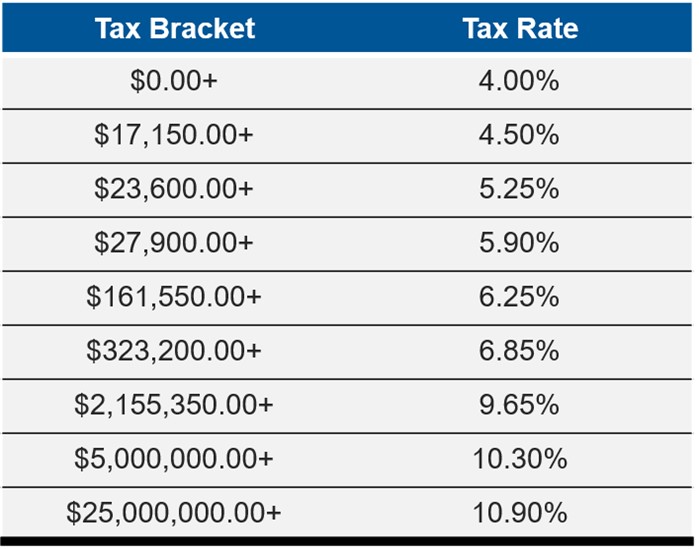
The Structure of New York State Income Tax
New York State utilizes a progressive income tax system, meaning that as your taxable income increases, the percentage of tax you pay also rises. The tax brackets are periodically adjusted, but generally, the rates for individual taxpayers range from 4% to 10.9%. This progressive scale is designed to ensure that those with higher earnings contribute a larger share to the state’s coffers, which fund public infrastructure, education, and social programs.
Understanding Tax Brackets and Thresholds
The brackets in New York are divided based on filing status, such as single filers, married couples filing jointly, and heads of households. For the highest earners, the state implements additional surcharges. While the base rates provide a clear baseline, these brackets can be influenced by legislative shifts in Albany. It is essential to consult current tax tables, as specific income thresholds shift slightly each year to account for inflation and economic policy updates.
Deductions and Credits
Like many states with high tax burdens, New York offers various deductions and credits that can mitigate the overall impact. Residents may benefit from itemized deductions that mirror federal guidelines in some instances, alongside specific state-level credits for education expenses, child care, and investments in local green energy initiatives. For those operating a business or maintaining a high-end lifestyle near Central Park, understanding how to leverage these credits is a hallmark of effective financial planning.
The Double-Taxation Reality: New York City Resident Tax
A factor that often catches newcomers by surprise is the supplemental income tax levied specifically on residents of the five boroughs. If you maintain a “permanent place of abode” within the city limits for more than 183 days, you are classified as a resident for tax purposes.

The Impact of City-Level Levies
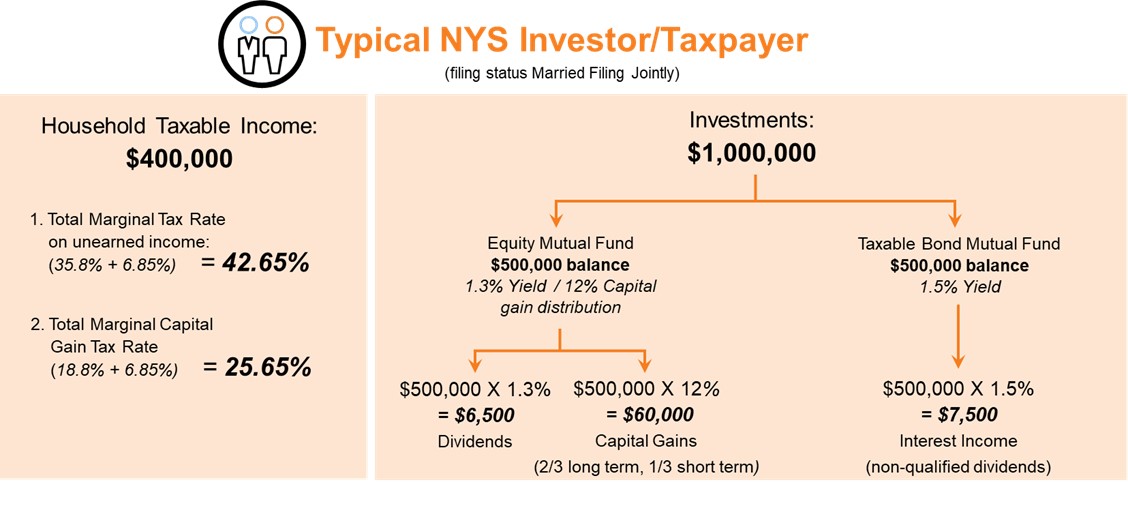
In addition to the state-level tax, New York City imposes a municipal income tax that ranges from approximately 3.078% to 3.876%. When combined with the state tax, high earners living in the city can face a significant marginal tax rate. This is a primary consideration for those weighing the benefits of luxury living in Manhattan versus settling in more suburban regions of Long Island or the Hudson Valley.
Residency Requirements
The determination of “residency” is strictly enforced. It is not enough to simply have an address; tax authorities look at your time spent in the state, where your primary social and business ties are located, and where you keep your most cherished personal possessions. For those splitting their time between New York and other tax-friendly jurisdictions like Florida or Texas, meticulous record-keeping is vital. Failing to prove your non-residency can result in a “statutory residency” audit, which may lead to unexpected tax bills for the entire year’s income.
Financial Planning for the High-End Professional
For individuals engaged in global business or those who frequently enjoy extended stays at premier destinations like The Plaza Hotel, the tax implications of New York residency are part of a broader lifestyle strategy.
Strategic Relocation Considerations
Many professionals evaluate whether the benefits of living in a global cultural capital like New York outweigh the fiscal costs. The accessibility to international finance, the arts, and elite networking opportunities often provides a return on investment that goes beyond a balance sheet. When budgeting for your stay, it is wise to factor in the “New York premium”—the combination of cost of living, state tax, and city tax.
Engaging Professional Tax Counsel
Given the complexity of the United States tax code, it is strongly advised to engage with a tax advisor who specializes in multi-state taxation. Whether you are moving from abroad or relocating from another state, a professional can help you structure your income to ensure compliance while maximizing potential benefits. They can assist in navigating:
- The “Statutory Residency” Test: Understanding the 183-day rule and how to track your days effectively.
- Income Sourcing: Identifying which portions of your income are subject to New York taxes based on where the work is performed.
- Tax Treaty Considerations: If you are an international resident, ensuring your home country’s tax treaty with the United States is correctly applied to avoid double taxation.
Long-Term Stays and Property Ownership
For those looking to purchase property, such as a luxury apartment overlooking Fifth Avenue, the state and local tax implications go beyond income. Property taxes in New York are significant and vary by county. While these are separate from income tax, they are a fundamental component of the total tax burden for residents. Integrating these costs into your long-term wealth management strategy allows you to enjoy the sophisticated lifestyle of New York without compromising your fiscal objectives.
Ultimately, while the income tax rates in New York are among the highest in the nation, they represent the cost of entry into one of the most vibrant, opportunity-rich environments in the world. Whether you are drawn by the neon lights of Times Square or the quiet prestige of the Hamptons, a clear understanding of your tax liabilities is the first step toward a successful residency. By staying informed and proactive, you can navigate the complexities of the system and focus on what truly matters: experiencing the very best that the Empire State has to offer.
LifeOutOfTheBox is a participant in the Amazon Services LLC Associates Program, an affiliate advertising program designed to provide a means for sites to earn advertising fees by advertising and linking to Amazon.com. Amazon, the Amazon logo, AmazonSupply, and the AmazonSupply logo are trademarks of Amazon.com, Inc. or its affiliates. As an Amazon Associate we earn affiliate commissions from qualifying purchases.