
For motorists traveling through New York, understanding local vehicle equipment regulations is a critical component of trip planning. Whether you are driving a personal vehicle through the bustling streets of New York City or embarking on a scenic road trip toward Niagara Falls, compliance with state window tinting laws is essential to avoid unwanted encounters with law enforcement. While automotive modifications are popular for aesthetic appeal and heat reduction, New York maintains strict standards that prioritize driver visibility and public safety.
Understanding New York State Window Tint Regulations
The legality of window tinting in New York State is governed by specific percentages known as Visible Light Transmission (VLT). This measurement refers to the amount of light that can pass through the window film and the glass combined.
Passenger Vehicle Standards
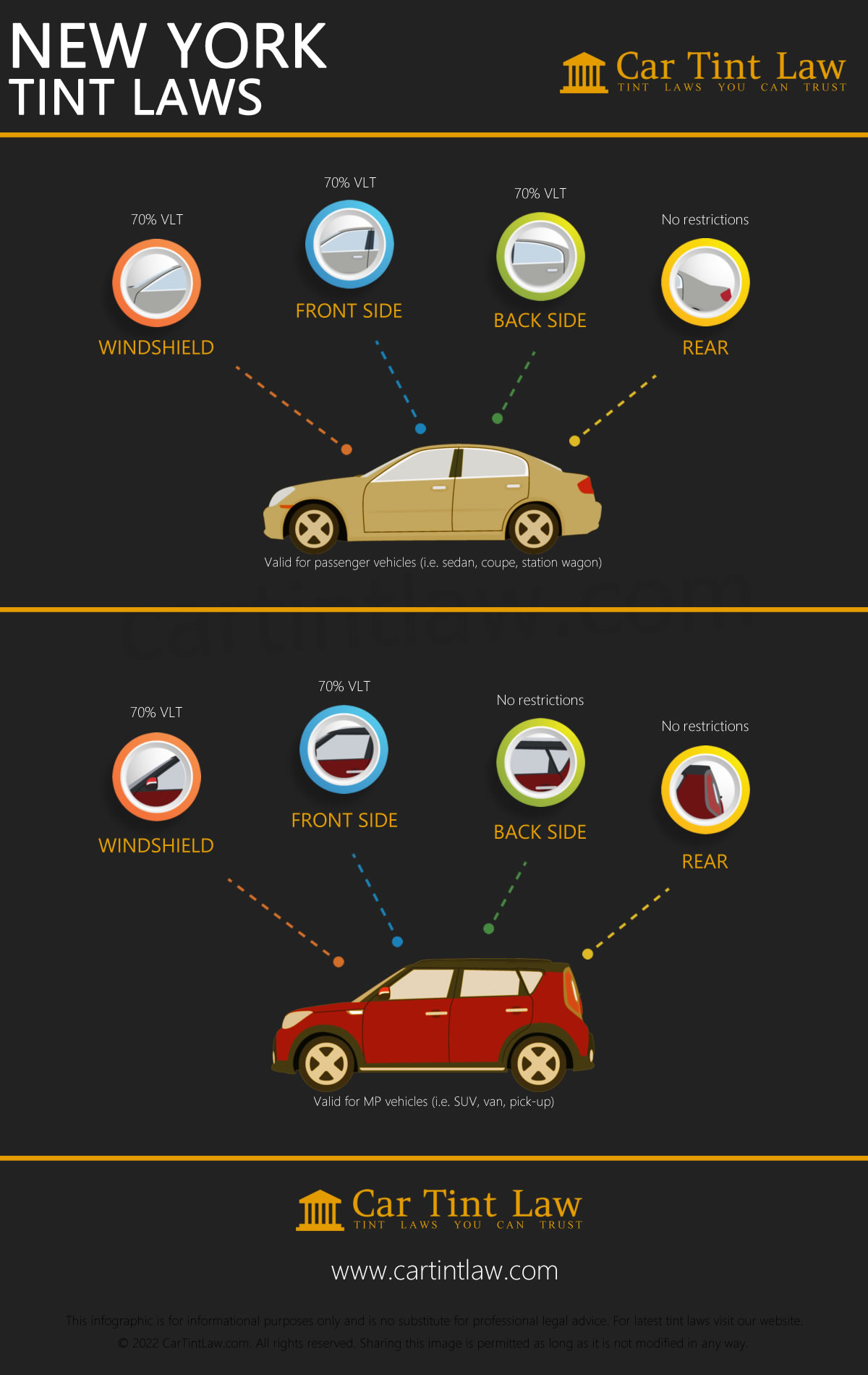
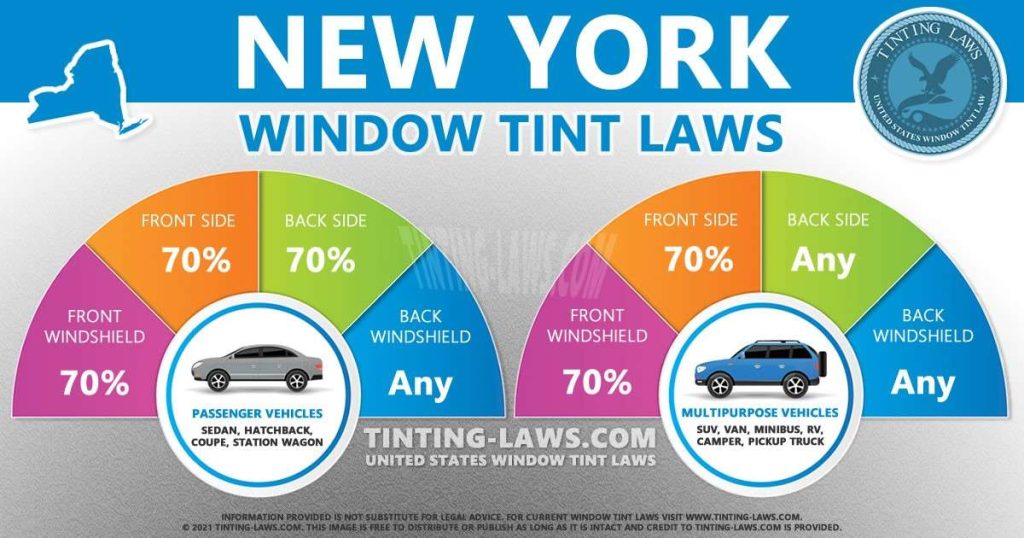
For sedans, coupes, and hatchbacks, the law is quite rigid. The front side windows, the rear side windows, and the rear window must all allow at least 70% of light to pass through. This means that if your vehicle leaves the factory with a standard light tint, even adding a thin layer of aftermarket film can potentially push the total VLT below the 70% threshold. It is important to note that New York does not allow for a “darker” rear window on passenger vehicles in the same way some other states do; the 70% rule is applicable to all windows behind the windshield.
SUV and Van Regulations
Many drivers assume that larger vehicles, such as SUVs or vans, are subject to different rules. In New York, the regulation for the front side windows remains the same as for passenger cars: they must allow at least 70% light transmission. However, there is more flexibility for windows behind the driver. The rear side windows and the rear windshield on these vehicles can have any level of tint darkness, provided that the vehicle is equipped with two side-view mirrors that provide the driver with a clear view of the road behind the vehicle.
The Importance of Safety and Enforcement
The stringent nature of tint laws in New York is rooted in the safety priorities of local authorities. For those navigating busy areas like Times Square or crowded thoroughfares in Brooklyn, visibility is paramount.
Why Restrictions Exist
The primary motivation behind these laws is the safety of law enforcement officers and the visibility of the driver in hazardous conditions. Dark tints can hinder an officer’s ability to assess a situation during a traffic stop, which remains a core concern for the New York State Police. Additionally, excessive tinting can significantly reduce visibility during inclement weather, such as the heavy snows often seen in Upstate New York or during dark, rainy nights in Manhattan.
Consequences of Non-Compliance
Driving with illegal tint in New York can lead to more than just a fine. Drivers found in violation are often issued a “fix-it” ticket, requiring them to remove the non-compliant film and provide proof of correction to the court. Persistent violations can lead to increased scrutiny during vehicle inspections. Since the 2017 update to the New York vehicle inspection program, technicians are required to test window tint levels using an approved light transmission testing device. If your vehicle fails this portion of the inspection, it will not receive the necessary certification to be driven legally on public roads.
Navigating Exceptions and Special Circumstances
While the 70% VLT rule is the standard, there are specific, albeit limited, exceptions recognized by state law. These are generally reserved for medical necessities rather than cosmetic preferences.
Medical Exemptions
Individuals who suffer from conditions that are exacerbated by sunlight—such as lupus or certain forms of photosensitivity—may be eligible for a medical exemption. To qualify, a resident must obtain documentation from a licensed physician or optometrist. This document must clearly state the nature of the condition and the necessity for protective window film. Even with a medical waiver, there are strict limits on how dark the film can be, and the exemption paperwork must be kept inside the vehicle at all times to be presented upon request during a traffic stop.
Out-of-State Vehicles
One of the most common questions from tourists visiting Long Island or traveling from neighboring regions is whether their out-of-state tint will cause issues. Generally, police officers exercise discretion regarding vehicles registered in other states. However, it is important to remember that if you move to New York and register your vehicle locally, you must immediately comply with the state’s tint laws. Visiting motorists are theoretically subject to all state traffic laws, so if your tint is extreme, it is always safer to exercise caution.
Best Practices for Tinting Your Vehicle
If you are planning to modify your vehicle, there are several steps you should take to ensure you stay within the bounds of the law while enjoying the benefits of quality window film.
Professional Installation
Always seek out a reputable professional installer who is familiar with New York regulations. A professional will often have a light meter on-site to test your glass before and after the film is applied. Do not rely solely on the manufacturer’s labels on the film roll, as these often refer to the film’s transparency in isolation, not the combined VLT of the glass and film.
High-Quality Materials
Beyond legality, the quality of the film matters. Ceramic tint is a popular choice for those looking to block heat and ultraviolet rays without necessarily needing to go extremely dark. High-quality ceramic films can provide excellent heat rejection while remaining within the 70% VLT requirement, allowing you to stay cool while driving through the Catskill Mountains or exploring the Adirondack Park without the fear of a traffic citation.

Know Your VLT
Before purchasing any tinting services, request a VLT test. Most modern factory glass already comes with a slight tint from the manufacturer, typically around 75% to 80%. When you add a film that is rated at 70% to that glass, the combined result will almost certainly fall below the legal limit. Always factor in the existing glass tint to ensure your final modification remains compliant with the strict standards upheld in New York.
By keeping these guidelines in mind, you can enjoy your time on the road, whether you are commuting in Queens or taking a relaxing tour through the Hudson Valley, with the peace of mind that your vehicle is fully compliant with state regulations. Always prioritize safety and visibility, as these are the pillars upon which New York traffic laws are built.
LifeOutOfTheBox is a participant in the Amazon Services LLC Associates Program, an affiliate advertising program designed to provide a means for sites to earn advertising fees by advertising and linking to Amazon.com. Amazon, the Amazon logo, AmazonSupply, and the AmazonSupply logo are trademarks of Amazon.com, Inc. or its affiliates. As an Amazon Associate we earn affiliate commissions from qualifying purchases.