
When planning a trip to New York City, many travelers focus primarily on the costs of flights, theater tickets, and dining at world-class establishments. However, a crucial component of your travel budget is the local tax structure. Understanding how sales tax functions in the “Big Apple” is essential for avoiding sticker shock at the register. Whether you are shopping on Fifth Avenue or grabbing a bite in Manhattan, being informed ensures your finances remain as structured as your itinerary.
The Breakdown of the NYC Sales Tax Rate
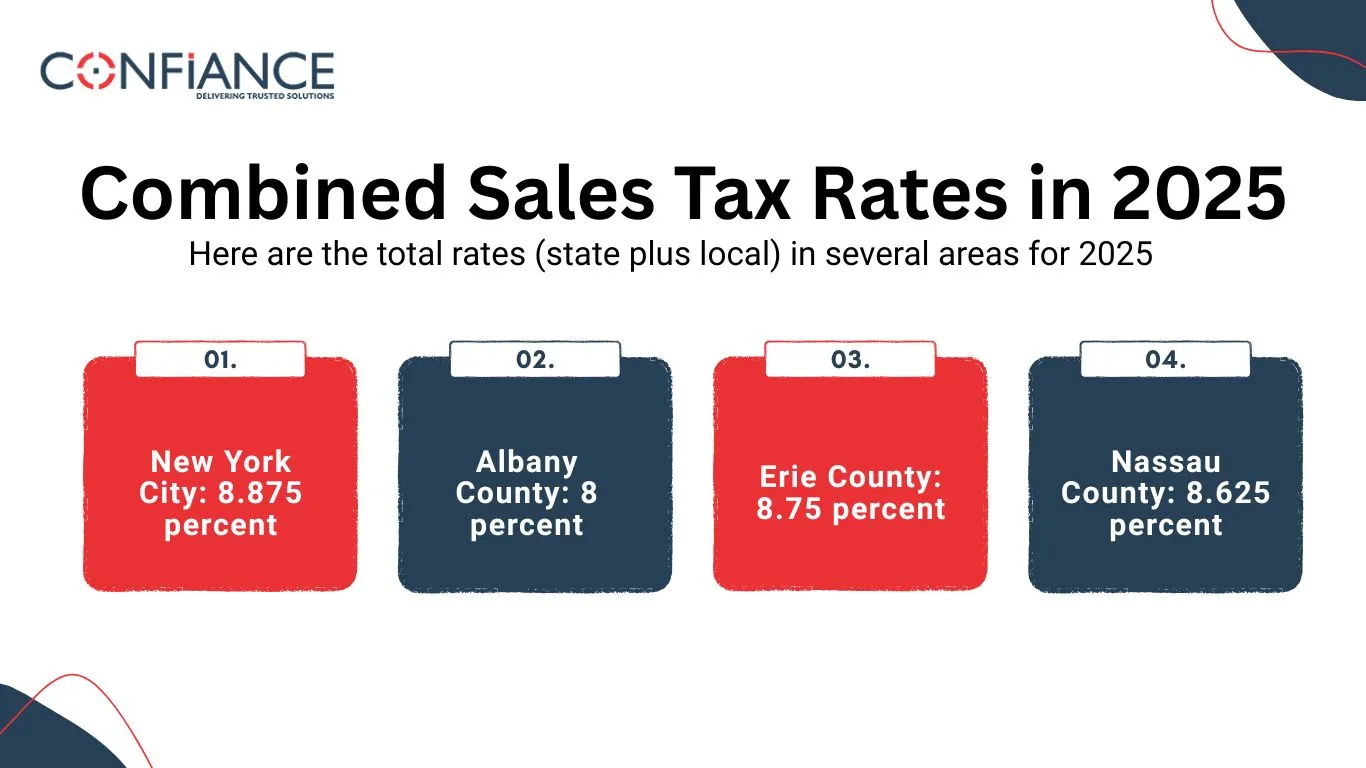
The total sales tax rate in New York City is currently 8.875%. This figure is not a single tax levy but rather a combination of various state and local jurisdictions. When you make a purchase, you are essentially paying three distinct layers of taxation that accumulate to reach this final percentage.
The Composition of the Tax
The 8.875% rate is calculated as follows:
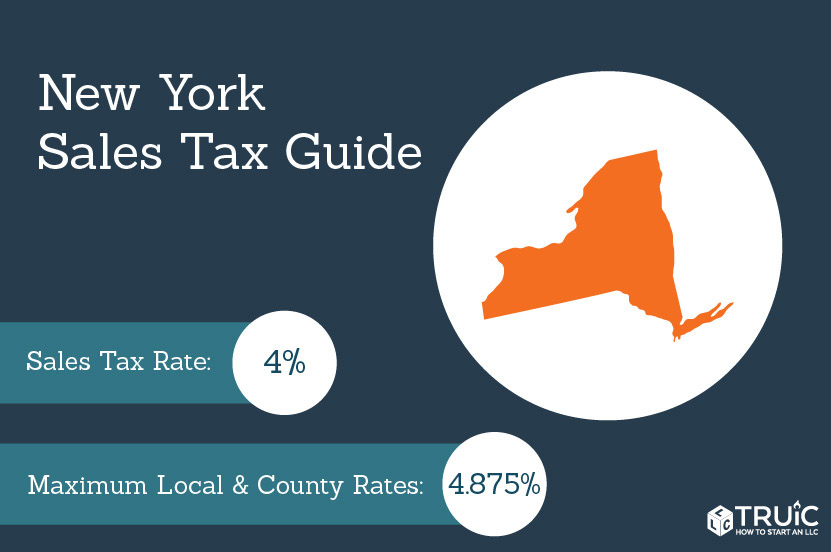
- New York State Sales Tax: 4%
- New York City Local Sales Tax: 4.5%
- Metropolitan Commuter Transportation District (MCTD) Tax: 0.375%
Because these taxes are calculated at the point of sale, you will see this 8.875% rate applied to the vast majority of tangible personal property and certain services. It is important to remember that this tax is applied in addition to the price listed on the tag. If you are browsing items in a boutique near Central Park, the price you see on the shelf is the pre-tax price.
Why This Matters for Your Budget
For international or domestic travelers, this tax is non-negotiable. Unlike some countries where sales tax (or VAT) is already included in the displayed price, New York City prices are exclusive of tax. If you purchase an item for $100, you will be charged $108.87 at the checkout. Planning for this extra 8.875% helps maintain a realistic daily spending limit throughout your stay.
Exemptions and Exceptions to the Rule
Not every dollar you spend in New York City is subject to the standard 8.875% tax. The state has implemented specific exemptions that can benefit tourists, particularly regarding clothing and essential supplies.
The Clothing Exemption
One of the most significant perks for shoppers in New York City is the exemption for clothing and footwear. Items of clothing and footwear costing less than $110 per item are exempt from the 4% New York State sales tax.
However, there is a nuance: New York City does not provide a local exemption for these items. While you might save the state portion, the local and commuter district taxes still apply. This keeps the effective tax rate on lower-priced clothing significantly lower than on general merchandise, making it a budget-friendly city for fashion enthusiasts visiting hubs like SoHo.
Essential Grocery Items
If you are staying in an apartment rental or a suite with a kitchenette and choose to shop at a local grocery store, you will find that most “staple” food items are exempt from sales tax. This includes common grocery items like produce, dairy, bread, and pantry staples. However, prepared foods—such as a sandwich from a deli, a hot meal from a buffet, or a coffee from a cafe—are generally considered taxable services. Whether you are grabbing a quick snack near Times Square or buying ingredients for a home-cooked meal, distinguishing between grocery staples and prepared food is a great way to manage your expenses.
Navigating Taxes on Tourism Services
Beyond retail, travelers must be aware of how taxes impact tourism-related services, specifically lodging and dining.
Hotel Occupancy Tax
Lodging is perhaps the largest expenditure for most travelers. While the 8.875% sales tax applies to many aspects of your stay, hotels are also subject to additional “Occupancy Taxes.” In New York City, hotel guests pay the standard state and local sales tax, plus a specific hotel room occupancy tax and an additional fee based on the nightly rate of the room.
If you are booking a stay at a luxury property like the The Plaza Hotel or a modern boutique hotel in Brooklyn, ensure you check the “taxes and fees” breakdown before confirming. The combined taxes on hotel rooms can often add a significant percentage to the base nightly rate, which is why transparent booking platforms are vital.
Dining and Entertainment
Dining out is a quintessential part of the New York City experience. As mentioned previously, prepared food is fully taxable. This includes the tax on the bill at your favorite restaurant in Little Italy or Chinatown.
When it comes to entertainment, such as tickets for a Broadway show or admission to museums like the Metropolitan Museum of Art, tax policies can vary. Admission to many museums and arts organizations may be subject to sales tax unless the organization qualifies for a specific non-profit exemption. Always assume tax is an additional cost when calculating your final entertainment budget, and keep an eye out for “tax-inclusive” pricing on official venue websites, though this is rare.
Practical Tips for the Savvy Traveler
To navigate the fiscal landscape of New York City effectively, consider these three practical strategies.
- Factor Tax into Your Daily Per Diem: If you are planning a daily budget for meals and shopping, simply multiply your expected spending by 1.08875. This quick mental math will give you a much more accurate picture of how much cash or credit you actually need.
- Use Mobile Banking for Tracking: When shopping in shopping districts like Herald Square, use your banking app to track “pending” transactions. Because you are paying the base price plus tax, you might notice your actual expenditure is slightly higher than the price tags suggested. Real-time tracking keeps your travel budget from ballooning unexpectedly.
- Check for “Tax-Free” Promotions: Occasionally, retailers may run promotions where they “pay the tax for you.” While this is more common during back-to-school seasons, keep an eye out for store-wide sales that effectively offset the cost of the sales tax, providing better value on your purchases.
By understanding the 8.875% tax rate and recognizing which items—like groceries and affordable clothing—offer relief, you can travel through New York City with confidence. Whether you are exploring the Statue of Liberty or enjoying the vibrant nightlife of Greenwich Village, knowing where your money is going allows you to focus on the sights, sounds, and flavors of one of the world’s most dynamic cities.
LifeOutOfTheBox is a participant in the Amazon Services LLC Associates Program, an affiliate advertising program designed to provide a means for sites to earn advertising fees by advertising and linking to Amazon.com. Amazon, the Amazon logo, AmazonSupply, and the AmazonSupply logo are trademarks of Amazon.com, Inc. or its affiliates. As an Amazon Associate we earn affiliate commissions from qualifying purchases.