
When planning a journey to New York City, understanding the current atmospheric conditions is essential for curating the perfect itinerary. The “Big Apple” is a sprawling urban landscape where the weather plays a decisive role in how you experience the city’s vast array of parks, plazas, and outdoor attractions. Whether you are prepping for a stroll through Central Park or planning to scale the heights of the Empire State Building, the temperature dictates everything from your wardrobe to your dining choices.
Understanding the Seasonal Microclimates of the Metropolis
New York City is defined by a humid continental climate, meaning it experiences four distinct seasons, each offering a unique perspective on the urban grid. The temperature in the city is often influenced by its proximity to the Atlantic Ocean, which acts as a thermal regulator, though the dense concrete and steel of Manhattan frequently create an “urban heat island” effect.
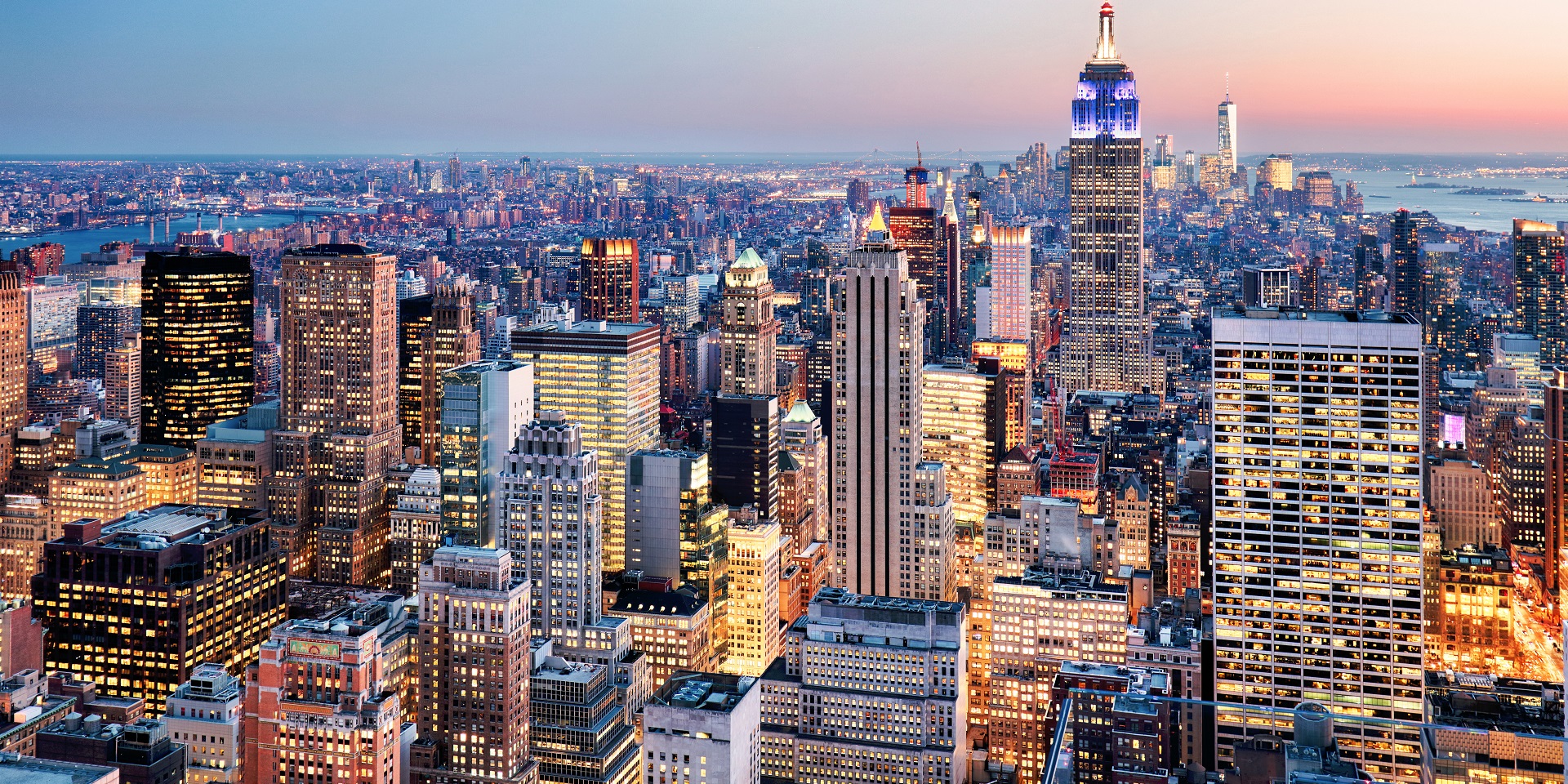
Springtime Transitions
During the spring, temperatures in New York City undergo a volatile transition. You might experience a crisp, cool morning followed by a pleasantly warm afternoon. This is the optimal time to walk the Brooklyn Bridge, as the mild air provides a refreshing breeze off the East River. Travelers should anticipate shifting mercury levels, often requiring layers to remain comfortable as you transition from the chilly subterranean tunnels of the Subway to the sun-drenched avenues of Midtown.
The Heat of the Summer
Summer in New York City is notorious for its humidity and high temperatures. When the mercury climbs, the city transforms into a vibrant, high-energy environment. Locals often flee to Coney Island for relief, while tourists flock to air-conditioned havens like the Metropolitan Museum of Art. If you are visiting during July or August, be mindful of the “heat index,” which can make the air feel significantly warmer than the ambient temperature reading suggests.
How Weather Impacts Your Sightseeing Strategy
The current temperature in New York City is the primary variable that determines whether you should dedicate your day to indoor culture or outdoor exploration. Navigating the city effectively requires a flexible mindset.
Outdoor Landmarks and Thermal Comfort
If the temperature is moderate, there is no better way to spend your time than traversing the High Line. This elevated park offers a unique vantage point of the city’s architecture. However, if the thermometer indicates extreme heat or deep-freeze conditions, you might want to pivot your plans toward the climate-controlled interiors of Grand Central Terminal or the Museum of Modern Art.

Planning Around Temperature Extremes
It is vital to check the local forecast before heading out for the day. In the autumn, temperatures in New York City can drop precipitously once the sun dips behind the Skyscrapers. If you are planning an evening visit to Times Square, having a coat on hand is usually a wise decision, even if the daytime high seemed temperate. Similarly, winter visitors must be prepared for wind chill factors that can make a ten-minute walk feel like an Arctic expedition.
Packing for the New York Climate
One of the most common mistakes travelers make when visiting New York City is overpacking or failing to account for the city’s specific micro-climates. Because you will likely be doing a significant amount of walking, your gear needs to be both functional and versatile.
Layering: The Traveler’s Best Friend
Regardless of the current temperature, the key to surviving a day out in New York City is layering. Even in the middle of winter, indoor spaces—from shops in SoHo to restaurants in the West Village—are heavily heated. Having a base layer that you can easily remove or add back on will save you from sweating in the Museum of Natural History or shivering on the Staten Island Ferry.
Footwear and External Conditions
Temperature also affects how your feet handle the pavement. In the heat of mid-summer, the city’s asphalt can become stifling, making breathable footwear essential. In the winter, the dampness caused by melting snow or rain—which frequently hits New York City—requires waterproof boots. Do not let the temperature mislead you; even if it feels “warm enough” for light shoes, the constant movement across the concrete demands support and protection from the elements.
Navigating Seasonal Transitions
New York City experiences its most dramatic changes during the shoulder seasons. April and October are widely considered the most comfortable months, where the temperature rarely reaches extremes. This is the perfect time to explore neighborhoods like Greenwich Village or Chelsea without the need for excessive sun protection or heavy insulation.
The Role of Technology in Planning
In the digital age, you are never without the data you need to make informed decisions. Before leaving your hotel, check the hourly breakdown of the temperature. A five-degree variance might seem negligible, but in New York City, it often represents the difference between a pleasant afternoon on a rooftop bar in Williamsburg and a frantic search for shelter from the rain or unexpected cold.

A Note on Urban Microclimates
Remember that the temperature in Central Park is often several degrees cooler than the temperature in the dense commercial districts of Wall Street. The abundance of vegetation and open space creates a natural cooling effect, while the high-density glass and steel of the Financial District can trap heat and create wind tunnels. Always account for where you are going when checking the forecast, as your specific destination may feel significantly different from the general weather report for the five boroughs.
By staying aware of the temperature and how it interacts with the unique geography of New York City, you ensure that your trip remains comfortable, productive, and memorable. Whether you are chasing the spring blossoms in Brooklyn Botanic Garden or viewing the city lights from the Rockefeller Center, success lies in preparation. Stay informed, dress appropriately for the shifting conditions, and you will find that the weather is merely the backdrop to an unforgettable urban adventure.
LifeOutOfTheBox is a participant in the Amazon Services LLC Associates Program, an affiliate advertising program designed to provide a means for sites to earn advertising fees by advertising and linking to Amazon.com. Amazon, the Amazon logo, AmazonSupply, and the AmazonSupply logo are trademarks of Amazon.com, Inc. or its affiliates. As an Amazon Associate we earn affiliate commissions from qualifying purchases.