
The New York strip steak is perhaps the most iconic centerpiece of the American culinary experience. Often found on the menus of legendary steakhouses from New York City to Chicago, this cut is revered for its balance of tenderness and robust, beefy flavor. For travelers and food enthusiasts exploring the gastronomy of the United States, understanding the origin of this steak is essential to appreciating why it remains a permanent fixture in the nation’s restaurant culture.
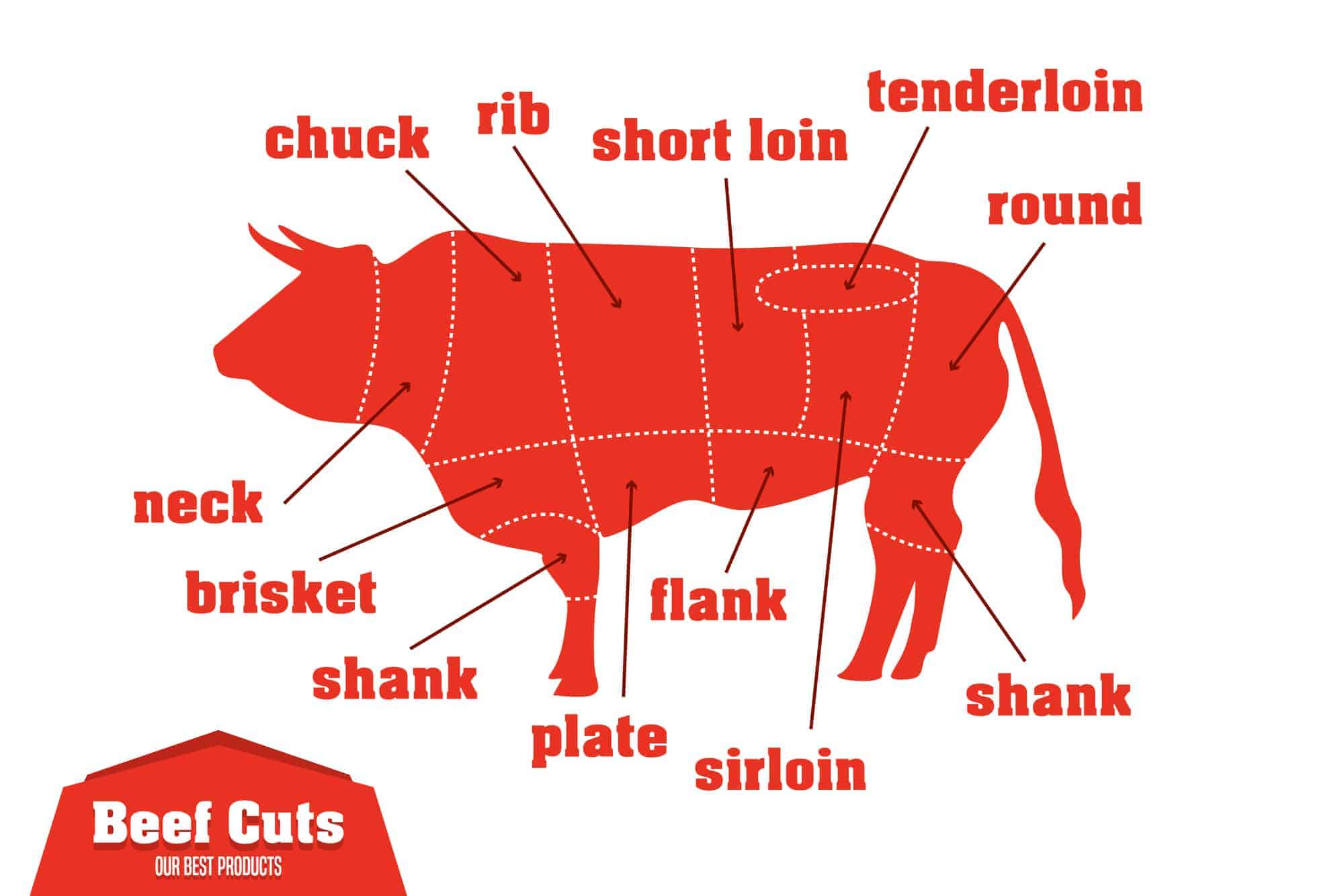
Anatomical Origins: The Short Loin
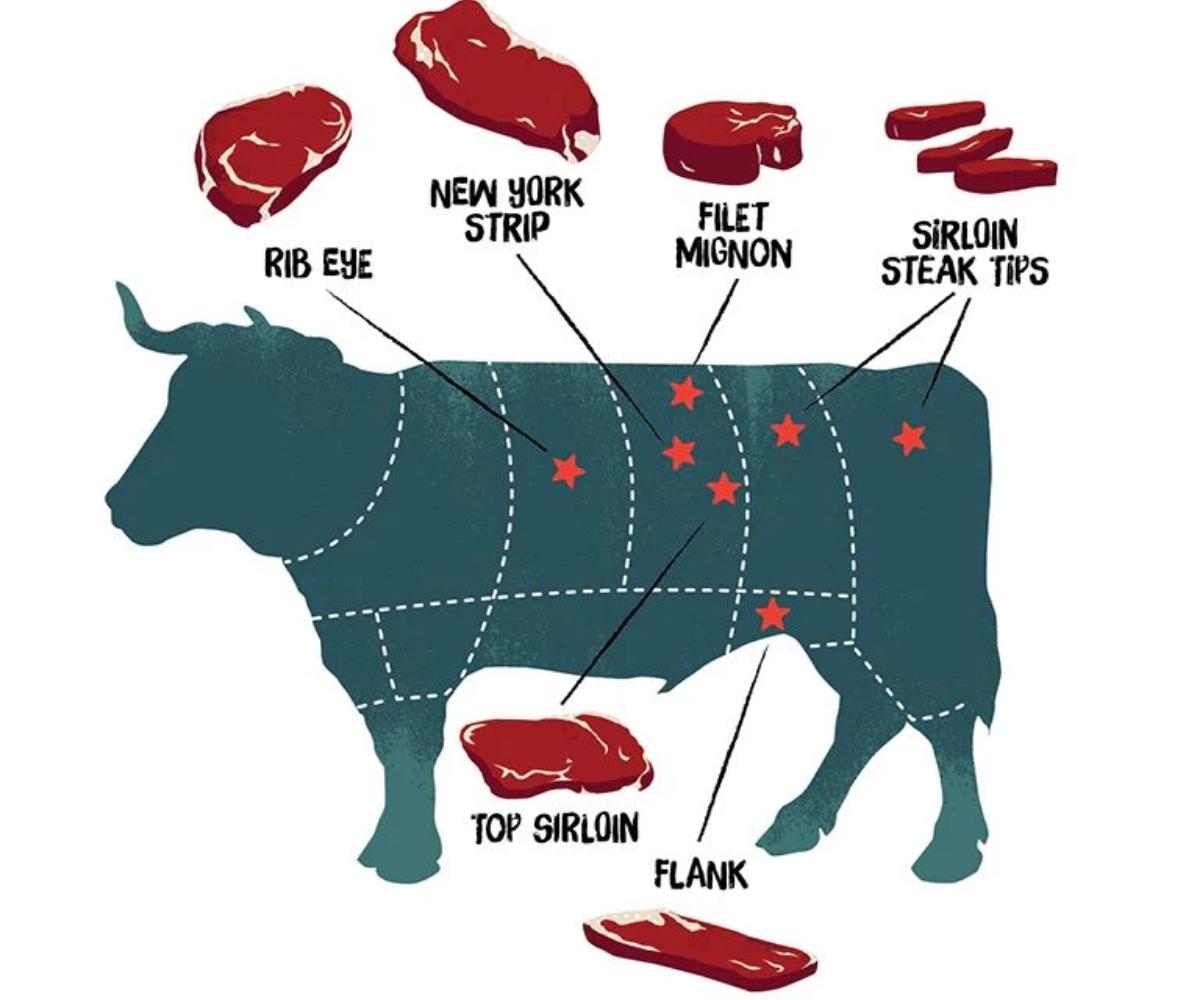
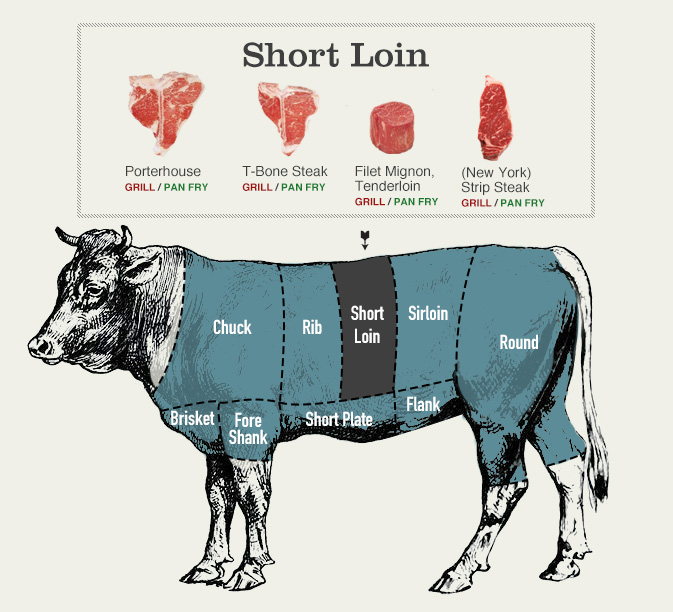
To identify exactly where the New York strip comes from, one must look at the middle section of the cow, specifically the sub-primal cut known as the “short loin.” The short loin is situated behind the ribs and above the tenderloin, spanning the area between the 13th rib and the hip bone. Because this muscle does very little work throughout the animal’s life—unlike the legs or the shoulder—it remains exceptionally tender.
The Anatomy of the Muscle
The New York strip is derived from the longissimus dorsi muscle. This is the same muscle that extends into the ribeye, but because the short loin is positioned further back, the fat content is different. While a ribeye is characterized by significant marbling and a large, fatty cap, the New York strip is leaner, offering a firmer texture that appeals to those who prefer a meatier bite.
Separation from the Tenderloin
When a butcher processes the short loin, they often leave the bone in to create a Porterhouse or T-bone steak. In these cuts, the New York strip resides on one side of the bone, while the tenderloin (filet mignon) resides on the other. A “New York strip” is essentially what happens when the butcher removes the bone and the tenderloin, leaving only that signature piece of loin. It is a testament to the precision of traditional butchery, a craft that has been refined over centuries in major culinary hubs like Paris or Buenos Aires, yet perfected into the iconic form we recognize today in the American dining scene.
The Cultural Significance of the Cut
The naming of the New York strip is deeply tied to the history of the restaurant industry in the Northeast. While the cut has been enjoyed under various names—such as the “club steak,” “shell steak,” or “strip loin”—the association with the “Big Apple” solidified its status as a premium product.
The Birth of the Steakhouse
In the mid-19th century, Delmonico’s in Manhattan popularized what was then called the “Delmonico steak.” While the original Delmonico cut was slightly ambiguous, the strip became the de facto standard for the restaurant’s signature offering. As tourists flocked to New York, the dish became synonymous with the city’s sophisticated, high-energy dining culture. It represented the affluence and ambition of the era, becoming a staple order for business travelers and international visitors alike.
Global Culinary Influence
Today, you will find the New York strip appearing on menus in major global cities. Whether you are dining at a high-end restaurant in London or visiting a luxury resort in Dubai, the New York strip serves as a universal benchmark for quality. Chefs often prefer this cut because its consistent shape makes it ideal for searing, ensuring an even crust and a perfect medium-rare center. It is a cornerstone of the modern tourism experience; when travelers visit an iconic city, they are often seeking out a meal that feels authentically representative of that destination, and for the United States, that meal is almost always the New York strip.
Selecting and Preparing the Perfect Strip
For the home cook or the curious traveler wanting to recreate a steakhouse experience, selecting the right cut is as important as the cooking method itself. Understanding the cow’s anatomy allows you to make informed decisions at the butcher counter.
What to Look For
When choosing a New York strip, look for the following indicators of quality:
- Marbling: Tiny flecks of intramuscular fat are essential. This fat melts during the cooking process, basting the meat from the inside out and providing the signature flavor associated with high-quality beef.
- Color: The meat should be a vibrant, deep cherry red. Avoid anything that looks dull or grey, as this indicates improper aging or freshness.
- The Fat Cap: A thin, uniform layer of white fat along one side of the steak is desirable. This layer provides a protective barrier during the searing process and renders down into a delicious, salty crunch if rendered properly.
The Art of the Sear
Because the New York strip is relatively uniform in thickness, it is one of the easiest steaks to master. A heavy cast-iron skillet is the traditional tool of choice. The goal is to achieve a deep, dark brown crust—the result of the Maillard reaction—while maintaining the integrity of the center.
- Preparation: Bring the steak to room temperature at least 30 minutes before cooking. Pat the surface completely dry; moisture is the enemy of a good sear.
- Seasoning: A generous coating of kosher salt and cracked black pepper is usually sufficient to highlight the inherent quality of the meat.
- The Technique: Heat the skillet until it is smoking hot. Add a high-smoke-point oil. Sear the steak for three to four minutes per side, ensuring you render the fat cap by holding the steak upright with tongs if necessary.
- The Rest: This is the most crucial step often overlooked by amateur cooks. Let the steak rest for at least 10 minutes on a warm plate. This allows the muscle fibers to relax and the juices to redistribute, ensuring that every bite remains succulent.
Why the New York Strip Remains King
There are many cuts of beef available to the modern consumer, from the buttery, soft filet mignon to the flavor-packed ribeye. However, the New York strip occupies the “sweet spot” of the cow. It provides enough fat to be flavorful, enough texture to be satisfying, and a refined appearance that elevates any dining occasion.
From its humble beginnings in the butcher shops of New England to its current status as a global culinary icon, the New York strip is more than just a piece of beef. It is a bridge between the agricultural traditions of the Midwest and the sophisticated culinary stages of the world’s most vibrant cities. For the traveler or the foodie, knowing that this steak comes from the short loin—a tender, hardworking section of the animal—adds a layer of appreciation to every slice. Whether you enjoy it in a historic tavern in Boston or a modern bistro in Tokyo, you are participating in a tradition that celebrates the very best of butchery and cooking. It is a dish that defines the standard for what a steak should be, proving that sometimes, the simplest cuts of meat, when sourced and prepared correctly, offer the most profound experiences.
LifeOutOfTheBox is a participant in the Amazon Services LLC Associates Program, an affiliate advertising program designed to provide a means for sites to earn advertising fees by advertising and linking to Amazon.com. Amazon, the Amazon logo, AmazonSupply, and the AmazonSupply logo are trademarks of Amazon.com, Inc. or its affiliates. As an Amazon Associate we earn affiliate commissions from qualifying purchases.