
To understand the vibrant, kaleidoscopic soul of New York City, one must peel back the layers of its diverse demographics. Among the most influential and historically significant of these groups is the Jewish community. For centuries, the presence of Jewish individuals and families has shaped the very fabric of the city, from its culinary landmarks to its intellectual pursuits and political life. When travelers and curious residents ask about the percentage of the population that identifies as Jewish, they are really asking about how a specific cultural heritage has woven itself into the narrative of one of the world’s most iconic United States metropolises.
Demographics and Geographic Distribution
Estimating the Jewish population of New York City is a complex task that relies on sociological studies rather than a single census figure, as the official United States Census does not inquire about religious affiliation. However, data provided by the UJA-Federation of New York offers a comprehensive view.
The Statistical Reality
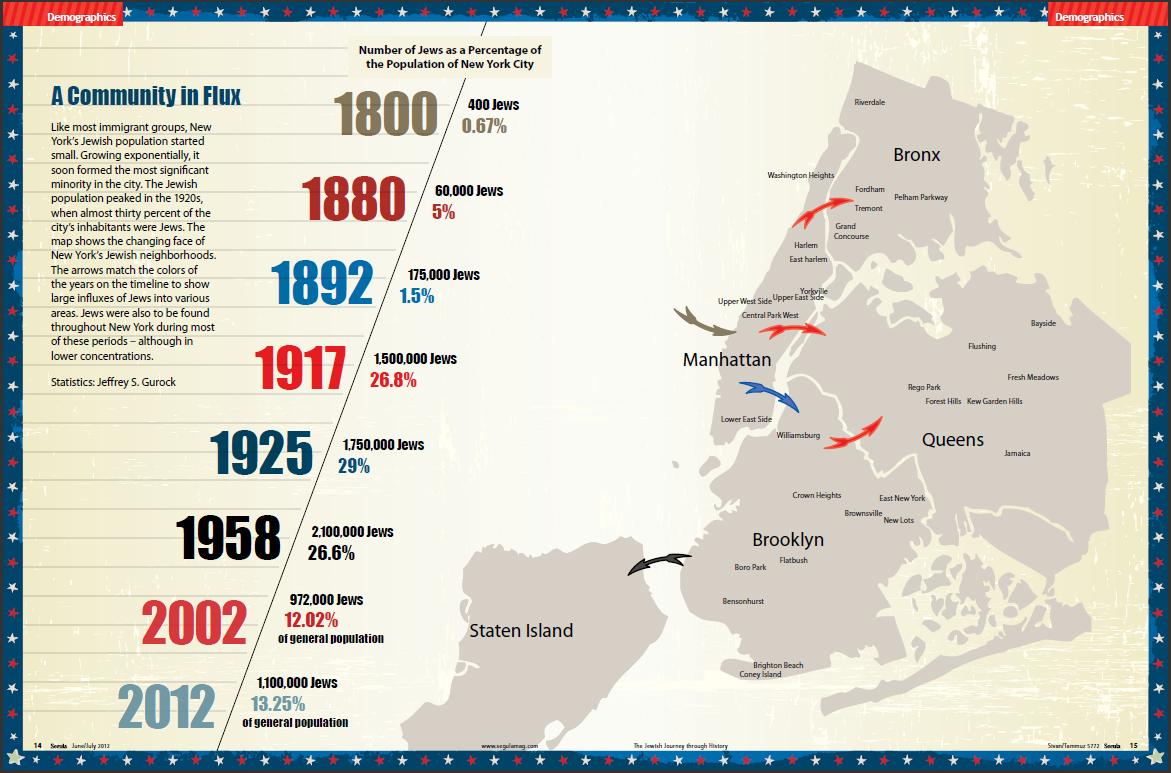
Current estimates suggest that approximately 1.1 million Jewish individuals reside within the five boroughs of New York City. When compared to the total population of over 8 million, this translates to roughly 12% to 14% of the city’s populace. This figure makes New York City home to the largest Jewish population outside of Israel. It is a staggering statistic that highlights how, despite being a global hub of every conceivable culture, the city remains a primary epicenter for Jewish life in the diaspora.
Borough Breakdown
The distribution of this population is not uniform. While every borough hosts Jewish communities, the concentration is noticeably higher in specific areas.
- Brooklyn: Historically and currently, Brooklyn holds the largest concentration, particularly in neighborhoods like Borough Park, Williamsburg, and Midwood. These areas are home to deeply traditional and Hasidic communities, creating a cultural landscape that feels entirely unique within the urban environment.
- Manhattan: On the Upper West Side and Upper East Side, the Jewish demographic is often more secular or modern-orthodox, contributing significantly to the city’s arts, media, and academic institutions.
- Queens: Neighborhoods such as Kew Gardens and Forest Hills maintain strong, vibrant Jewish populations, often characterized by diverse backgrounds ranging from Bukharian to Ashkenazi roots.
The Influence on New York City Culture and Food
Beyond the raw percentages, the Jewish contribution to the local culture of New York is profound. It is impossible to walk through a neighborhood in Manhattan or Brooklyn without encountering the legacy of this community, particularly in the realm of gastronomy.
Culinary Landmarks
The “Jewish Deli” is perhaps one of the most recognizable cultural exports of the city. Iconic establishments like Katz’s Delicatessen on the Lower East Side serve as living museums. These venues are not merely places to eat; they are culinary landmarks that define the immigrant experience. The bagel, the pastrami sandwich, and the matzo ball soup are quintessential New York staples that have transitioned from ethnic specialties to universal city favorites.
The Arts and Intellectual Life
The intellectual and artistic imprint of the Jewish community is visible throughout the city’s museums and theaters. From the founding of Broadway’s most influential production houses to the establishment of major cultural institutions, the Jewish influence is pervasive. The 92nd Street Y in Yorkville serves as a premier venue for global thinkers, writers, and artists, reflecting the community’s historical commitment to education and the exchange of ideas.
Historic Landmarks and Synagogues
For the visitor looking to connect with history, New York City offers a wealth of sites that illustrate the growth of the Jewish population over the last two centuries. These architectural wonders provide a window into the evolution of the city itself.
Architectural Heritage
The Eldridge Street Synagogue, located in the heart of the Lower East Side, is a stunning example of Moorish Revival architecture. It stands as a testament to the early waves of Eastern European Jewish immigration in the late 19th century. Today, it operates as a museum, welcoming visitors from all walks of life to learn about the history of the neighborhood and the struggle and success of the families who worshipped there.
The Lower East Side Tenement Museum
While not exclusively Jewish, the Tenement Museum provides invaluable context regarding the living conditions of 19th and early 20th-century Jewish immigrants. Walking through these preserved apartments allows tourists to understand the crowded, bustling reality of the neighborhood where so many families began their American journeys. It is a vital stop for anyone interested in the social history of North America.
Tourism and Cultural Engagement
New York City remains one of the most popular destinations for travelers interested in Jewish heritage. Whether you are participating in a guided walking tour through the historic streets of the Lower East Side or visiting the Museum of Jewish Heritage in Battery Park, the experience is both educational and deeply moving.
Engaging with Modern Jewish Life
Today, the Jewish experience in the city is a blend of the old and the new. Travelers can find traditional experiences in the quiet, orthodox neighborhoods of Brooklyn, while also enjoying the modern, pluralistic Jewish life in the heart of Chelsea or Greenwich Village. Cultural festivals, art galleries showcasing Israeli talent, and bookstores that focus on Jewish literature are found throughout the city.

A Community in Flux
While the percentage of the Jewish population in New York City has shifted slightly due to migration patterns and demographic changes, the community’s footprint remains immutable. The city is defined by its ability to absorb, transform, and celebrate its diverse populations, and the Jewish community is a cornerstone of that identity. Whether you are visiting a historic synagogue, enjoying a traditional meal, or exploring the cultural neighborhoods that define the local experience, the influence of the Jewish population is an essential part of the New York City story.
By understanding the scope and depth of this history, the visitor gains more than just a demographic figure; they gain a lens through which to view the layers of struggle, triumph, and cultural contribution that make New York City the vibrant, unparalleled destination it is today.
LifeOutOfTheBox is a participant in the Amazon Services LLC Associates Program, an affiliate advertising program designed to provide a means for sites to earn advertising fees by advertising and linking to Amazon.com. Amazon, the Amazon logo, AmazonSupply, and the AmazonSupply logo are trademarks of Amazon.com, Inc. or its affiliates. As an Amazon Associate we earn affiliate commissions from qualifying purchases.