
Understanding the demographic landscape of New York is essential for anyone planning to navigate the complexities of this global metropolis. As one of the most densely populated and culturally diverse urban environments on the planet, New York City serves as a focal point for millions of residents and tourists alike. To grasp the pulse of this city, one must look beyond mere digits and explore the intricate tapestry of its five boroughs: Manhattan, Brooklyn, Queens, the Bronx, and Staten Island.
The Demographic Landscape and Its Implications
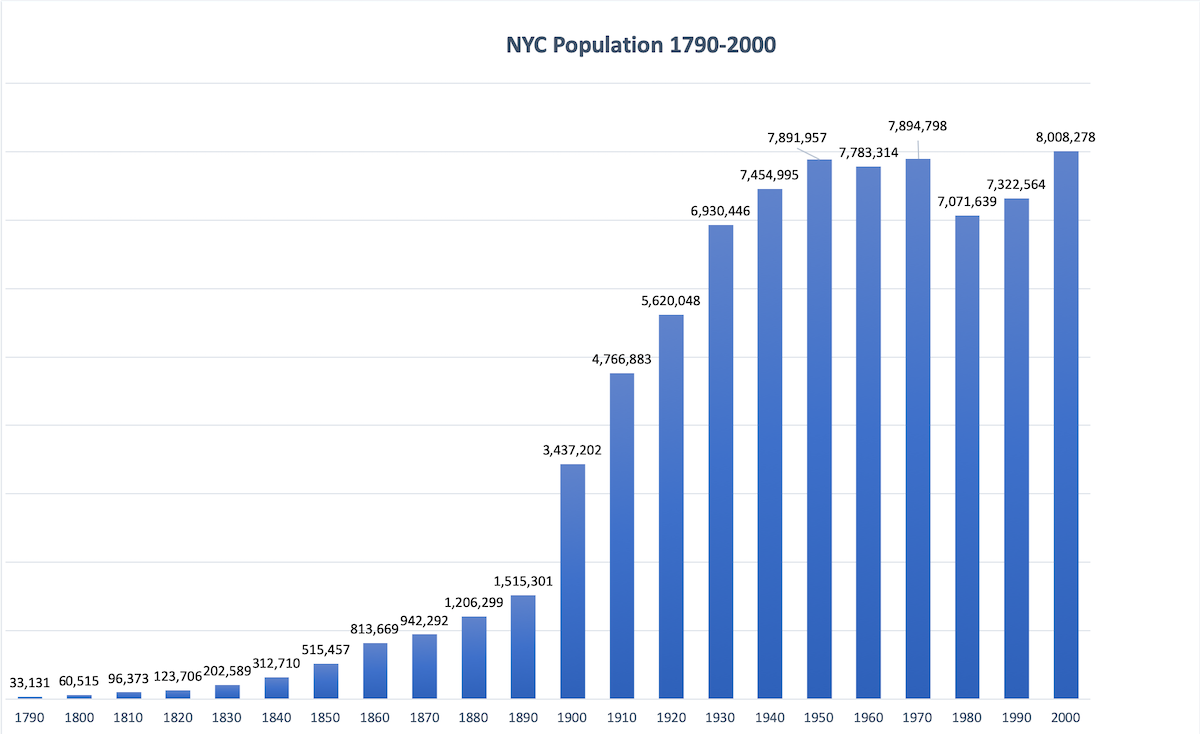
The population of New York City currently fluctuates at approximately 8.3 to 8.5 million residents within the city limits. However, when considering the larger New York Metropolitan Area, that number swells to nearly 20 million people. This massive concentration of humanity defines the city’s character, creating a vibrant, high-energy environment that remains unmatched by any other city in the United States.

How Density Shapes the Urban Experience
For the traveler or the casual observer, population density is not just a statistic; it is a lived experience. It dictates the rhythm of the subways, the demand for table space at the finest eateries, and the sheer volume of activity on the sidewalks of Times Square. The high concentration of people is exactly what makes the city feel “alive.” It supports a 24-hour economy where public transit, dining, and entertainment venues like Broadway can thrive regardless of the hour.
The Melting Pot: Diversity in Numbers
The population of New York is characterized by its extraordinary ethnic and linguistic diversity. With hundreds of languages spoken and a significant percentage of the population born outside of the United States, the city serves as a global hub of cultural exchange. From the historic enclaves of Chinatown to the vibrant neighborhoods of Little Italy, the sheer volume of distinct cultural contributions creates a unique destination where travelers can experience the world without leaving the five boroughs.
Regional Variations Across the Five Boroughs
While the city as a whole boasts a massive population, the character and density of that population shift dramatically depending on the borough. Understanding these differences helps in navigating the city effectively.
The Urban Core: Manhattan
Manhattan remains the most iconic and densely populated borough. As the center of commerce and tourism, the residential population is supplemented daily by millions of commuters. This results in an urban density that defines the architectural skyline, featuring famous landmarks like the Empire State Building and the lush, sprawling Central Park.
Residential Hubs: Brooklyn and Queens
Brooklyn and Queens have seen significant growth in recent years. These boroughs offer a different perspective, characterized by distinct neighborhood identities, from the trendy streets of Williamsburg to the quiet, residential charm of Forest Hills. The population in these areas tends to be more settled, offering a window into the daily lives of everyday New Yorkers.

The Residential Outer Boroughs
The Bronx and Staten Island provide a different residential experience. The Bronx, known for being the home of Yankee Stadium and the expansive New York Botanical Garden, maintains a robust community life. Meanwhile, Staten Island offers a suburban feel that is starkly different from the concrete canyons of the city center, reachable by the famous Staten Island Ferry.
The Impact of Tourism on the Population Flow
While the residential population remains relatively stable, the “floating” population—those visiting for business or leisure—is enormous. New York attracts tens of millions of tourists annually, which significantly alters the day-to-day population density in popular zones.
Managing High-Traffic Areas
During peak tourist seasons, areas surrounding Rockefeller Center and the Museum of Modern Art experience an influx that makes the city feel even more crowded than the raw census data might suggest. For those seeking a quieter trip, understanding these population spikes is key. Visiting during the shoulder seasons—late spring or early autumn—often provides a more manageable pace while still allowing full access to sites like the Metropolitan Museum of Art or the Statue of Liberty.
The Symbiosis of Residents and Visitors
The city’s infrastructure is specifically designed to handle this shifting population. Public transit systems like the New York City Subway are built to accommodate the transit of millions, ensuring that even on the busiest days, the city remains functional. This symbiosis between the permanent population and the visitors is what sustains the economy of New York. Businesses, restaurants, and cultural institutions thrive on the high volume of people, which in turn creates the wide array of amenities that make the city a premier travel destination.
Planning Your Visit Amidst the Millions
If you are planning to visit New York, the high population count should be viewed as an advantage rather than a deterrent. It is precisely because of these millions of residents that you can find a bagel shop, a jazz club, or a historical landmark at virtually any time of day or night.
Navigating the Crowd
To make the most of your trip:
- Time Your Transit: Avoid subway travel during traditional “rush hours” to enjoy a more relaxed experience.
- Seek Local Gems: Venture beyond Midtown Manhattan to explore neighborhoods where the population is less concentrated with tourists and more reflective of local life.
- Embrace the Energy: Join the crowd at a local street fair or a public market in Union Square to truly experience what it means to be part of the city’s vast population.
The Future of the City
As the population of New York continues to evolve, so too does the city’s infrastructure. Ongoing urban planning efforts are aimed at balancing the needs of its growing population with the preservation of its historic charm. Whether you are walking across the Brooklyn Bridge or taking in the view from the Top of the Rock, you are interacting with a city that is defined by its people.
The population of New York is more than just a figure; it is the heartbeat of the city. From the quiet morning hours to the neon-lit nights, the presence of millions of people creates the unique synergy that makes this city an essential destination for travelers from across the globe. By acknowledging this density and understanding how it shapes the urban environment, you are better prepared to immerse yourself in the authentic New York experience. Whether visiting for the history, the food, or the culture, you are stepping into a dynamic ecosystem that welcomes millions while maintaining its status as a singular, irreplaceable metropolis.
LifeOutOfTheBox is a participant in the Amazon Services LLC Associates Program, an affiliate advertising program designed to provide a means for sites to earn advertising fees by advertising and linking to Amazon.com. Amazon, the Amazon logo, AmazonSupply, and the AmazonSupply logo are trademarks of Amazon.com, Inc. or its affiliates. As an Amazon Associate we earn affiliate commissions from qualifying purchases.