
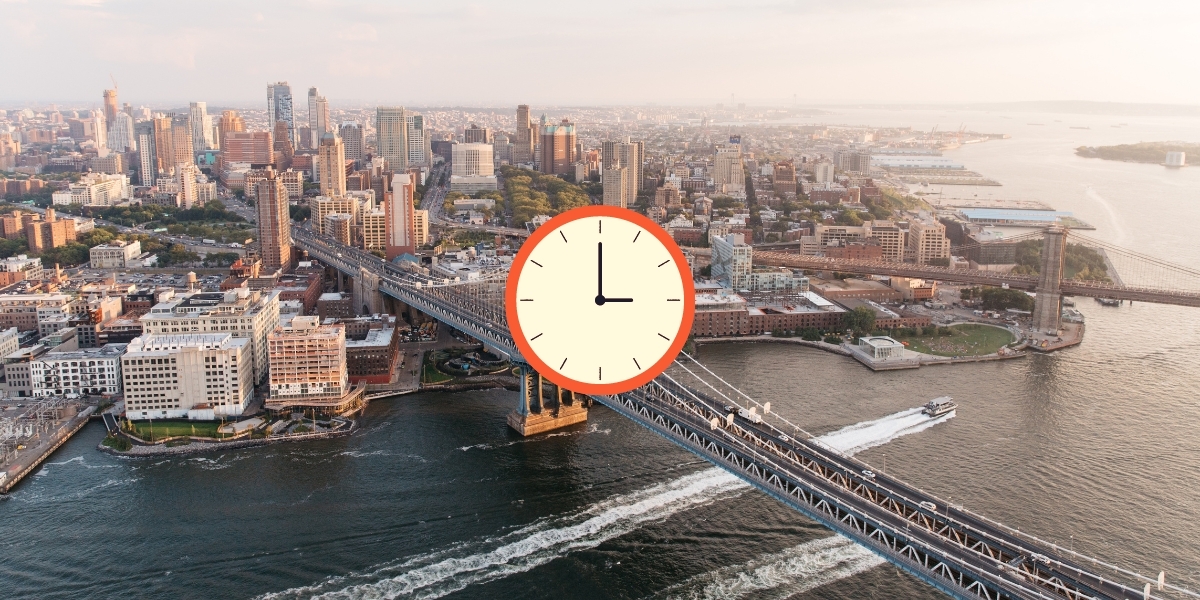
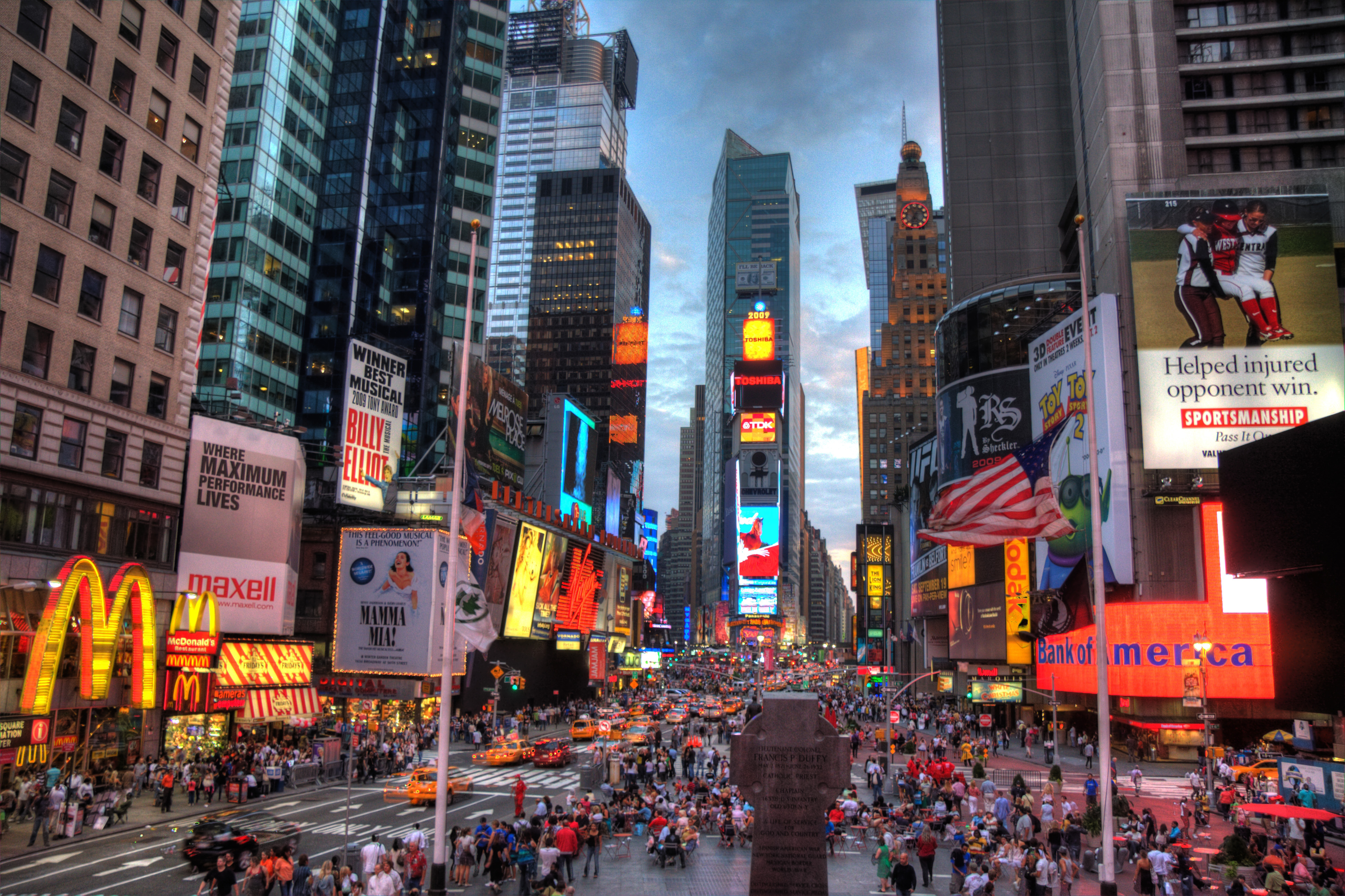
The rhythm of New York City is defined by more than just the ticking of a clock; it is dictated by the pulse of an urban landscape that famously never sleeps. For the traveler planning a journey to this global metropolis, understanding the local time is merely the starting point. It is about aligning your internal clock with the frenetic pace of a city that spans five boroughs and countless time zones of human activity. Whether you are arriving for a business engagement in Midtown Manhattan or seeking the neon-drenched thrills of Times Square, grasping the temporal flow of the Big Apple is essential for a seamless itinerary.
The Temporal Pulse of the Big Apple
New York City operates on Eastern Standard Time (EST) during the winter months and Eastern Daylight Time (EDT) once the clocks spring forward in the spring. While this standard seems straightforward, the experience of “time” here is entirely subjective. Unlike smaller destinations where the day concludes at dusk, time in the city is a fluid construct, influenced by the geography of your surroundings.
Navigating the Daily Rhythm
If you find yourself waking up at the Waldorf Astoria New York, the early morning hours—between 6:00 AM and 8:00 AM—offer a rare, serene glimpse of the streets before the daily commute begins. This is the moment to grab a coffee and head toward Central Park, where the city’s lungs provide a tranquil buffer against the coming rush. By midday, the “time” of the city shifts into high gear. This is when the business districts of the Financial District reach maximum capacity, and the lines at world-renowned delis grow long.
Evening Transitions and Nightlife
As the sun sets over the Hudson River, the temporal focus shifts from productivity to leisure. The transition is marked by the illumination of the Empire State Building, which signals that the evening portion of the city’s timeline has officially commenced. For those visiting from different time zones, this period is critical. Jet lag can easily distort your sense of reality, but the sheer vibrancy of the nightlife in areas like Greenwich Village serves as a potent, if exhausting, stimulant.
Strategic Scheduling for the Urban Explorer
Time management in a city of eight million people requires a deliberate approach. A single trip across Manhattan can consume an hour of your day if you rely solely on taxis during rush hour. To make the most of your trip, you must categorize your activities by the time of day they are most viable.
Morning: The Cultural Awakening
The best time to visit institutions like the Metropolitan Museum of Art or the American Museum of Natural History is immediately upon opening. Not only do you beat the crowds, but you also experience these spaces when they are freshest. During the early morning, the quiet reverence of these grand halls allows for a deeper appreciation of the history contained within their walls.
Midday: The Gridlock Reality
From 12:00 PM to 2:00 PM, the city is at its most congested. This is the time to avoid long-distance travel across town. Instead, focus on a hyper-local experience. Explore the architecture of Grand Central Terminal, or take a walking tour of Brooklyn Bridge. By staying stationary or utilizing pedestrian-heavy zones, you prevent your schedule from collapsing under the weight of traffic.
Night: The Neon Clock
Once the clock strikes 9:00 PM, the character of the city changes entirely. This is when the theaters of Broadway pour out their audiences, and the restaurants of Little Italy reach their peak volume. If you are tracking time by the energy of the crowd, the night is arguably more “New York” than the day. Visiting the Top of the Rock at midnight provides a view of a city that feels infinite, a sprawling grid of lights that defies the constraints of a traditional sleeping schedule.
Seasonal Shifts and Daylight Fluctuations
The “time” in New York City is also heavily impacted by the season. During the winter, the early sunsets—sometimes occurring as early as 4:30 PM—can make the city feel more intimate, favoring cozy evenings inside the St. Regis New York or quiet dinners in candlelit bistros.
Winter’s Shortened Daylight
In the depths of January, the city’s character is defined by the need for warmth. You’ll find that activities move indoors, and the “social time” shifts to earlier in the evening. It is the perfect period to indulge in the refined amenities of the city’s luxury hotels or spend hours browsing the rare collections at the New York Public Library.
Summer’s Endless Evenings
Conversely, summer months extend the clock. With sunset arriving well past 8:00 PM, the city feels as though it has an extra shift of productivity and play. Outdoor cinema screenings at Bryant Park and late-night strolls along the High Line become the norm. The extended daylight allows for a more relaxed pace, encouraging travelers to linger longer at al fresco dining spots and rooftop bars throughout SoHo.
Mastering the City’s Internal Clock
Ultimately, the answer to “What time is it in New York City?” is: “It is exactly when you choose to be.” The city offers a different experience for the early bird, the office professional, the tourist, and the night owl.

Tips for Time Optimization
- The Subway Advantage: If you are racing against the clock, the New York City Subway is your most reliable tool. It ignores the surface-level gridlock that can trap a taxi for twenty minutes.
- The Concierge Resource: Use the staff at high-end establishments, such as the Four Seasons Hotel New York, to help gauge the “vibe” of the city at any given hour. They can advise you on the best time to visit landmarks like Statue of Liberty to avoid the worst of the tourist queues.
- Embrace the Flow: Trying to force a rigid, minute-by-minute itinerary onto New York City is a recipe for frustration. Instead, build your day around one or two “anchor” events and allow the serendipity of the city to fill the gaps. Whether you are walking through Washington Square Park or visiting Rockefeller Center, the joy of the city is found in the time spent between destinations.
New York City remains a constant challenge to the conventional clock. It demands energy, rewards curiosity, and insists that you be present in the moment. Regardless of what the watch on your wrist says, the only time that truly matters in the city is the time you are actively living while exploring its infinite layers. From the first light hitting the spires of the Chrysler Building to the quiet hum of the streets before dawn, every second in this city contributes to a narrative that is uniquely, undeniably its own.
LifeOutOfTheBox is a participant in the Amazon Services LLC Associates Program, an affiliate advertising program designed to provide a means for sites to earn advertising fees by advertising and linking to Amazon.com. Amazon, the Amazon logo, AmazonSupply, and the AmazonSupply logo are trademarks of Amazon.com, Inc. or its affiliates. As an Amazon Associate we earn affiliate commissions from qualifying purchases.