
Located in the heart of Midtown Manhattan, the Museum of Modern Art, commonly referred to as MoMA, stands as one of the most influential institutions dedicated to contemporary and modern art in the world. Since its founding in New York City in 1929, the museum has curated a collection that challenges, inspires, and redefines our understanding of human creativity. Navigating its expansive galleries can feel overwhelming for the first-time visitor, but with a strategic approach, you can experience the absolute masterpieces that define the artistic landscape of the 20th and 21st centuries.

The Pillars of Modernism: Exploring the Fifth Floor
The permanent collection at MoMA is arranged chronologically, and the fifth floor serves as the chronological starting point for the story of modern art. This section is essential for anyone looking to understand the evolution from Post-Impressionism to Abstract Expressionism.
Iconic Masterpieces
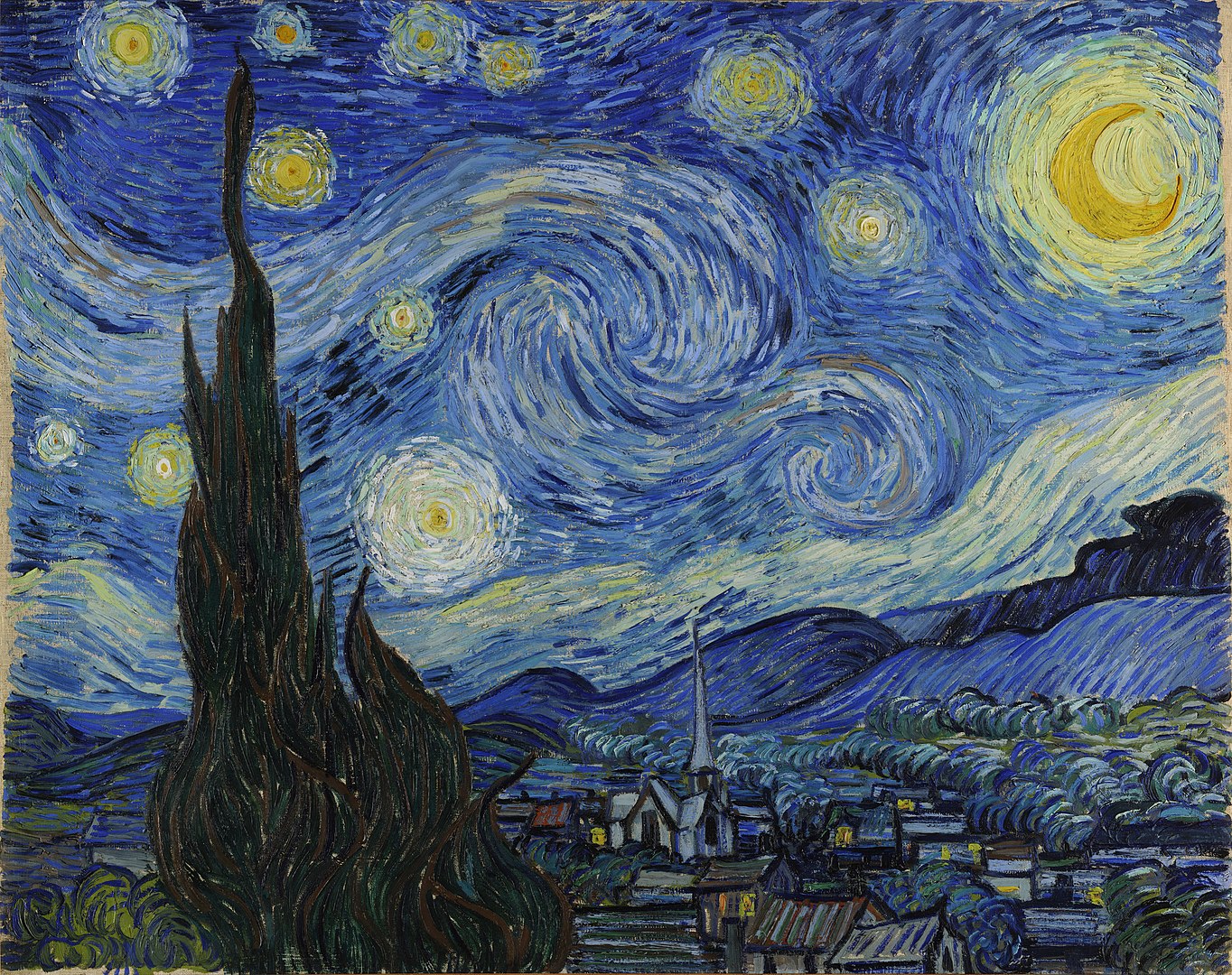
No visit is complete without standing before Vincent van Gogh’s The Starry Night. Its swirling brushstrokes and emotional intensity remain the crown jewel of the collection. Nearby, you will find Claude Monet’s massive Water Lilies triptych. These immersive canvases, gifted to the museum by the artist, create a meditative sanctuary within the bustling United States.
Moving further into the galleries, you will encounter the radical shifts of the early 20th century. Pablo Picasso’s Les Demoiselles d’Avignon is perhaps the most significant work in the room, representing the birth of Cubism and shattering traditional notions of perspective. The narrative continues through the bold geometries of Piet Mondrian and the surreal dreamscapes of Salvador Dalí, whose The Persistence of Memory—with its famous melting clocks—remains an instantly recognizable icon of Surrealism.
Beyond the Canvas: Architecture, Design, and Media
While painting is often the primary draw, MoMA is a multidisciplinary institution. A significant portion of its mission is to showcase how art intersects with daily life through design, industrial innovation, and architecture.
The Architecture and Design Galleries
The Architecture and Design department is world-renowned for its curation of objects that define modern living. From Bauhaus furniture to the evolution of the Apple computer, the displays demonstrate how form and function have been bridged over the last century. Visitors can explore prototypes of chairs, lighting fixtures, and even full-scale architectural models that have dictated the skyline of Manhattan.
Film and Media
The museum also boasts a premier film department. The MoMA Film collection is one of the most comprehensive in existence, spanning everything from early silent cinema to experimental independent films. If you are a cinephile, check the daily screening schedule. Often, the museum hosts retrospectives of legendary directors or showcases rare archival footage that provides deep insight into the cultural history of the Western World.
Contemporary Conversations on the Fourth and Second Floors
After soaking in the early modern masters, descend to the lower levels to witness how art has responded to the complex socio-political climate of recent decades. The Contemporary Art galleries are dynamic spaces, frequently rotated to reflect the most pressing topics in global discourse.
Minimalism and Pop Art
As you transition into the mid-20th century, you will encounter the vibrance of Pop Art. Andy Warhol’s Campbell’s Soup Cans is a must-see for its commentary on mass consumerism and the democratization of art. Across the hall, the quiet discipline of Minimalism and the sheer scale of Abstract Expressionism works by Jackson Pollock offer a stark, physical contrast. Standing before a massive Pollock drip painting allows you to appreciate the kinetic energy and emotional weight that defined the New York School movement.
Engaging with Global Perspectives
Recent expansions of the museum have placed a stronger emphasis on diversity and inclusion, bringing a global lens to the collection. You will find works by Latin American, African, and Asian artists who have contributed significantly to the modern canon. This commitment to a broader geographical representation ensures that the museum is not just a repository of European or North American history, but a reflection of the modern global identity.
Visitor Tips for a Seamless Experience
Visiting such a significant cultural landmark requires a bit of logistical planning to ensure you leave feeling energized rather than exhausted.
Timing Your Visit
The Museum of Modern Art is one of the most visited destinations in New York City. To avoid the heaviest crowds, plan to arrive as soon as the doors open in the morning. Weekday mornings, specifically Tuesday and Wednesday, are generally the quietest times to view the iconic paintings.

Utilizing Museum Resources
- Audio Guides: The museum offers excellent digital guides that provide deep context for many of the key pieces. Access these on your smartphone to enhance your understanding of the artists’ motivations.
- The Abby Aldrich Rockefeller Sculpture Garden: Perhaps the most tranquil spot in all of Midtown Manhattan, this outdoor oasis is a masterpiece of landscape design. It is the perfect place to sit, reflect on what you have seen, and enjoy the sculptures by Henri Matisse and Pablo Picasso set against the towering glass skyscrapers of the city.
- Dining and Retail: Before leaving, consider stopping at the Museum Store for high-quality art books and design objects, or enjoy a meal at the renowned The Modern, which provides a world-class culinary experience overlooking the sculpture garden.
Whether you are a casual observer or a dedicated art historian, MoMA offers an unparalleled journey through the ideas that shaped our modern world. By balancing your time between the historical heavyweights on the upper floors and the challenging, contemporary pieces on the lower levels, you will gain a comprehensive view of the evolution of human expression. The museum is not merely a place to observe art; it is a space designed for active engagement and constant re-evaluation of what we consider to be beautiful, important, and true.
LifeOutOfTheBox is a participant in the Amazon Services LLC Associates Program, an affiliate advertising program designed to provide a means for sites to earn advertising fees by advertising and linking to Amazon.com. Amazon, the Amazon logo, AmazonSupply, and the AmazonSupply logo are trademarks of Amazon.com, Inc. or its affiliates. As an Amazon Associate we earn affiliate commissions from qualifying purchases.