
Chinatown remains one of the most vibrant, historic, and sensory-rich neighborhoods in New York City. A dense labyrinth of narrow streets, bustling storefronts, and hidden alleys, it serves as a living tapestry of the immigrant experience in United States. Whether you are a first-time visitor or a seasoned local, navigating this neighborhood requires a blend of curiosity and an appetite for adventure. From sprawling parks where locals practice Tai Chi to culinary institutions that have anchored the community for decades, Chinatown offers a unique glimpse into a culture that continues to shape the identity of Manhattan.
Iconic Landmarks and Cultural Hubs
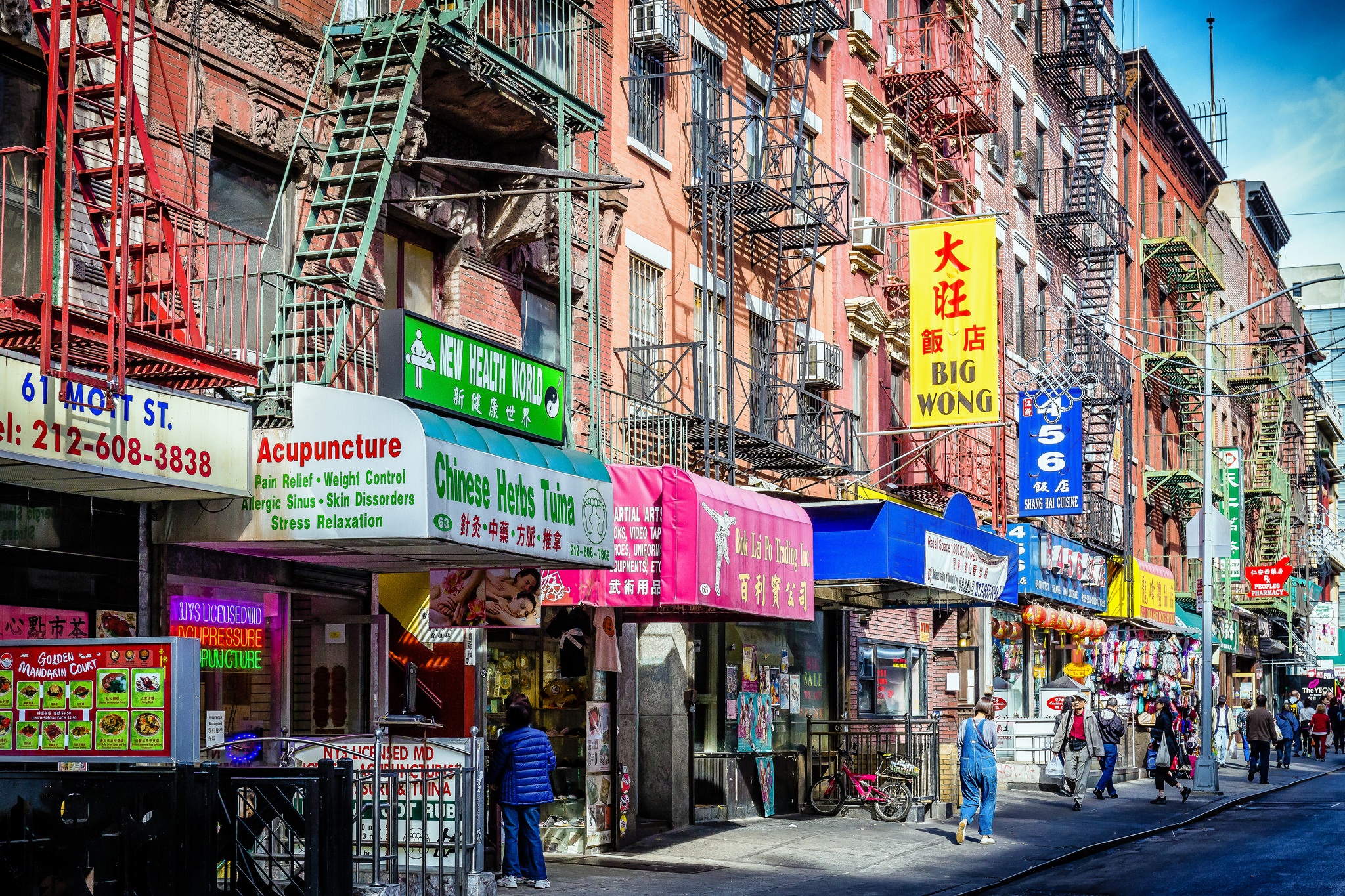
The heart of Chinatown beats through its historic landmarks and public spaces, which serve as gathering points for the community. Walking through the neighborhood, you will notice a distinct departure from the towering skyscrapers of Midtown, replaced by tenement-style architecture and ornate streetscapes.
Columbus Park
Serving as the unofficial “living room” of the neighborhood, Columbus Park is perhaps the most authentic spot to witness daily life. In the early morning hours, you will find groups of elderly residents practicing Tai Chi, playing vigorous games of Xiangqi (Chinese chess), or gathering for community choir performances. The park sits on the site of the former notorious Five Points neighborhood, providing a deep historical layer to your visit. It is an ideal spot to sit on a bench, enjoy a bubble tea, and simply observe the rhythmic pulse of local life.
The Museum of Chinese in America
To truly understand the narrative of this neighborhood, a visit to the Museum of Chinese in America is essential. Located on Centre Street, the museum chronicles the history, culture, and ongoing contributions of Chinese people in the United States. Through rotating exhibitions, oral histories, and archival photographs, the museum challenges stereotypes and provides a profound perspective on the sacrifices and triumphs of generations of immigrants. It is an intellectually stimulating stop that grounds your exploration in historical reality.
Mahayana Buddhist Temple
Tucked away in the southern reaches of the neighborhood, the Mahayana Buddhist Temple is a serene escape from the relentless energy of the streets. Home to a magnificent 16-foot gold-plated Buddha statue, the temple is one of the largest of its kind in the city. Visitors are welcome to step inside, light incense, and admire the intricate craftsmanship. The atmosphere here is one of quiet contemplation, offering a stark and welcome contrast to the bustling fish markets and street vendors just outside the door.
Culinary Adventures: Eating Your Way Through the Streets
The primary draw for many visitors to Chinatown is its legendary culinary scene. The neighborhood is a microcosm of regional cuisines, ranging from Cantonese staples to contemporary fusion.
The Art of the Dumpling
No visit to the neighborhood is complete without a dedicated “dumpling crawl.” For an affordable and authentic experience, head to Vanessa’s Dumpling House. Their pan-fried pork chive dumplings are a staple of the New York City budget food scene. For a more elevated experience, consider Joe’s Shanghai, famous for pioneering the popularity of soup dumplings (xiao long bao) in the region. Be prepared to wait in line, but the reward of delicate skins and rich, savory broth makes the experience a rite of passage for every food enthusiast.

Dim Sum Traditions
For a classic weekend brunch, look no further than the large, multi-story dim sum palaces. Nom Wah Tea Parlor, established in 1920, holds the title of the oldest dim sum restaurant in New York City. Walking into its Doyers Street location feels like stepping back in time, with its vintage booths and iconic red signage. Ordering a spread of har gow, siu mai, and turnip cakes here is not just a meal; it is an immersion into the history of Cantonese dining in the United States.
Bakeries and Sweet Treats
After a savory meal, satisfy your sweet tooth at one of the many traditional bakeries. Mei Lai Wah is widely regarded as the gold standard for pineapple buns and roast pork buns. These baked goods are inexpensive, consistently warm, and represent the comfort food of the local community. For a more modern twist, there are numerous shops offering egg waffles and specialized bubble tea creations that have become a hallmark of the modern Chinatown experience.
Exploring Hidden Alleys and Local Markets
The soul of Chinatown is often found off the main thoroughfares. To get the most out of your trip, venture down the side streets and explore the specialized markets that cater to home cooks and professional chefs alike.
Doyers Street
Once known as the “Bloody Angle” due to its history of gang activity in the early 20th century, Doyers Street is now one of the most picturesque and pedestrian-friendly spots in the neighborhood. Its unique, sharp bend makes it a favorite for photographers. It is lined with trendy cafes, intimate restaurants, and a historic post office, making it a perfect spot to wander through on a sunny afternoon.
Canal Street and Mott Street
Canal Street serves as the bustling commercial artery of the area. It is intense, crowded, and utterly chaotic, yet essential for the full experience. Parallel to it is Mott Street, which feels slightly more curated and pedestrian-oriented. Here, you will find herbalist shops, antique stores, and small boutiques that offer everything from traditional tea sets to contemporary stationery.
Wet Markets and Grocery Stores
The local markets, such as Hong Kong Supermarket, offer a fascinating look at the ingredients that define the local cuisine. Wandering through the aisles of exotic fruits, fresh seafood, and imported spices provides a sensory overload that explains why the food in this neighborhood is so consistently vibrant. It is a fantastic place to pick up unique snacks or ingredients you simply won’t find in standard supermarkets elsewhere in Manhattan.

Practical Tips for Your Visit
To ensure a seamless and respectful visit to Chinatown, keep a few local nuances in mind.
- Cash is King: While many businesses now accept credit cards, smaller vendors, dim sum joints, and bakeries often maintain cash-only policies. Carrying smaller denominations will make your transactions much smoother.
- Embrace the Crowds: The narrow sidewalks are constantly packed. Be prepared to navigate through crowds, especially on weekends. It is part of the neighborhood’s charm, so embrace the energy rather than fighting it.
- Public Transit: The area is incredibly accessible via the New York City Subway. The Canal Street station serves multiple lines (N, Q, R, W, 6, J, Z), making it one of the most well-connected neighborhoods in New York City.
- Respect the Space: Remember that Chinatown is a residential neighborhood first. While it is a tourist attraction, it is also home to thousands of families. Keep noise levels moderate and be mindful of private residences while you are taking photos.
Whether you are seeking a culinary education, a history lesson, or simply the thrill of exploring one of the most dynamic neighborhoods in the United States, Chinatown provides a multifaceted experience that stays with you long after you leave. From the quiet morning reflection in Columbus Park to the neon-lit, bustling evenings on Mott Street, the neighborhood is an essential stop on any itinerary of New York City. Stay curious, explore the side streets, and don’t be afraid to try a new dish—the beauty of this place lies in its endless capacity to surprise.
LifeOutOfTheBox is a participant in the Amazon Services LLC Associates Program, an affiliate advertising program designed to provide a means for sites to earn advertising fees by advertising and linking to Amazon.com. Amazon, the Amazon logo, AmazonSupply, and the AmazonSupply logo are trademarks of Amazon.com, Inc. or its affiliates. As an Amazon Associate we earn affiliate commissions from qualifying purchases.