
The history of New York is a tapestry woven with threads of colonial ambition, revolutionary fervor, and the foundational architecture of the United States. For history enthusiasts and travelers walking the cobblestone streets of the Hudson Valley or peering up at the steel spires of Manhattan, understanding the origins of this state provides a deeper context to the landmarks that define the region. The question of when New York became a state is not merely a date on a calendar; it is a story of transition from a British colony to a sovereign member of a fledgling republic.
The Path to Ratification: A Critical Moment in History
While many associate the birth of the nation with the signing of the Declaration of Independence in 1776, the actual formation of the statehood of New York followed a more deliberate and complex political process. New York officially became the 11th state to ratify the United States Constitution on July 26, 1788.
The Constitutional Convention and Its Discontents
The road to this date was fraught with debate. Following the American Revolutionary War, the newly formed states operated under the Articles of Confederation. It soon became clear that this framework was insufficient for the needs of a growing nation. The Constitutional Convention held in Philadelphia sought to rectify these weaknesses, yet New York’s delegates remained deeply skeptical of a strong federal government.
The Federalist Papers: Shaping the National Identity
It was during this period of intense deliberation that the Federalist Papers were penned. Written by Alexander Hamilton, James Madison, and John Jay, these essays served as a campaign to persuade the citizens of New York—and by extension, the other states—of the necessity of the proposed Constitution. The discourse was intellectual, fierce, and fundamentally shaped the structure of the American government as we know it today.
New York’s Legacy of Leadership and Architecture
Since its integration into the Union, New York has served as an epicenter for architectural innovation and historical preservation. To walk through the streets of Albany, the state capital, is to witness the evolution of American civic design. From the early colonial structures that survived the fires of the revolution to the Gilded Age grandeur of the New York State Capitol, the state’s history is literally carved into its stone.
The Role of Landmarks in Historical Education
Landmarks such as Federal Hall, where George Washington took the oath of office as the first president of the United States, stand as silent witnesses to the year 1788 and the years immediately following. For the modern traveler, visiting these sites is a way to bridge the gap between abstract historical dates and tangible human experience. Each brick in Battery Park or every arch in Grand Central Terminal echoes the transition from a fledgling colony to a global cultural powerhouse.

Preserving the Past for Future Generations
The preservation of New York’s history is a major focus for state institutions and non-profits alike. By maintaining sites like the Fraunces Tavern, where George Washington bade farewell to his officers, the state ensures that the significance of its statehood—and the sacrifices made to secure it—remains accessible. These landmarks provide a narrative of resilience, innovation, and democratic struggle that continues to resonate with visitors from around the globe.
From Colonies to Commerce: The Geographic Context
The geography of New York was a primary driver in its early importance. The Hudson River acted as a natural artery for trade and military maneuvering, making the region a strategic prize for European powers. Understanding the state’s evolution requires acknowledging how the geography influenced both the early battles for independence and the subsequent economic explosion.
Strategic Importance and Early Settlements
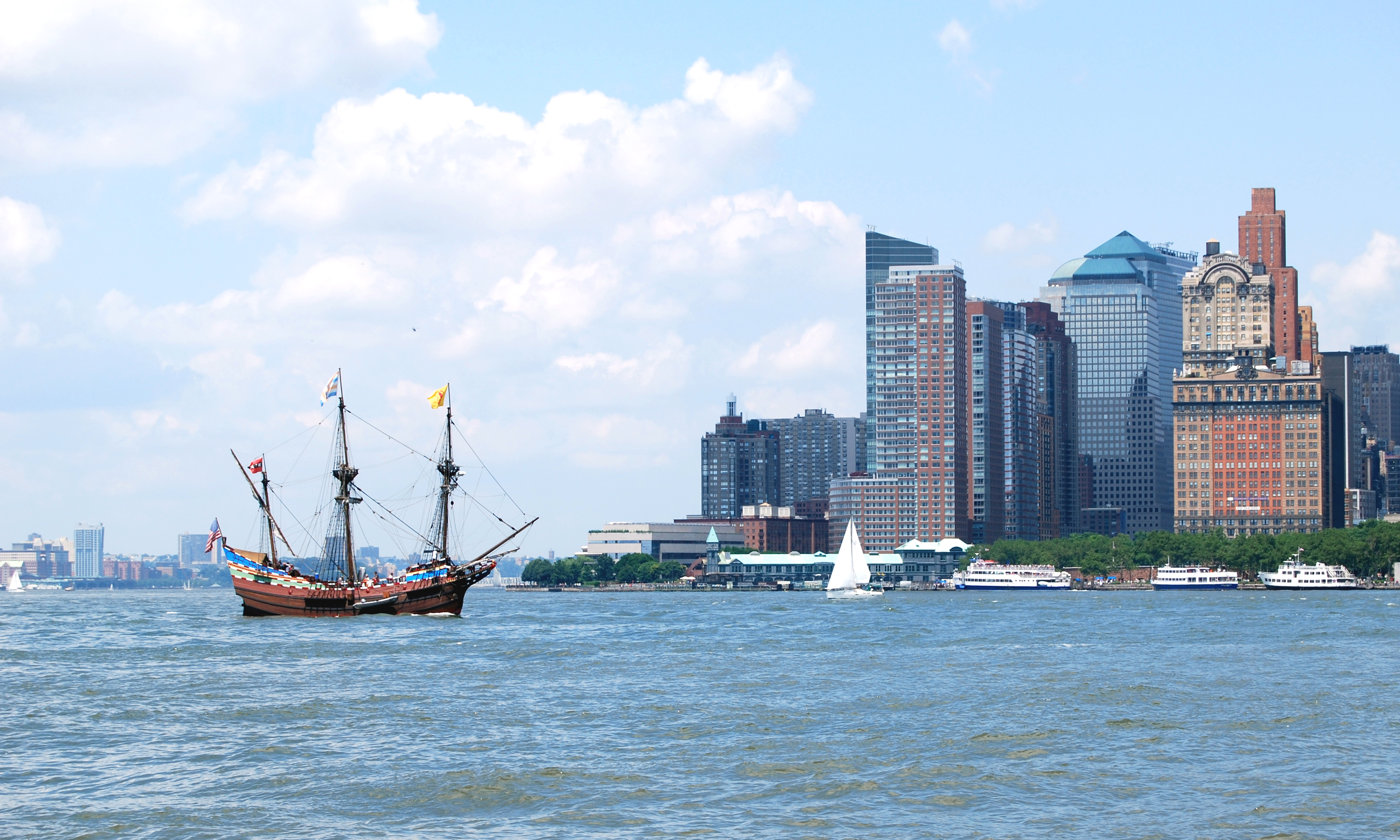
Long before 1788, the land was settled by Indigenous Peoples and later contested by the Dutch and the British. The transition from New Amsterdam to British-controlled New York set the stage for the distinct blend of international influence that defines the state today. The port of New York City became the gateway to the New World, facilitating the influx of immigrants who would eventually build the cultural fabric of the state.
The Transformation of the Landscape
As the state solidified its position within the union, the landscape underwent dramatic changes. The construction of the Erie Canal is perhaps the most famous example of how New York leveraged its natural geography to foster economic growth. By connecting the Atlantic Ocean to the Great Lakes, the state accelerated the development of the American interior, cementing its status as the “Empire State.”
Visiting the Birthplace of the Constitution Today
For those traveling through New York State today, the history of 1788 is woven into the travel experience. A trip to the New York State Museum in Albany offers a comprehensive look at how the region transitioned through the centuries. Similarly, exploring the historic districts of Brooklyn or the quiet, preserved hills of the Catskills offers diverse perspectives on how the state’s identity has evolved from the era of the Founding Fathers.
Essential Historical Destinations
If you are planning an itinerary, consider these stops to deepen your connection to the founding era:
- Kingston: The first capital of New York, which holds a significant place in the state’s political birth.
- Saratoga National Historical Park: The site of a pivotal battle that shifted the momentum of the revolution, ultimately leading to the state’s independence.
- Wall Street: Beyond its modern financial reputation, it serves as the physical location of the early government offices where the first policies of the state were debated.

Understanding the Significance of July 26, 1788
Ultimately, answering the question “What year did New York become a state?” invites travelers to look closer at the world around them. It is a reminder that the ease and accessibility of modern travel in New York were built upon centuries of political negotiation and cultural development. As you navigate the museums, walk the historic city squares, and enjoy the views from the state’s iconic skyscrapers, remember that each location serves as a bookmark in the long and storied history of a state that truly helped define the modern era. Whether you are interested in the military history of the Adirondacks or the literary history of the Finger Lakes, the story of New York is one that never stops evolving, making every visit a chance to learn something new about the foundations of the nation.
LifeOutOfTheBox is a participant in the Amazon Services LLC Associates Program, an affiliate advertising program designed to provide a means for sites to earn advertising fees by advertising and linking to Amazon.com. Amazon, the Amazon logo, AmazonSupply, and the AmazonSupply logo are trademarks of Amazon.com, Inc. or its affiliates. As an Amazon Associate we earn affiliate commissions from qualifying purchases.