
The story of New York is a complex tapestry woven from shifting colonial ambitions, strategic geography, and the eventual rise of a global metropolis. To understand the timeline of this iconic location, one must distinguish between the initial European arrival, the establishment of the trading post, and the formal incorporation of the city as we recognize it today.
The Foundations of New Netherland (1624–1626)
Long before it was known as the Big Apple, the island of Manhattan was a bustling center of indigenous activity. However, the formal European establishment began under the auspices of the Dutch West India Company.

Governor Peter Minuit and the Dutch Arrival
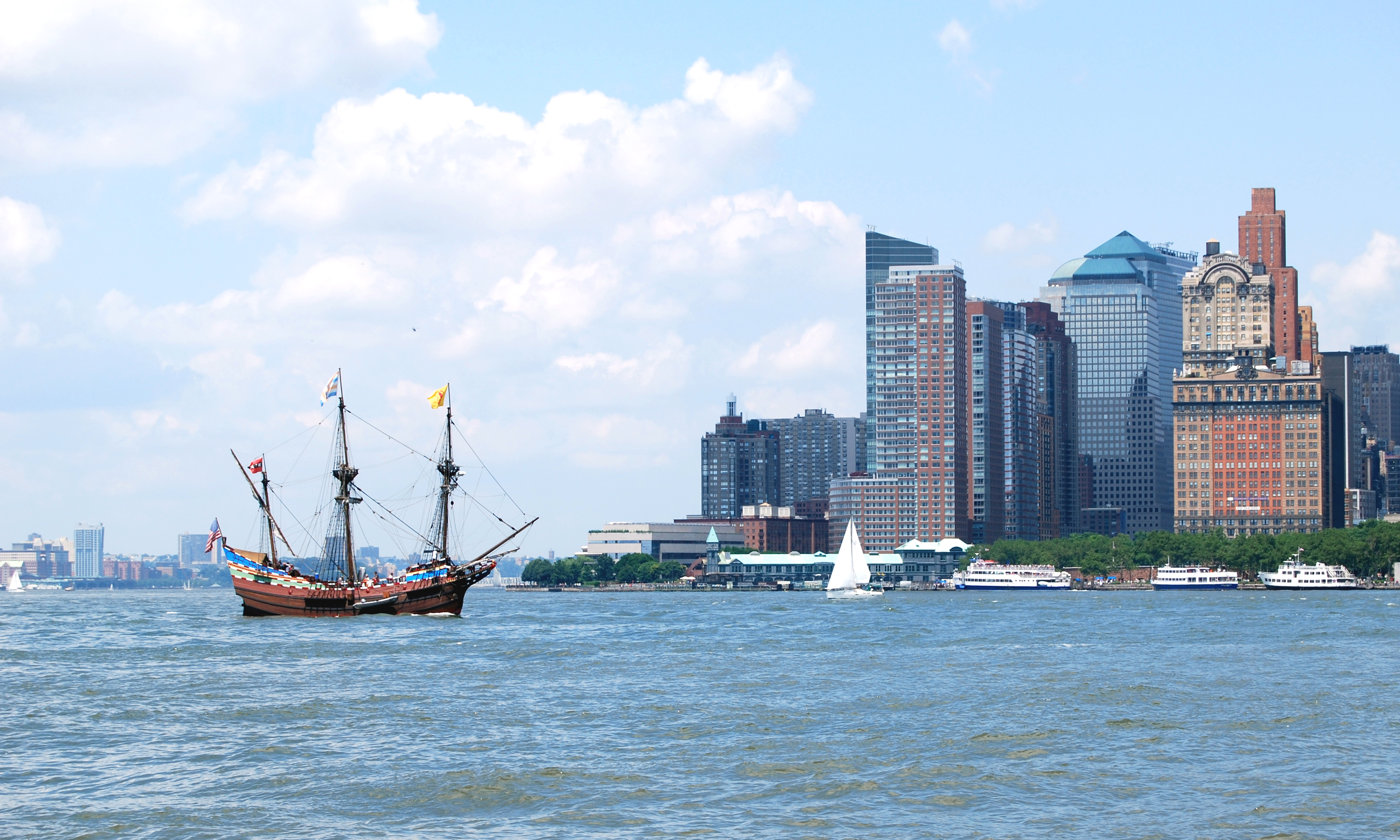
In 1624, the first Dutch settlers arrived in the region, initially setting their sights on the upper reaches of the Hudson River. It was not until 1625 and 1626 that the focus shifted to the strategic southern tip of Manhattan. This area, known as New Amsterdam, was intended to serve as a secure port for the fur trade. In 1626, Peter Minuit, the Director-General of the colony, famously “purchased” the island from the local Lenape people. While the nature of this transaction remains a subject of historical debate, it solidified the Dutch claim to the territory.
The Strategic Value of the Harbor
The location was selected primarily for its deep-water harbor and its position at the mouth of a major river system. For the Dutch, this was not meant to be a sprawling urban center, but rather a fortress and trading post. The construction of Fort Amsterdam at the southern tip marked the physical establishment of the settlement that would eventually evolve into the financial heart of the world.
The English Takeover and the Birth of New York (1664)
The transition from a Dutch outpost to a British colony was relatively swift and largely dictated by the growing geopolitical rivalry between the two European powers. In 1664, an English fleet sailed into the harbor, demanding the surrender of the colony.
The Surrender of New Amsterdam
Peter Stuyvesant, the final Dutch Director-General, attempted to organize a defense, but he lacked the support of the local populace, who were weary of constant administrative friction. Stuyvesant surrendered the town without a fight, effectively ending Dutch rule in North America.

Renaming for the Duke of York
Upon taking control, the English renamed the colony in honor of the Duke of York, who would later become King James II. This 1664 transition is, for many historians, the true “founding” year of New York as a political entity under the English crown. It was during this period that the city began to develop the cosmopolitan character that would define it in the centuries to follow, absorbing diverse populations of English, Dutch, African, and French settlers.
From Colonial Outpost to American Metropolis
The years following the English takeover were marked by rapid expansion and structural development. The city’s geography, particularly its proximity to the Atlantic Ocean, allowed it to flourish as a vital maritime hub.
The Role of Wall Street and Trade
The early history of the city is inextricably linked to the development of trade infrastructure. The defensive wall that had been built by the Dutch to protect the northern boundary of the settlement eventually gave its name to Wall Street. This area transitioned from a military perimeter to a financial district, laying the groundwork for the city’s future as a global economic powerhouse.
Revolutionary Significance
By the time of the American Revolution, New York had become the largest and most influential city in the thirteen colonies. It served as a major point of contention between the British forces and the Continental Army. The city’s occupation by the British for the duration of the war hindered its growth but ultimately did not diminish its central role in the birth of the United States of America.
Preserving the Layers of History
Today, the origins of New York are preserved through various historical sites, museums, and architectural landmarks that tell the story of its Dutch and English beginnings.
Historical Landmarks in Lower Manhattan
Visitors to Lower Manhattan can still see the remnants of this deep history. The layout of the streets, particularly the winding, narrow roads of the Financial District, follows the original colonial paths that existed long before the city was modernized.
Understanding the Cultural Legacy
The establishment of New York was a multi-stage process, beginning with the commercial goals of the Dutch in 1624–1625 and culminating in the formal English renaming in 1664. Understanding this timeline allows one to appreciate the layered history of the city. Whether it is the legacy of the Dutch mercantile spirit or the structural foundations laid by the English, these historical pillars continue to influence the identity of the city.
In conclusion, while 1624 serves as the date for the earliest colonial efforts in the region, and 1626 marks the establishment of the permanent settlement at the southern tip of Manhattan, it was the events of 1664 that gave the world the name “New York.” These dates collectively define the origins of one of the most resilient and dynamic cities in history. Each historical layer—from the indigenous heritage of the Lenape to the early fortifications of the Dutch and the expansionist ambitions of the British—has contributed to the complex urban landscape that defines the city today. By visiting the National Museum of the American Indian or exploring the historic sites at Bowling Green, travelers can piece together the narrative of how a small, strategic fur-trading post evolved into the global icon recognized by millions worldwide.
LifeOutOfTheBox is a participant in the Amazon Services LLC Associates Program, an affiliate advertising program designed to provide a means for sites to earn advertising fees by advertising and linking to Amazon.com. Amazon, the Amazon logo, AmazonSupply, and the AmazonSupply logo are trademarks of Amazon.com, Inc. or its affiliates. As an Amazon Associate we earn affiliate commissions from qualifying purchases.