
Understanding the climate of Queens, the largest borough of New York City, is essential for any traveler planning to explore this diverse cultural hub. Nestled on the western portion of Long Island, Queens experiences a humid subtropical climate, heavily influenced by its proximity to the Atlantic Ocean. While the mercury fluctuates significantly throughout the year, knowing what to expect can make the difference between an uncomfortable trek and an enjoyable urban adventure.
Seasonal Climate Patterns and Expectations
The temperature in Queens follows a distinct four-season cycle, each offering a unique atmosphere for exploring local landmarks like the Queens Museum or wandering through the lush pathways of Flushing Meadows Corona Park.
Winter: The Chilly Season
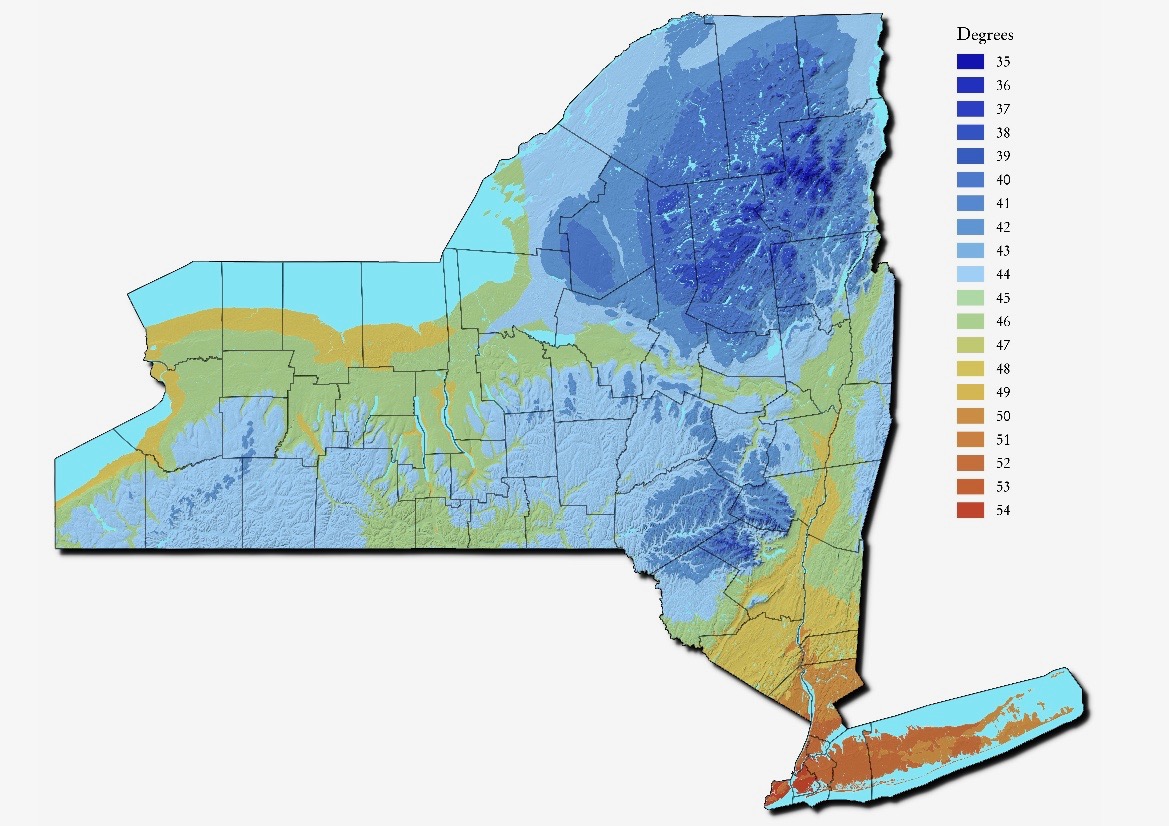
From December through February, temperatures in Queens often hover near or below freezing. While the borough rarely experiences the extreme arctic blasts seen further inland, the coastal winds can make the “real feel” temperature drop considerably. Average highs fluctuate between 35°F and 45°F, while overnight lows frequently dip below 30°F. Visitors during this time should be prepared for potential snowstorms, which can transform the borough’s landscape into a quiet, white retreat, though it may complicate travel logistics.
Spring: The Period of Rebirth
Spring, spanning March to May, is a transition period defined by its volatility. Temperatures can swing from a chilly 40°F in early March to a pleasant 70°F by late May. This is arguably the best time to visit Astoria Park, as the blooming cherry blossoms and moderate weather provide a perfect backdrop for outdoor photography. However, the season is also known for being quite wet, so keeping a waterproof layer in your bag is highly recommended.
Summer: Heat and Humidity
Queens in the summer—June through August—is characterized by heat and high humidity levels. Average daytime highs consistently reach the 80s, with frequent heatwaves pushing temperatures into the 90s. The urban heat island effect can make the streets feel even warmer. This is the peak time for beach excursions to Rockaway Beach, where the Atlantic breeze provides a necessary respite from the inland swelter.
Autumn: The Golden Window
Autumn (September to November) is widely considered the most comfortable time to visit. As the humidity breaks, the borough enjoys crisp, cool mornings and mild, sunny afternoons. Temperatures typically settle in the 50s and 60s, making it ideal for walking tours through Jackson Heights to sample international cuisines. By late November, the temperature begins to drop rapidly, signaling the approach of winter.
Geographical Influences on Local Weather
Why is the temperature in Queens often different from the rest of the city? The borough’s vast geography plays a crucial role. Stretching from the industrial landscapes of Long Island City to the residential shoreline of the Rockaway Peninsula, the temperature variance can be surprising.

The Coastal Effect
Areas bordering the East River and the Jamaica Bay benefit from maritime cooling during the summer and moderate warming during the winter. The water acts as a thermal buffer, preventing the extreme temperature peaks that occur in more landlocked areas. If you are staying near the shore, expect the air to feel fresher, albeit slightly breezier, than in central locations like Jamaica.
Urban Density and Heat Retention
In densely built neighborhoods, such as Forest Hills, concrete and asphalt surfaces absorb heat throughout the day and release it slowly at night. This results in “urban heat retention,” where nighttime temperatures remain several degrees higher than in the surrounding green spaces like Alley Pond Park. Travelers choosing accommodations in high-density areas should prioritize properties with efficient climate control systems, as evening temperatures can remain stagnant even after the sun sets.
Planning Your Visit Based on Temperature
Choosing the right time to visit Queens depends heavily on your tolerance for temperature extremes and your planned activities. Whether you are aiming to walk the grounds of the U.S. Open tennis tournament or visit the historic Louis Armstrong House Museum, the weather will dictate your packing list.
Dressing for Success: The Layering Strategy
Regardless of the season, the most effective way to navigate the New York climate is by mastering the art of layering.
- Base Layers: Moisture-wicking fabrics are essential for summer humidity and preventing chills in the winter.
- Mid Layers: A light sweater or fleece is versatile enough for the unpredictable spring and autumn days.
- Outer Layers: A wind-resistant jacket is vital for the coastal regions of Queens. During the winter, a heavy, insulated coat is non-negotiable.
Seasonal Travel Considerations
- Summer Travel: If you plan to visit in July or August, prioritize indoor cultural experiences, such as visiting the Museum of the Moving Image, during the peak heat hours of 1:00 PM to 4:00 PM. Stay hydrated and utilize the extensive New York City Subway system, which offers an underground respite from direct sunlight.
- Winter Travel: While the weather is colder, winter travel offers the advantage of lower crowds and off-peak pricing at many New York City area establishments. Just ensure your itinerary is flexible in case of inclement weather, which can occasionally impact regional transit schedules.
Navigating the Microclimates of the Borough
It is a common mistake to view Queens as a singular climatic entity. Because of its massive size, the temperature at the JFK International Airport in the southern portion of the borough can often differ from the conditions in northern areas like Whitestone.
Monitoring Real-Time Data
For travelers who need precise data, relying on localized forecasts is better than generic city-wide reports. Checking the weather for specific neighborhoods or utilizing sensors near major landmarks will provide a more accurate reading of what you can expect when stepping outside. If you are participating in an event at Citi Field, keep an eye on the forecast for the specific area of Corona, as the open-air design of the stadium makes spectators particularly susceptible to local temperature shifts and wind patterns.

The Role of Humidity
Beyond the raw temperature numbers, the “Dew Point” and humidity levels are critical indicators for visitor comfort. High humidity in the summer makes the temperature feel significantly hotter than the thermometer reading, whereas low humidity in the winter can cause skin dryness. Carrying a small travel-sized moisturizer and staying consistently hydrated are simple tips that significantly enhance the overall travel experience in this climate.
By understanding these seasonal nuances and geographical factors, you can prepare effectively for your trip to Queens. Whether you are visiting for a weekend or an extended stay, staying informed about the temperature will ensure your time is spent enjoying the rich culture and vibrant streets of this iconic borough, rather than battling the elements.
LifeOutOfTheBox is a participant in the Amazon Services LLC Associates Program, an affiliate advertising program designed to provide a means for sites to earn advertising fees by advertising and linking to Amazon.com. Amazon, the Amazon logo, AmazonSupply, and the AmazonSupply logo are trademarks of Amazon.com, Inc. or its affiliates. As an Amazon Associate we earn affiliate commissions from qualifying purchases.