
Planning a trip to Manhattan requires more than just booking a flight and finding a place to stay; it requires a deep understanding of the temperamental climate that defines this iconic borough. As the cultural and financial heartbeat of New York, the island experiences four distinct seasons, each offering a drastically different perspective of the city. Whether you are navigating the concrete canyons during a sweltering summer or wandering through the frost-dusted pathways of Central Park, understanding the weather is the key to mastering your itinerary.
The Seasonal Rhythm of New York City
New York City is a land of extremes. Because of its coastal position on the Atlantic Ocean, the city is subject to shifting wind patterns and humidity levels that can turn a beautiful morning into a stormy afternoon.
Spring: A City in Bloom
Spring, spanning from April to early June, is arguably the most pleasant time to explore. Temperatures typically hover between 50°F and 70°F. As the winter chill recedes, the city sheds its heavy layers, and locals flood the outdoor cafes in Greenwich Village. However, spring in New York is notoriously rainy. It is common to experience sudden spring showers that require a reliable umbrella and waterproof footwear. If you are visiting during this window, layering is your best strategy. A light jacket or a trench coat will serve you well as you walk across the Brooklyn Bridge on a crisp, breezy April day.
Summer: The Concrete Jungle Heat
Summer in Manhattan is defined by high humidity and temperatures that frequently climb into the high 80s or 90s Fahrenheit. The “urban heat island” effect—where concrete and steel trap warmth—makes the city feel significantly hotter than the surrounding suburbs. While this is the peak time for tourism, with visitors flocking to Times Square and Rockefeller Center, it requires preparation. High-quality sunblock, hydration, and an appreciation for air-conditioned museums like the Metropolitan Museum of Art are essential. Evenings often bring a cooling breeze, making this the best time to enjoy rooftop bars or twilight cruises around Statue of Liberty.
Autumn and Winter: Bracing for the Chill
As the year draws to a close, the city undergoes a dramatic transformation. The weather becomes a pivotal character in the daily lives of residents and tourists alike.
The Golden Months of Fall
Many frequent travelers consider autumn the absolute best time to be in Manhattan. From late September through November, the humidity drops, replaced by a crisp, invigorating air. Temperatures usually range from 45°F to 65°F, perfect for walking tours through SoHo or Chelsea. The foliage in Central Park turns into a vibrant palette of oranges and reds, providing a stunning contrast against the steel skyline. You will need a sweater or a light wool coat, especially as the sun sets earlier in the day.

The Winter Spectacle
Winter in the United States northeastern corridor can be brutal, but it is also magical. December through February brings temperatures that often hover near or below freezing. While snowstorms can sometimes paralyze the streets, they also blanket Fifth Avenue in a beautiful, hushed silence. If you are traveling during these months, heavy insulation is non-negotiable. You will want a high-quality parka, thermal layers, and warm boots to handle the slush that inevitably forms on the sidewalks.
Despite the cold, this season offers unique attractions that draw millions, such as the lighting of the tree at Rockefeller Center or the festive atmosphere surrounding Bryant Park. The weather is a challenge, but the reward is experiencing the city at its most glamorous.
Navigating Weather-Related Disruptions
Traveling in Manhattan means being prepared for the unpredictable. Because the city relies heavily on its subway system and walking, weather events have a ripple effect on daily mobility.
Preparing for Inclement Weather
Even during mild seasons, the Atlantic coastline can bring unexpected weather systems. Heavy rainstorms or the rare late-season tropical storm can lead to localized flooding. Always keep a close eye on local forecasts from the National Weather Service. If a severe weather advisory is issued, it is often wise to limit outdoor activities and favor indoor attractions like the Museum of Modern Art or a Broadway show in the Theater District.
Dressing for the City
The “New York uniform” is designed to be functional. Locals prioritize versatile layers that can transition from a drafty subway station to a heated restaurant or a chilly outdoor park. When packing for a trip to New York City, consider these essential rules:
- Footwear: You will walk more than you expect. Bring broken-in, water-resistant shoes, regardless of the season.
- Layering: Carry a backpack or tote to store your layers as the day progresses and the temperature fluctuates.
- Accessories: A compact, sturdy umbrella is a must-have accessory throughout the year.
- Visibility: In winter, ensure your coat is warm enough to withstand the wind tunnels created by the skyscraper architecture of Midtown.

Why Weather Matters to Your Itinerary
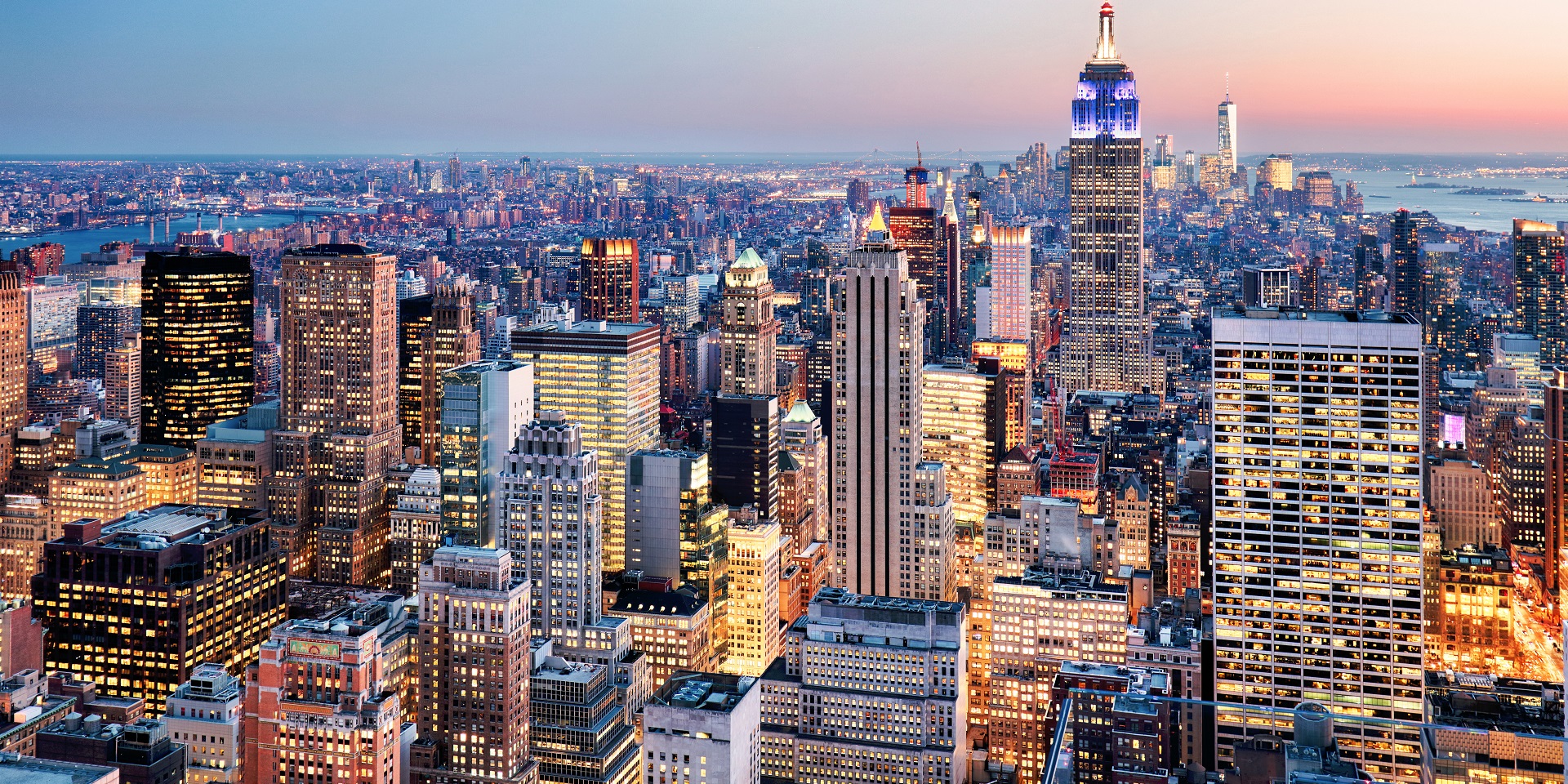
Ultimately, your experience of Manhattan is inextricably linked to the thermometer. A sunny day at the High Line offers a completely different vibe than a blustery afternoon spent inside the Empire State Building.
When planning your trip, align your bucket list with the expected climate. If you dream of outdoor picnics in Washington Square Park, aim for late spring or early autumn. If you want to witness the city’s legendary holiday lights, embrace the winter chill and prioritize indoor comfort in between sights. Regardless of when you visit, the weather in Manhattan serves as a backdrop to an ever-changing, high-energy environment. Stay flexible, watch the forecast, and prepare for the elements so you can enjoy everything the city has to offer without being caught off guard. By mastering the seasonal nuances of New York, you ensure your visit is defined by discovery rather than discomfort.
LifeOutOfTheBox is a participant in the Amazon Services LLC Associates Program, an affiliate advertising program designed to provide a means for sites to earn advertising fees by advertising and linking to Amazon.com. Amazon, the Amazon logo, AmazonSupply, and the AmazonSupply logo are trademarks of Amazon.com, Inc. or its affiliates. As an Amazon Associate we earn affiliate commissions from qualifying purchases.