
The origins of New York are rooted in a complex tapestry of exploration, commerce, and geopolitical rivalry. To understand when the colony was settled, one must look beyond a single date and toward the early 17th century, when European powers first turned their gaze toward the lush, strategically vital waterways of the Hudson River and the surrounding harbor.
The Arrival of the Dutch West India Company
The formal beginnings of European colonization in what would become New York State are tethered to the year 1624. While earlier explorations, most notably by Henry Hudson in 1609, laid the groundwork for future claims, it was not until the Dutch West India Company established a permanent presence that the region transitioned from an exploration zone to a fledgling settlement.

The Founding of New Netherland
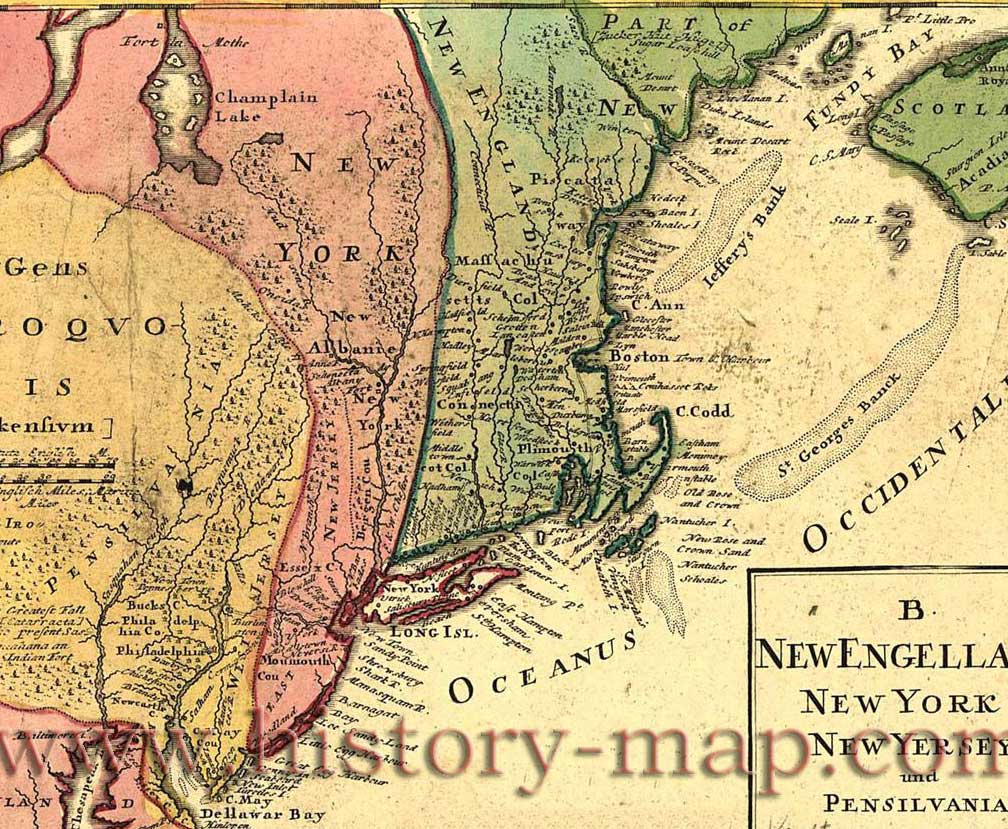
In 1624, the first group of settlers—primarily Walloon families—arrived in the region to establish a base of operations. They initially settled at Fort Orange, located near present-day Albany. This outpost was designed primarily as a hub for the lucrative fur trade, which served as the lifeblood of New Netherland, as the Dutch colony was then known.
By 1625, the focus shifted toward the mouth of the river. The Dutch recognized that the geography of Manhattan offered unparalleled defensive and maritime advantages. Under the direction of Willem Verhulst, construction began on Fort Amsterdam, establishing the nucleus of what would grow into New Amsterdam.
Peter Minuit and the Acquisition of Manhattan
A pivotal moment in the colony’s early history occurred in 1626 when Peter Minuit, the Director-General of the colony, famously negotiated the acquisition of Manhattan Island. This transaction with the Lenape people marked the beginning of a rapid transformation of the landscape. While history often focuses on the purchase price, the event solidified the Dutch presence, allowing them to consolidate their administration and foster a diverse, profit-driven society that attracted merchants and settlers from across Europe.
The English Transition and the Birth of New York
For four decades, the Dutch held sway over the region, maintaining a colonial culture defined by trade and religious tolerance. However, the burgeoning power of England in the Americas created unavoidable friction. The English perceived New Netherland as a strategic wedge separating their colonies in New England from those in the south, such as Virginia.
The Siege of 1664
The year 1664 proved to be the definitive turning point in the colony’s political life. Recognizing the geopolitical necessity of controlling the Atlantic seaboard, King Charles II granted the land to his brother, the Duke of York. A British naval fleet sailed into the harbor, forcing Peter Stuyvesant, the last Dutch Director-General, to surrender the colony without a violent confrontation.

Upon the transition of power, New Amsterdam was renamed New York City in honor of the Duke. This marked the official transition from a Dutch commercial outpost to an English colony, setting the stage for the administrative and social structures that would persist until the American Revolution.
Colonial Development and Social Evolution
Following the English takeover, the colony experienced a period of demographic and economic expansion. The English implemented a different legal and land-holding system, which incentivized further settlement throughout the Hudson Valley and Long Island.
A Melting Pot of Cultures
One of the most enduring legacies of the settlement period was the pluralistic nature of the population. Even under British rule, the colony maintained a distinct cultural flavor influenced by its Dutch, French, German, and Scandinavian roots. This diversity was not merely a byproduct of colonial life but an essential component of the colony’s stability. By the 18th century, the region served as a primary gateway for immigrants, a role it continues to play in the modern era.
The Influence of Trade
The colony’s economy remained heavily tied to the sea. New York Harbor grew into one of the most important ports in the British Empire. This facilitated the growth of an influential merchant class in Wall Street, a street that originally served as the northern boundary of the Dutch settlement. The confluence of global trade and local governance fostered a unique spirit of entrepreneurship that defined the identity of the colony throughout the 1700s.
The Lasting Legacy of the Settlement Period
The “settling” of the New York colony was not a singular event but a multi-generational process of displacement, negotiation, and integration. From the initial 1624 arrival of the Dutch to the solidification of British authority, the region was constantly adapting to new political realities.
Impact on Architecture and Planning
The footprint of the early colonial period is still visible in the layout of the city. While the original fortifications like Castle Clinton evolved over time, the street grids of lower Manhattan still echo the paths carved out by early settlers. Historians point to these foundational elements as evidence of how deeply the Dutch and early English planners influence contemporary life.
Historical Commemoration
Today, visitors can trace these origins by exploring historic sites that preserve the memory of the colony. From the archaeological findings at Staten Island to the archives maintained in the New-York Historical Society, the history of the 17th century remains a foundational pillar of local heritage. Recognizing the complexities of 1624 and 1664 allows for a deeper appreciation of how a small, trade-focused settlement grew into a world-class center of commerce, culture, and innovation.
Ultimately, the settlement of New York was the beginning of an ongoing experiment in urban development and cultural assimilation. By examining these dates and the figures who drove them, one finds the origins of the cosmopolitan character that defines the state and city to this day. The transition from a small trading post under the Dutch flag to a crucial component of the British colonial empire created a resilient, adaptable, and forward-looking society that has remained a focal point of North American history for nearly four hundred years.
LifeOutOfTheBox is a participant in the Amazon Services LLC Associates Program, an affiliate advertising program designed to provide a means for sites to earn advertising fees by advertising and linking to Amazon.com. Amazon, the Amazon logo, AmazonSupply, and the AmazonSupply logo are trademarks of Amazon.com, Inc. or its affiliates. As an Amazon Associate we earn affiliate commissions from qualifying purchases.