
The origins of New York as a colonial entity represent one of the most complex narratives in North American history. Unlike the homogenous settlements founded by religious groups in New England or the plantation-based economies of the south, the region that became New York began as a commercial venture driven by global trade. Understanding the timeline of its establishment requires a look back at the early 17th century, when the Netherlands sought to capitalize on the lucrative fur trade along the Hudson River.
The Arrival of the Dutch and New Netherland
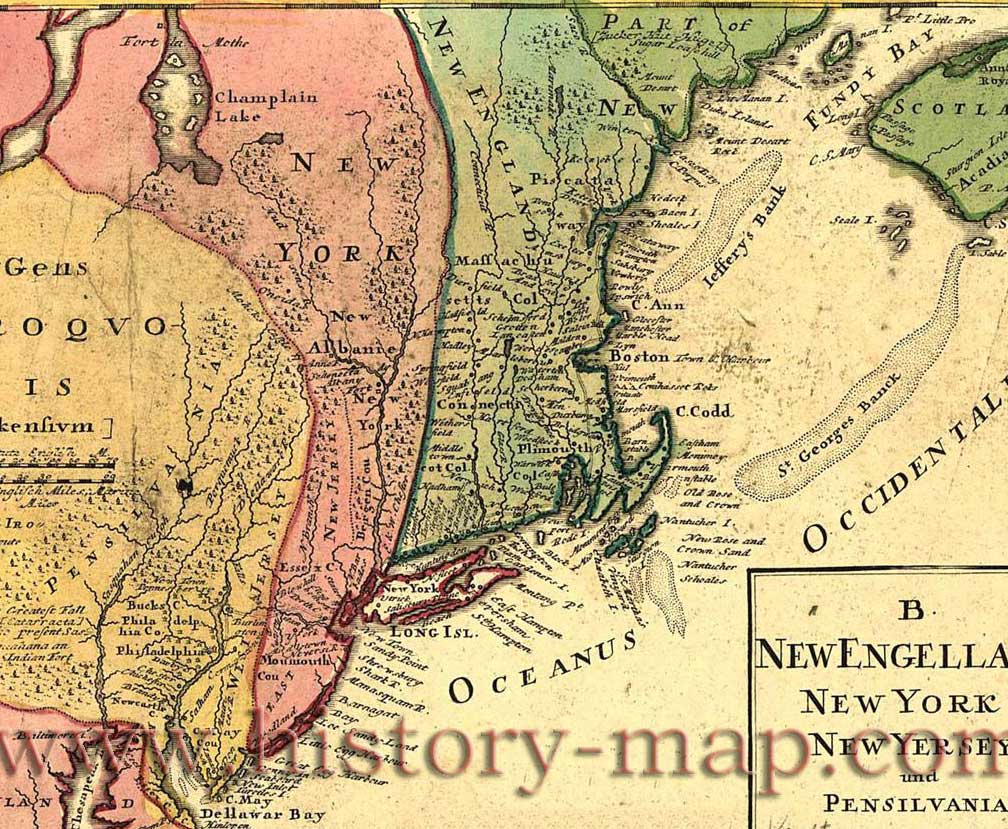
In 1609, the English explorer Henry Hudson, sailing for the Dutch East India Company, navigated the river that would eventually bear his name. His exploration paved the way for Dutch merchants to claim the region. By 1624, the Dutch West India Company had formally established the colony of New Netherland. This early colonial endeavor was primarily focused on extraction and trade rather than permanent settlement or agrarian expansion.

Fort Orange and the Fur Trade
The first permanent European settlement in what is now New York state was Fort Orange, established in 1624 near the site of modern-day Albany. This outpost served as the strategic hub for trade with the Mohawk and other indigenous tribes, facilitating the exchange of European manufactured goods for beaver pelts. This commercial foundation set the tone for the future of the region—a cosmopolitan, trade-oriented society that would eventually evolve into the commercial capital of the United States.
The Purchase of Manhattan
In 1626, Peter Minuit, the Director-General of the colony, famously orchestrated the purchase of Manhattan island from local indigenous people. While the details of this transaction remain historically debated, the establishment of New Amsterdam at the southern tip of the island signaled a commitment to permanent governance and infrastructure. This settlement acted as the capital of the Dutch province, protecting the harbor and serving as the administrative heart of their American operations.
The Transition from Dutch Rule to English Authority
The period of Dutch control was relatively brief, lasting only four decades. By the mid-17th century, the English Empire viewed the presence of the Dutch in the heart of their Atlantic colonial chain as a strategic liability. The geopolitical tension between these two seafaring nations finally culminated in 1664, when an English naval force arrived in the harbor of New Amsterdam.
The Surrender of 1664
Under the leadership of Peter Stuyvesant, the last Dutch Director-General, the colony was unprepared to defend against the overwhelming firepower of the British fleet. Without firing a shot, Stuyvesant surrendered the colony to the English. The territory was subsequently renamed New York in honor of the Duke of York, who would later become King James II. This transition was finalized by the Treaty of Westminster in 1674, which formally confirmed English ownership of the region.

The Integration into the British Colonial System
Once under English control, the colony began to integrate into the wider administrative structure of British North America. The legal systems were restructured, and the social dynamics shifted as English settlers, soldiers, and administrators moved into the region. Despite this political upheaval, the foundational Dutch influence—most notably the emphasis on religious tolerance, maritime commerce, and diverse cultural populations—remained deeply embedded in the societal fabric of New York City.
Legacy of a Dual Colonial History
The dual heritage of New York as both a Dutch and an English colony created a unique cultural trajectory that distinguishes it from its neighbors. This historical layering has left behind a complex map of landmarks, architectural styles, and place names that still define the state today.
Architectural and Cultural Remnants
Travelers and history enthusiasts exploring the region can still see the remnants of this colonial transition. From the Dutch-style farmhouses in the Hudson Valley to the rigid grid plans later refined by English planners, the visual landscape of the region is a direct product of its early years as a colony. The Dutch Reformed Church architecture, for instance, remains a testament to the early settlers who viewed the land as a permanent home rather than just a temporary source of wealth.
Economic and Geographic Significance
The strategic importance of the harbor at the mouth of the Atlantic Ocean ensured that New York would remain the most significant economic powerhouse of the colonies. Because the colony was born out of a desire for global trade, its infrastructure was built to accommodate international merchants from its inception. By the time of the American Revolution, the legacy of these early colonial decades had coalesced to form a society that was uniquely prepared for the global role the United States would eventually play.
Exploring Colonial History Today
For those visiting New York, the history of its colonial establishment is not merely hidden in books but is visible in the physical landscape. Whether one is walking the historic streets of Lower Manhattan or touring the rural outposts along the river, the story of 1624 persists.
- The Evolution of Governance: The shift from a private company-run colony to a royal province provided a roadmap for modern institutional development.
- The Melting Pot Mythos: New York’s colonial era arguably birthed the tradition of the American “melting pot,” as early Dutch, English, German, and Scandinavian settlers, along with enslaved Africans, forged a society that was significantly more diverse than its Puritan neighbors.
The establishment of New York as a colony was a slow, deliberate process of transformation from a commercial outpost into a sophisticated provincial society. By bridging the gap between its Dutch commercial roots and its English imperial governance, New York solidified its status as the most vital link between the Old World and the New. Understanding this transition is essential to grasping why the state—and the city—have functioned as the gateway to the American experience for nearly four centuries. From the earliest days at Fort Orange to the modern status of New York as a global hub, the foundation laid in the early 1600s remains the bedrock of its enduring identity.
LifeOutOfTheBox is a participant in the Amazon Services LLC Associates Program, an affiliate advertising program designed to provide a means for sites to earn advertising fees by advertising and linking to Amazon.com. Amazon, the Amazon logo, AmazonSupply, and the AmazonSupply logo are trademarks of Amazon.com, Inc. or its affiliates. As an Amazon Associate we earn affiliate commissions from qualifying purchases.