
The New York style cheesecake is more than just a dessert; it is an institution, a dense, creamy hallmark of American culinary history that stands in stark contrast to its lighter, fluffier European cousins. To trace its origins is to take a journey through the bustling streets of the early 20th-century United States, where immigrant traditions collided with industrial innovation to create a gastronomic icon.
The Evolution of a Dairy Classic
While the concept of cheesecake dates back to ancient Greece—where it was served to athletes during the first Olympic games—the iteration we recognize today as “New York Style” is a relatively modern invention. The evolution from a honey-sweetened cheese tart to a decadent, cream-cheese-laden centerpiece did not happen overnight. It was the result of a happy accident involving the transformation of the American dairy industry.

The Role of Cream Cheese
The linchpin of the New York cheesecake is, undeniably, cream cheese. In 1872, a New York dairyman named William Lawrence was attempting to replicate a French cheese called Neufchâtel. Through a process of adding extra cream, he inadvertently created a richer, more substantial product. This accidental discovery was branded as Philadelphia Cream Cheese, and it became the foundational element that allowed the New York cheesecake to achieve its signature heavy, velvety texture.
From Household Recipe to Deli Staple
Before the 1920s, cheesecakes in the United States were largely variations of traditional European recipes, often using cottage cheese or farmer’s cheese, which resulted in a grainy texture. As New York City began to establish itself as a global culinary hub, the demand for a more sophisticated, indulgent dessert grew. Jewish immigrants settling in Manhattan and Brooklyn brought their expertise in baking, and by the early 1900s, they began experimenting with the readily available cream cheese, setting the stage for the modern recipe.
Arnold Reuben and the Great Culinary Debate
The most famous—and frequently debated—story regarding the invention of the New York cheesecake points directly to Arnold Reuben, the German-Jewish owner of Reuben’s Restaurant and Delicatessen. According to culinary lore, Arnold Reuben was invited to a dinner party in the late 1920s where he was served a cheesecake made with cottage cheese.
Intrigued by the concept but unimpressed by the texture, he returned to his kitchen in New York City and began experimenting. He reportedly replaced the cottage cheese with cream cheese, removed the yeast traditionally used in old-world recipes, and added eggs to ensure a smooth, dense consistency. By 1929, the cake had become a staple on the menu at his iconic Manhattan eatery. While some historians argue that the recipe was already floating around the immigrant communities of Brooklyn, Arnold Reuben is widely credited with popularizing the version that defined the genre.

Why the “New York” Label Stuck
The name “New York Style” became a shorthand for quality and specific ingredient standards. Unlike other regional versions, a true New York cheesecake is defined by a heavy use of cream cheese, heavy cream, sugar, and eggs, resulting in a cake that is dense and rich enough to stand on its own without fruit toppings or elaborate garnishes. Its association with the city of New York transformed it from a local deli treat into an international symbol of American dessert culture.
Famous Establishments and the Golden Age of Cheesecake
Throughout the mid-20th century, cheesecake cemented its status as a must-try local delicacy for anyone visiting New York City. During this era, the dessert was elevated to an art form, with several landmark institutions becoming synonymous with the product.
Junior’s Cheesecake
Perhaps no establishment has done more to keep the legacy of the New York cheesecake alive than Junior’s. Founded in 1950 by Harry Rosen in Brooklyn, Junior’s utilized a secret recipe that supposedly took years to perfect. By using a sponge cake base rather than the traditional graham cracker crust, they created a unique textural contrast that helped propel the brand to legendary status. Today, Junior’s remains a pilgrimage site for food tourists looking to experience the authentic taste that captured the imagination of post-war America.
The Lindy’s Legacy
Before Junior’s took the crown, Lindy’s was the undisputed king of the New York cheesecake. Located near the theater district in Manhattan, Lindy’s was a favorite haunt for celebrities and performers. Their recipe was famously copied and debated in magazines and newspapers across the country, further spreading the gospel of the cream-cheese-based dessert to the rest of the United States.
The Anatomy of the Perfect New York Slice
Understanding the invention of the cake requires understanding why it remains so popular. What makes a slice authentic? A true New York cheesecake should not be refrigerated for too long before serving, as the cold can mask the delicate balance of the heavy cream and sugar.
The Crust
While the debate between graham cracker crusts and sponge cake bases continues, the goal remains the same: a simple, unobtrusive foundation. In the early days, the use of zwieback crumbs was common, though as the recipe moved into the mid-century, the graham cracker crust became the standard due to its accessibility and complementary flavor profile.
The Texture
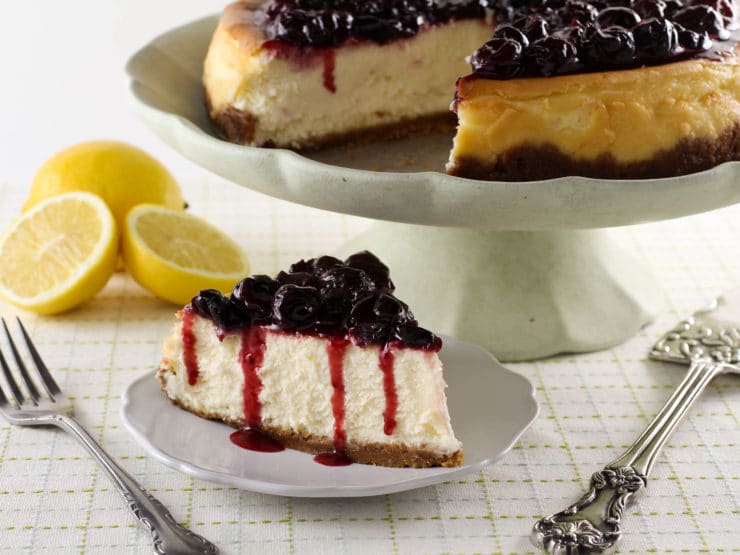
The “invention” of this dessert was truly an exercise in chemical balance. The high fat content from the cream cheese combined with the structural integrity provided by the eggs creates a dense, custard-like interior. Unlike many modern “no-bake” versions that rely on gelatin, the authentic New York style is slow-baked in a water bath to ensure even heat distribution, preventing the cake from cracking and allowing it to achieve that signature, decadent melt-in-your-mouth quality.
Conclusion: A Culinary Legacy
When we ask, “When was New York style cheesecake invented?”, we are really asking when a specific set of immigrant traditions met the industrial ingenuity of New York. While the late 1920s served as the tipping point for its rise to fame, the dessert’s history is a living, breathing component of New York City culture. From the early experiments in Manhattan delis to the massive appeal of Brooklyn institutions, the cheesecake remains one of the few culinary inventions that perfectly captures the spirit of its home: rich, unapologetic, and undeniably iconic. Whether you are enjoying a slice in a bustling Midtown diner or ordering one from a legendary bakery, you are partaking in a piece of history that has defined the American dessert experience for nearly a century.
LifeOutOfTheBox is a participant in the Amazon Services LLC Associates Program, an affiliate advertising program designed to provide a means for sites to earn advertising fees by advertising and linking to Amazon.com. Amazon, the Amazon logo, AmazonSupply, and the AmazonSupply logo are trademarks of Amazon.com, Inc. or its affiliates. As an Amazon Associate we earn affiliate commissions from qualifying purchases.