
The history of the United States is inextricably linked to the complex, shifting colonial foundations of the seventeenth century. Among the most pivotal of these early settlements is the Colony of New York. To understand when this territory was established, one must look beyond a single date and examine the transition from Dutch sovereignty to British rule, a transformation that shaped the identity of the Hudson River valley and the future New York City.
The Foundations of New Netherland (1624–1626)
Before the region was known as New York, it was claimed by the Dutch West India Company as part of a commercial venture aimed at dominating the fur trade. The story begins in 1624, when the first permanent European settlers arrived.

The Arrival at Governors Island
In May 1624, the ship New Netherland arrived at the mouth of the Hudson River carrying approximately 30 families, mostly Walloons. These settlers established a foothold on Governors Island, which they named Nooten Eylandt. This moment marks the true beginning of permanent European habitation in what would eventually become the New York State.
The Purchase of Manhattan
By 1626, the Dutch administration, led by Peter Minuit, moved the primary settlement to the southern tip of Manhattan. The legendary—and often misunderstood—purchase of the island from the local Lenape people established New Amsterdam as the capital of the province of New Netherland. During this period, the territory functioned as a corporate colony, prioritized entirely around trade and logistics rather than the religious or social experiments seen in New England.
The English Takeover and the Birth of New York (1664)
The transition from a Dutch colony to an English one was not the result of a long, bloody conflict, but rather a strategic geopolitical maneuver during the Anglo-Dutch Wars.
The Expedition of the Duke of York
In 1664, King Charles II of England granted the land between the Connecticut River and the Delaware River to his brother, James, Duke of York. This massive, albeit theoretical, land grant ignored the reality of existing Dutch administration. In August 1664, four English warships sailed into the harbor of New Amsterdam.

The Surrender of Peter Stuyvesant
The Dutch Director-General, Peter Stuyvesant, attempted to rally the citizens to defend the colony. However, the residents, weary of the company’s strict rule and recognizing the overwhelming force of the English fleet, refused to fight. Stuyvesant surrendered the colony without firing a shot on September 8, 1664. It was at this moment that New Amsterdam was renamed New York in honor of its new proprietor.
The Consolidation of Colonial Governance
Following 1664, the region underwent a significant social and administrative overhaul. The shift from a Dutch trading post to an English colonial province required the implementation of English common law, the establishment of representative government, and the integration of a diverse, multicultural population.
The Role of Proprietary Rule
Between 1664 and 1685, New York was governed as a proprietary colony. This meant that the Duke of York held absolute authority over the land, granting him the power to appoint governors and create legal frameworks. This period was marked by initial tension between the English administrators and the Dutch residents, who were guaranteed religious freedom and property rights under the terms of the surrender.
Transition to a Royal Province
In 1685, James, Duke of York ascended to the throne as King James II. With the proprietor now holding the British crown, the status of the territory changed officially into a Royal Province. This solidified the colony’s status within the British Empire, creating the political structure that would persist until the American Revolutionary War.
Legacy of the Colonial Era
The establishment of the Colony of New York is unique among the thirteen colonies because of its dual heritage. The Dutch influence remained ingrained in the culture, architecture, and language of the region for decades after the English took control.
Diversity as a Founding Principle
Unlike the relatively homogenous colonies of Massachusetts or Virginia, New York was defined by its diversity from its earliest days. Under the Dutch, the colony attracted settlers from across Europe, including France, Germany, and the Scandinavian countries. This cosmopolitan nature, necessitated by the needs of a global trading port, allowed New York to develop a level of religious tolerance and social fluidity that was ahead of its time.
Geographical Significance
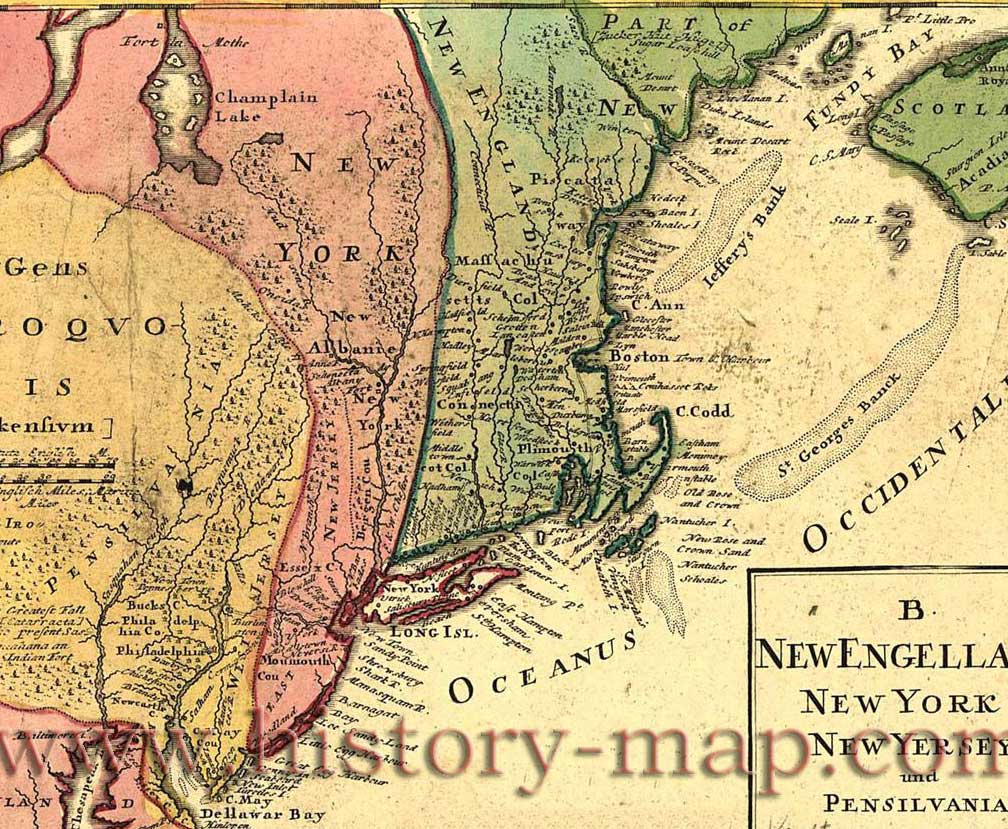
The geographic location of New York ensured its centrality to both the colonial economy and the strategic military landscape. Controlling the Hudson River allowed the colonial government to regulate trade into the interior of North America, a strategic advantage that made it the most coveted piece of real estate in the colonies.
From Colony to State
As the 18th century progressed, the Colony of New York grew in population and influence. When tensions with the British Crown boiled over, the region’s history of independence—first established by the defiant Dutch settlers and later tempered by the complex political dynamics of the English era—served as a precursor to the pivotal role the region would play in the American Revolution. When New York formally adopted its first state constitution in 1777, it was not merely starting fresh, but building upon over 150 years of layered history that defined its unique character as a commercial and cultural hub of the western world. Today, the traces of this colonial past can still be seen in the street patterns of Lower Manhattan and the architectural heritage preserved across the Hudson Valley, reminding visitors that the foundations of modern New York were laid long before the birth of the nation.
LifeOutOfTheBox is a participant in the Amazon Services LLC Associates Program, an affiliate advertising program designed to provide a means for sites to earn advertising fees by advertising and linking to Amazon.com. Amazon, the Amazon logo, AmazonSupply, and the AmazonSupply logo are trademarks of Amazon.com, Inc. or its affiliates. As an Amazon Associate we earn affiliate commissions from qualifying purchases.