
For millions of residents and visitors alike, New York is a city that defies the elements. Towering skyscrapers, iconic bridges, and miles of coastline define its geography, but this proximity to the Atlantic Ocean brings a perennial question to those planning their travels: how susceptible is the region to major storm systems? While the city is often perceived as a concrete fortress, history suggests a complex relationship with tropical weather. Understanding when the last hurricane hit New York City is essential for anyone interested in the resilience of these historic landmarks and the evolution of urban preparedness in a global travel hub.

Understanding the Classification: Tropical Storms vs. Hurricanes
When discussing the meteorological history of New York State, it is vital to distinguish between a full-fledged hurricane and a post-tropical cyclone. By the time storms reach these northern latitudes, they often undergo a process called “extratropical transition,” losing their classic warm core while expanding in size.
The Impact of Recent Systems
While true, Category 1 or higher hurricanes are statistically rare this far north, the impact of storm surges remains a primary concern for the city’s coastal infrastructure. Many visitors may recall the devastation of Hurricane Sandy in 2012. Although it technically made landfall in New Jersey as a post-tropical cyclone, its effect on Lower Manhattan and the Brooklyn waterfront redefined how the city manages its vulnerabilities. It remains the benchmark for modern storm impact in the Northeast.
Defining “Landfall” in the Big Apple
A “landfall” occurs when the center of a storm crosses the coastline. For Long Island and Queens, the geographical angle of the coastline makes a direct strike from the south a statistically lower probability than in Florida or the Caribbean. However, as ocean temperatures rise, the window for these systems to maintain their strength as they track northward has widened, changing the risk profile for those staying in The Battery or walking along the East River.
Historical Landmarks and Their Resilience
The architecture of New York has been shaped by centuries of weather events. From the Statue of Liberty to the historic brownstones of Brooklyn Heights, the city’s landmarks are designed to withstand the harsh realities of the changing seasons.
The Great Hurricane of 1938
Often referred to as the “Long Island Express,” this storm remains the most significant historical reference point. Striking in September 1938, it hit Long Island with the force of a Category 3 hurricane. It remains a fascinating piece of history for those who study American history, as it fundamentally altered the landscape of The Hamptons and surrounding coastal villages. The destruction forced a massive overhaul in building codes, ensuring that modern structures are far more robust than their early 20th-century counterparts.
Engineering for a Changing Climate
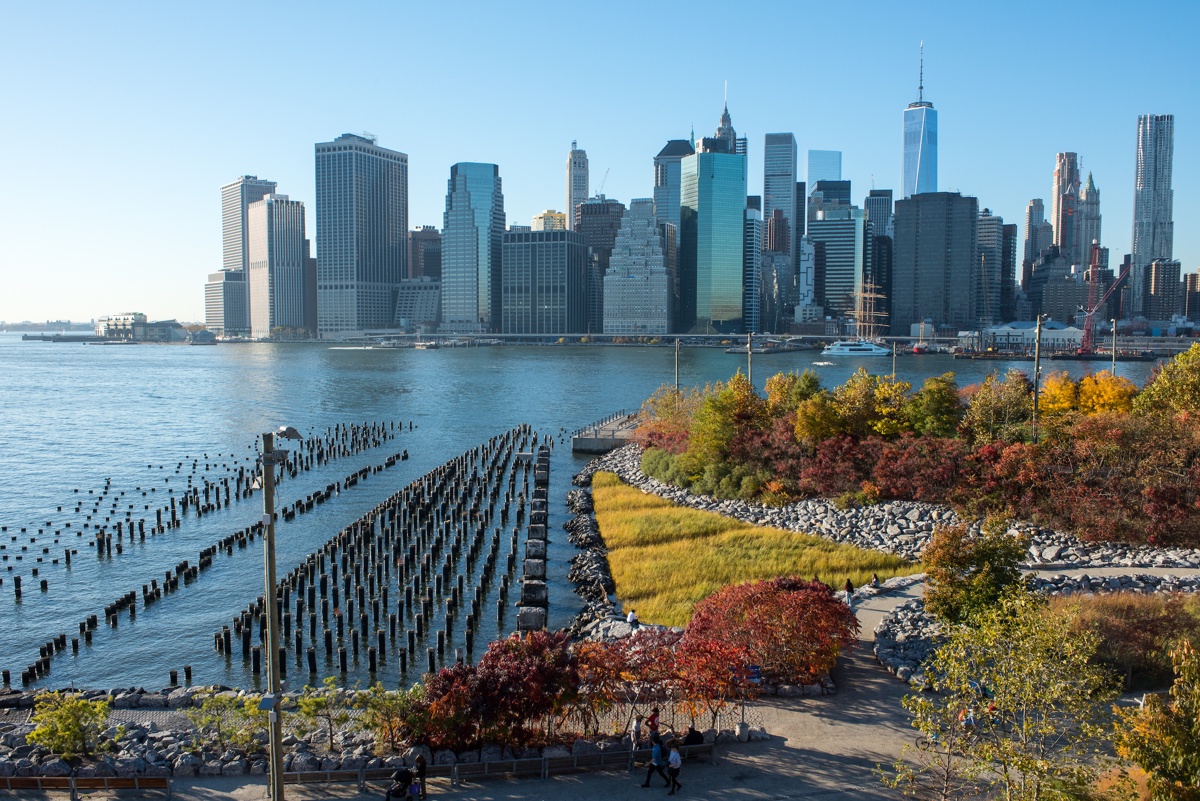
Today, the city utilizes sophisticated flood-mitigation systems. The Seaport District, once highly vulnerable to tidal flooding, has seen significant investment in elevated walkways and glass barriers. Travelers exploring the city today will notice that landmarks near the Hudson River are increasingly integrated with “green infrastructure”—parks designed to act as sponges during high-tide events, proving that the city is not just repairing the past but planning for the future.
Tourism and Safety During Storm Season
For those planning trips, especially between August and October, it is helpful to understand the reality of travel in the United States. While the risk of a direct hit is statistically low, the byproduct of tropical activity—heavy rain and high winds—can occasionally disrupt travel plans.
Essential Tips for Travelers
- Stay Informed: Monitor the National Hurricane Center for updates during the late summer months.
- Flexible Bookings: When reserving your stay at a hotel near Central Park or Times Square, verify the cancellation policy. Modern hospitality groups are well-versed in managing travel disruptions.
- Understand the Geography: High-elevation neighborhoods, such as those found in Upper Manhattan, are inherently safer from storm surges than low-lying waterfront zones.
Should You Worry?
The short answer is no. Millions of tourists visit New York every year without experiencing a major weather event. The city’s public transportation, including the New York City Subway, has undergone billions of dollars in upgrades since 2012 to ensure that even during heavy rain, the heartbeat of the city continues to pulse. The infrastructure is world-class, and the local authorities maintain one of the most sophisticated emergency management systems on the planet.

The Future of Coastal Travel in New York
As we look toward the future, the integration of technology and urban planning continues to evolve. The Big Apple remains one of the safest and most exciting destinations in the world. Whether you are coming to view the skyline from Top of the Rock or simply enjoying the culinary scene in Greenwich Village, the weather remains just one small part of the city’s dynamic identity.
The history of hurricanes in New York is a testament to the city’s ability to adapt. From the aftermath of the 1938 storm to the post-Sandy recovery, each event has served as a lesson in urban survival. For the traveler, this means that the city is more prepared today than it has ever been. By choosing to visit, you are participating in a narrative of resilience that spans centuries. Enjoy the Museum of Modern Art, walk the High Line, and take in the sights with the peace of mind that comes from knowing you are in one of the most carefully monitored and resilient urban centers on the globe. The next time you find yourself looking out toward the Atlantic Ocean from a rooftop bar, appreciate not just the view, but the incredible engineering that keeps this historic metropolis thriving regardless of what the forecast may hold.
LifeOutOfTheBox is a participant in the Amazon Services LLC Associates Program, an affiliate advertising program designed to provide a means for sites to earn advertising fees by advertising and linking to Amazon.com. Amazon, the Amazon logo, AmazonSupply, and the AmazonSupply logo are trademarks of Amazon.com, Inc. or its affiliates. As an Amazon Associate we earn affiliate commissions from qualifying purchases.