
The sheer scale of New York City is enough to leave any visitor breathless. Between the towering glass skyscrapers, the dense grids of traffic, and the millions of residents pulsing through its veins, it is a marvel of human engineering. Yet, hidden beneath the manicured lawns of Central Park and behind the bustle of Times Square lies one of the most sophisticated infrastructure systems in the world. To sustain such a massive metropolis, the city requires over one billion gallons of high-quality drinking water every single day. The story of where this water originates is a journey through the pristine forests and rolling hills that define the landscape of New York State.
The Watersheds: A Natural Filter of the Catskill Mountains
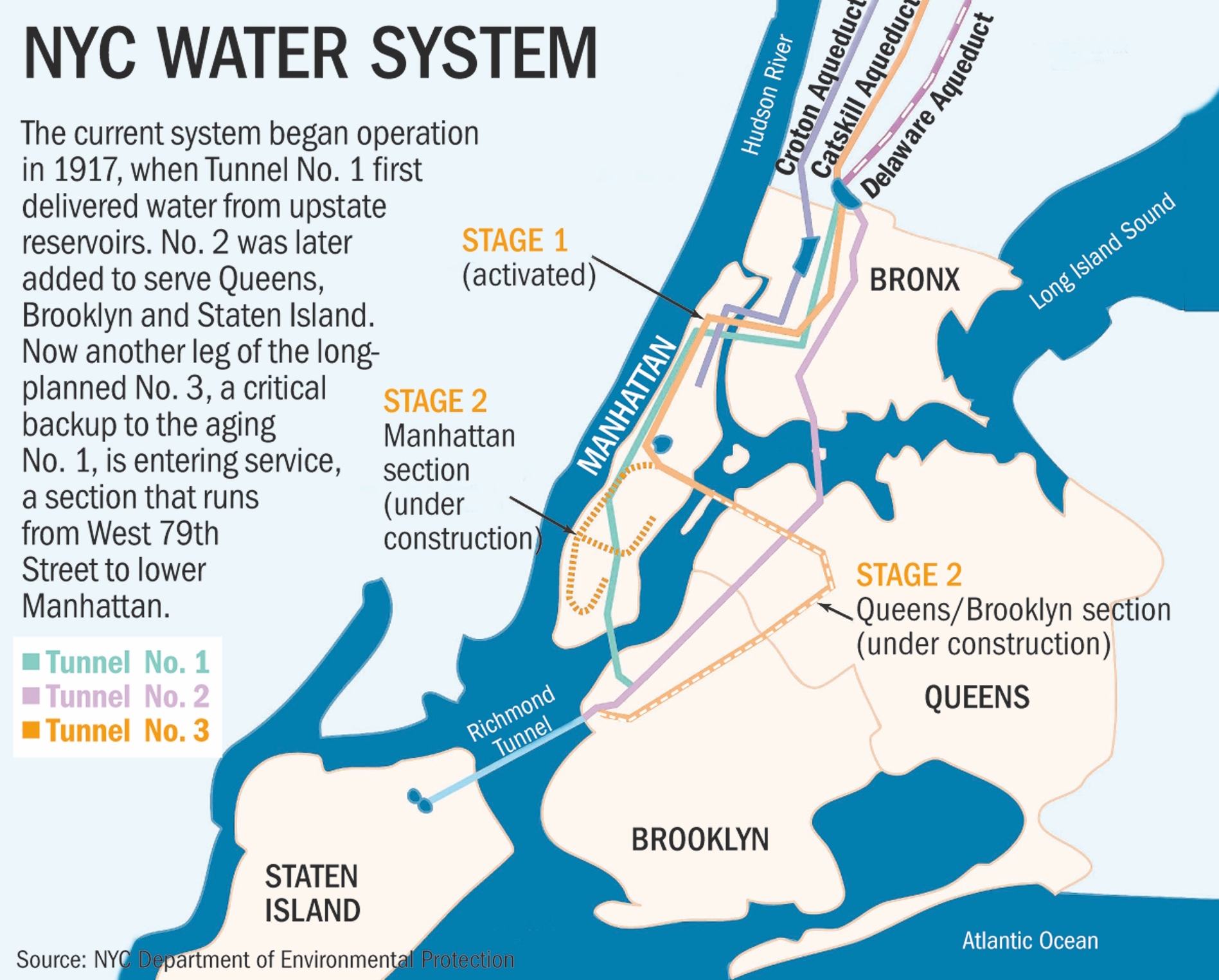
The primary source of New York City’s water is not a local well or a nearby river, but rather a sprawling network of nineteen reservoirs and three controlled lakes scattered across the Catskill Mountains and the Delaware River watershed. These areas, located as far as 125 miles north of the city, serve as the lifeblood of the urban center.
Protecting the Source
Unlike many other major cities that rely on energy-intensive chemical treatment plants to purify water taken from polluted rivers, New York City benefits from a unique “filtration avoidance” status. Because the land surrounding these reservoirs is strictly protected and managed by the Department of Environmental Protection, the water remains remarkably pure. By partnering with local farmers and communities in the Hudson Valley, the city ensures that the natural ecosystem filters the water before it ever enters the system. This foresight preserves the quality that makes New York City tap water famous among locals for its crisp, clean taste.
The Gravity-Fed Engineering Marvel
Perhaps the most impressive aspect of the city’s water supply is that it is almost entirely gravity-fed. From the high elevation of the reservoirs in the Catskills, water journeys downward through massive underground tunnels, such as the Delaware Aqueduct, traversing miles of rugged terrain. Because the reservoirs are positioned at higher elevations than the city itself, the water arrives with sufficient pressure to reach the upper floors of many buildings without the need for constant pumping. This marvel of nineteenth and twentieth-century engineering demonstrates a sustainable design that modern cities still strive to emulate.
The Distribution Network: A City Beneath the Streets
Once the water reaches the city limits, it enters a secondary distribution network of subterranean pipes that span over 7,000 miles. This intricate web is the responsibility of the New York City Department of Environmental Protection, which monitors water quality at thousands of sampling stations every day.

Tunnels and Shafts
The water enters Manhattan through massive tunnels drilled hundreds of feet into the bedrock. These tunnels, including the legendary City Tunnel No. 3, are critical pieces of infrastructure that have been under construction for decades. They act as the city’s main arteries, ensuring that even if one segment requires maintenance, the flow of water remains uninterrupted. For those walking the streets near landmarks like Grand Central Terminal or the Empire State Building, it is easy to forget the colossal engineering achievements operating quietly beneath the pavement.
Rooftop Water Tanks
While the municipal system delivers water to the building level, many older structures in New York utilize the iconic wooden water tanks visible on almost every skyline view. These tanks are gravity-fed from the street-level supply. When the city’s water pressure is not enough to push water to the top floors, the water is pumped up to these tanks, where it sits until needed. This simple, reliable system has been a fixture of New York City architecture for over a century, contributing to the distinct silhouette of the city’s residential neighborhoods.
Challenges and Future Sustainability
Maintaining a water supply for over eight million people is not without its modern challenges. As the population grows and climate change alters weather patterns, the city must remain vigilant in protecting its water resources.
Climate and Stewardship
Increased rainfall intensity in the Catskill Mountains region can lead to turbidity—the clouding of water due to sediment runoff—which puts pressure on the system’s filtration avoidance status. Furthermore, managing the vast Croton Watershed and the other supply reservoirs requires a constant balance between human consumption and the health of the surrounding environment. The city’s ongoing commitment to land conservation in upstate New York is not merely an environmental policy; it is a necessity for the survival of the urban economy.
Conservation Efforts
While the water supply is plentiful, conservation remains a key initiative for New York City officials. Programs that encourage the installation of low-flow fixtures and the reporting of water main leaks help to ensure that the finite resources from the Hudson River region are used responsibly. Every drop saved is a drop that stays in the ecosystem, helping to maintain the natural balance that keeps the water high-quality.

Why NYC Water is Special
For travelers visiting New York City, the water is often a point of conversation. Many claim that the secret to the famous New York bagel or the perfect thin-crust pizza is the specific mineral profile of the local water. While debated by food scientists, there is no doubt that the consistent quality of the water supply plays a significant role in the city’s culinary culture.
When you fill a glass from a tap in a Brooklyn apartment or a hotel near Rockefeller Center, you are consuming the result of a century of conservation and forward-thinking urban planning. The water that sustains the vibrancy of Times Square or the museums of the Upper East Side has traveled a long way from the quiet, protected forests of the north. It is a testament to the fact that even in the most built-up, concrete-heavy environments on Earth, the connection to nature remains the most vital component of a city’s survival. As you explore the landmarks of New York City, remember that the most impressive attraction isn’t just the skyscrapers—it is the invisible, life-sustaining system that flows beneath them.
LifeOutOfTheBox is a participant in the Amazon Services LLC Associates Program, an affiliate advertising program designed to provide a means for sites to earn advertising fees by advertising and linking to Amazon.com. Amazon, the Amazon logo, AmazonSupply, and the AmazonSupply logo are trademarks of Amazon.com, Inc. or its affiliates. As an Amazon Associate we earn affiliate commissions from qualifying purchases.