
For the millions of residents and tourists navigating the bustling streets of New York City, the cycle of waste is often invisible. One moment, a discarded coffee cup or a pile of residential refuse sits on the curb of a historic brownstone in Brooklyn; the next, it has vanished, cleared away by the tireless sanitation fleets that keep the metropolis functioning. Understanding where this waste goes is a journey into the hidden logistical infrastructure that sustains the “City That Never Sleeps,” revealing a complex web of transport, processing, and long-haul export that connects the vibrant neighborhoods of Manhattan to distant corners of the United States.
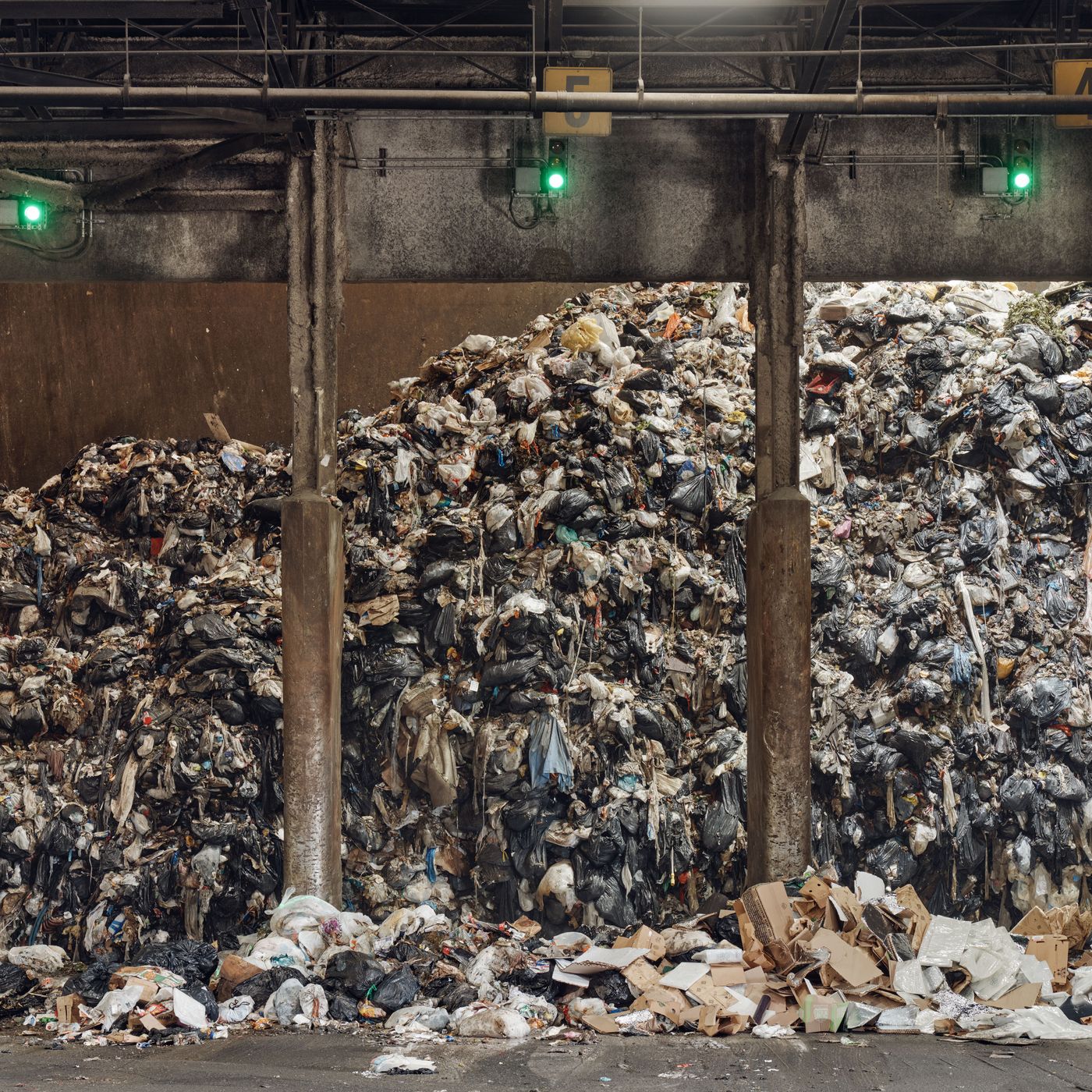
The Logistics of Collection: A City-Wide Operation
The sheer volume of waste generated by New York is staggering. Every day, the Department of Sanitation collects thousands of tons of refuse and recyclables. This massive operation is divided into community districts, each with its own schedule and collection routes. From the narrow alleyways of Little Italy to the sprawling avenues of Queens, the process relies on a delicate balance of timing and space.
The Role of Transfer Stations
Once the garbage trucks finish their routes, they do not head directly to a landfill. Instead, they deposit their loads at a network of local transfer stations. These facilities serve as the city’s primary consolidation points. Here, the loose trash is compacted and moved into massive shipping containers. These containers are essential because they allow the city to transition from street-level truck transport to more efficient long-haul methods, such as rail or barge.
Sorting the Stream
Not everything is destined for a landfill. Before moving out of the city, much of the waste passes through sorting facilities. Here, automated belts and manual labor work to extract paper, glass, plastic, and metal. By separating these recyclables at the source—or as close to the source as possible—the city aims to reduce the weight of material that must be transported long distances, aligning with broader sustainability goals aimed at protecting the local environment of New York State.
The Long Journey Out: Exporting Waste
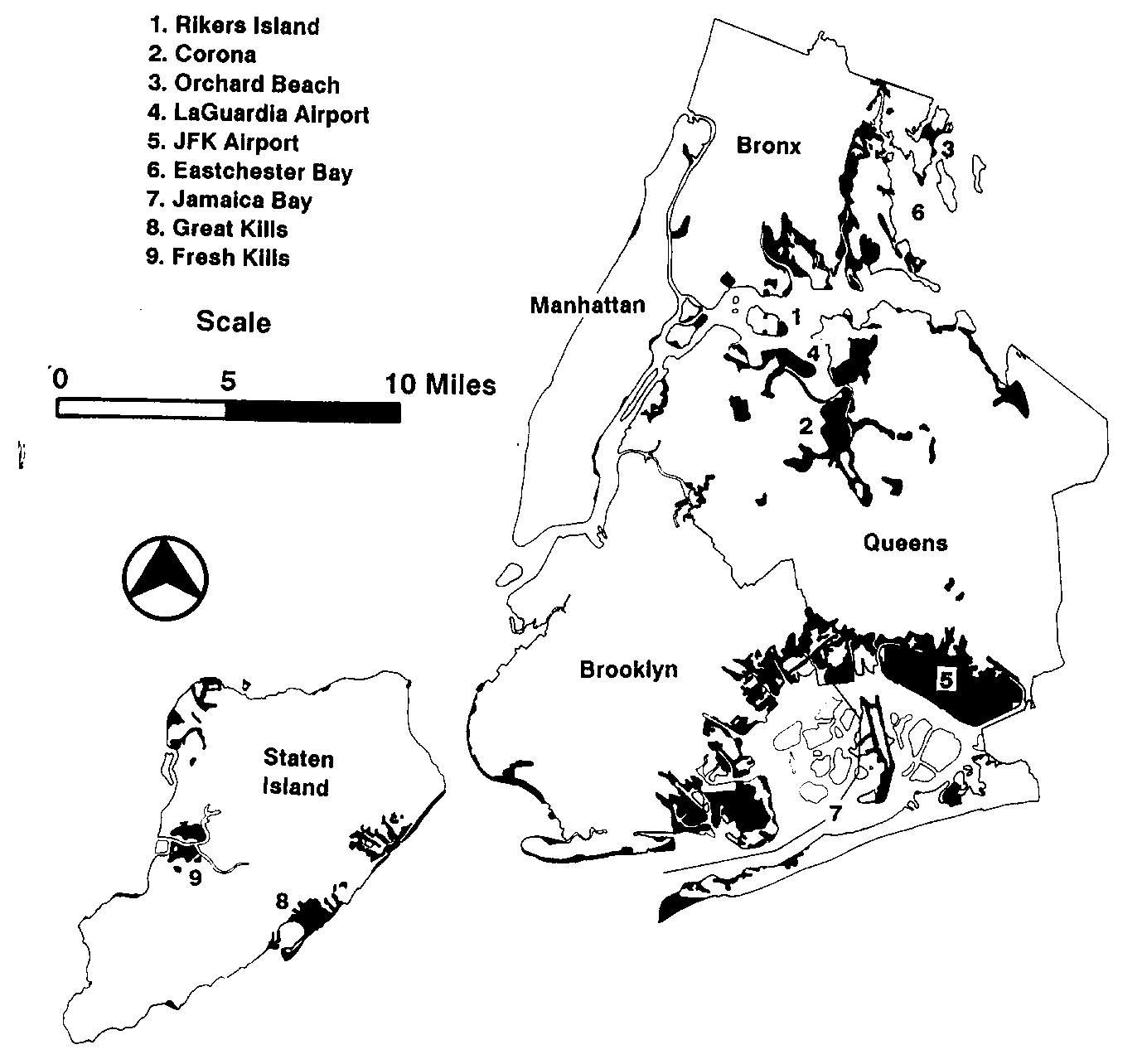
Since the closure of the Fresh Kills Landfill on Staten Island in 2001, New York City no longer has an active landfill within its five boroughs. This administrative shift necessitated a radical change in waste management. Today, nearly every pound of trash that cannot be recycled is exported out of the city, embarking on a journey that can span hundreds of miles.
The Rail Advantage
Rail transport has become the backbone of the city’s export strategy. Shipping containers filled with municipal waste are loaded onto trains at specialized marine transfer stations located along the Hudson River and the East River. These trains travel through the Northeast region, eventually reaching massive regional landfills in states such as Virginia, Pennsylvania, and South Carolina.
The Financial and Environmental Cost
The logistical cost of moving waste out of New York is immense. The city spends hundreds of millions of dollars annually on transport contracts. Beyond the fiscal impact, there is the environmental footprint associated with long-haul trucking and rail transport. This reliance on export highlights the challenges of urban density; as the population grows, the demand for sophisticated waste management infrastructure only intensifies.
Managing Organic Waste and Sustainability
In recent years, the discourse around waste in New York has shifted toward reduction and circularity. Organic waste, which accounts for a significant portion of the city’s residential trash, is a primary target for diversion. By keeping food scraps out of the general waste stream, the city hopes to reduce methane emissions—a potent greenhouse gas produced when organic matter decomposes in landfills.
Composting Initiatives
Programs like curbside composting have begun to change how residents interact with their waste. By providing specialized bins for food scraps, the city turns potential refuse into nutrient-rich compost, which can then be used in community gardens across The Bronx and beyond. This decentralized approach turns a waste management challenge into a community-building tool, fostering a greater appreciation for the local ecosystem.
Energy Recovery
For waste that cannot be recycled or composted, there is the possibility of Waste-to-Energy (WTE) processing. While the city has limited capacity within its borders, it contracts with facilities elsewhere that burn non-recyclable materials to generate electricity. This process significantly reduces the volume of the waste and provides a source of power for the regional grid, though it remains a subject of ongoing debate among environmental advocates regarding emissions and public health.
The Future of Refuse in the Metropolis
The future of waste in New York is inextricably linked to the city’s climate goals. The “Zero Waste” initiative is the guiding star for city planners, aiming to divert the vast majority of waste from landfills by mid-century. To achieve this, the city is exploring innovative technologies, including automated vacuum collection systems for new developments and stricter regulations for commercial waste haulers.
The Resident’s Role
Every visitor wandering through Times Square or Central Park contributes to the waste stream. However, the cultural shift toward sustainability is becoming a visible part of the city’s identity. From the increased availability of public recycling bins to the growing number of zero-waste shops, the residents of New York are increasingly conscious of their environmental footprint.
A Global Perspective
Ultimately, the question of where New York trash goes is a lesson in global urban management. No major city can truly “dispose” of its waste; it only relocates it. By acknowledging the journey of that discarded coffee cup or plastic wrapper, we gain a deeper understanding of the infrastructure that allows New York to remain the cultural and economic capital of the United States. As the city continues to evolve, the challenge remains to find more efficient, sustainable, and transparent ways to manage the byproduct of life in the most vibrant urban center in the world.
LifeOutOfTheBox is a participant in the Amazon Services LLC Associates Program, an affiliate advertising program designed to provide a means for sites to earn advertising fees by advertising and linking to Amazon.com. Amazon, the Amazon logo, AmazonSupply, and the AmazonSupply logo are trademarks of Amazon.com, Inc. or its affiliates. As an Amazon Associate we earn affiliate commissions from qualifying purchases.