
Located at the very southern tip of the island of Manhattan, Battery Park serves as the historic and geographic anchor of New York City. This expansive 25-acre public space is not merely a park; it is a gateway to the maritime heritage of the United States. For those navigating the dense grid of the Financial District, the park offers a necessary reprieve of greenery, salt air, and panoramic views of the harbor.
Geography and Accessibility of the Battery
Understanding the exact location of this landmark is essential for any visitor planning a trip to New York. The park sits at the confluence of the Hudson River and the East River, meeting at the iconic New York Harbor.

Navigating to the Park
The easiest way to reach the site is through the extensive New York City Subway system. The South Ferry station, serviced by the 1 train, puts visitors directly at the park entrance. Alternatively, the R and W trains stop at the Whitehall Street station, just a short walk from the Staten Island Ferry terminal and the park’s main pathways.
For those arriving by bus or bicycle, the Manhattan Waterfront Greenway provides a seamless, traffic-free route that terminates right at the edge of the park. Once you reach the southernmost point of the city, the landscape transitions from the towering skyscrapers of Wall Street to the wide, open vistas of the Atlantic Ocean.
Historical Significance and Landmarks
The name “The Battery” is derived from the artillery batteries that were positioned here by the Dutch and British to defend the harbor. Over centuries, the area has evolved from a military fortification to a bustling center of commerce, immigration, and public recreation.
Castle Clinton National Monument
Perhaps the most significant structure within the park is Castle Clinton National Monument. Originally built in 1811 to protect the city from potential British naval attacks during the War of 1812, the structure has served many purposes, including as an aquarium and an immigration landing station before Ellis Island was established. Today, it stands as a rugged sandstone reminder of early American defense.
SeaGlass Carousel
Adding a touch of modern whimsy to the park’s historic landscape is the SeaGlass Carousel. Unlike traditional carousels, this attraction is inspired by the park’s history as the home of the first New York Aquarium. Visitors ride in illuminated glass fish, mimicking the movement of aquatic life, creating a sensory experience that pays homage to the park’s maritime proximity.
Gateway to National Icons
One of the primary reasons visitors travel to this specific location is its role as the embarkation point for ferries heading to two of the most iconic symbols of American identity.
The Statue of Liberty
The Statue of Liberty has stood as a beacon of freedom in the harbor since 1886. The ferry service operating from Battery Park City provides the only direct boat access to Liberty Island. Standing at the water’s edge in the park, one can capture the perfect silhouette of Lady Liberty against the backdrop of the New Jersey skyline.
Immigration History at Ellis Island
Adjacent to the statue is Ellis Island National Museum of Immigration. Between 1892 and 1954, over 12 million immigrants passed through this gateway to enter the country. The proximity of the park to this historic site makes it a poignant starting point for families tracing their genealogy or travelers interested in the foundational history of the United States of America.
The Evolution of Battery Park City
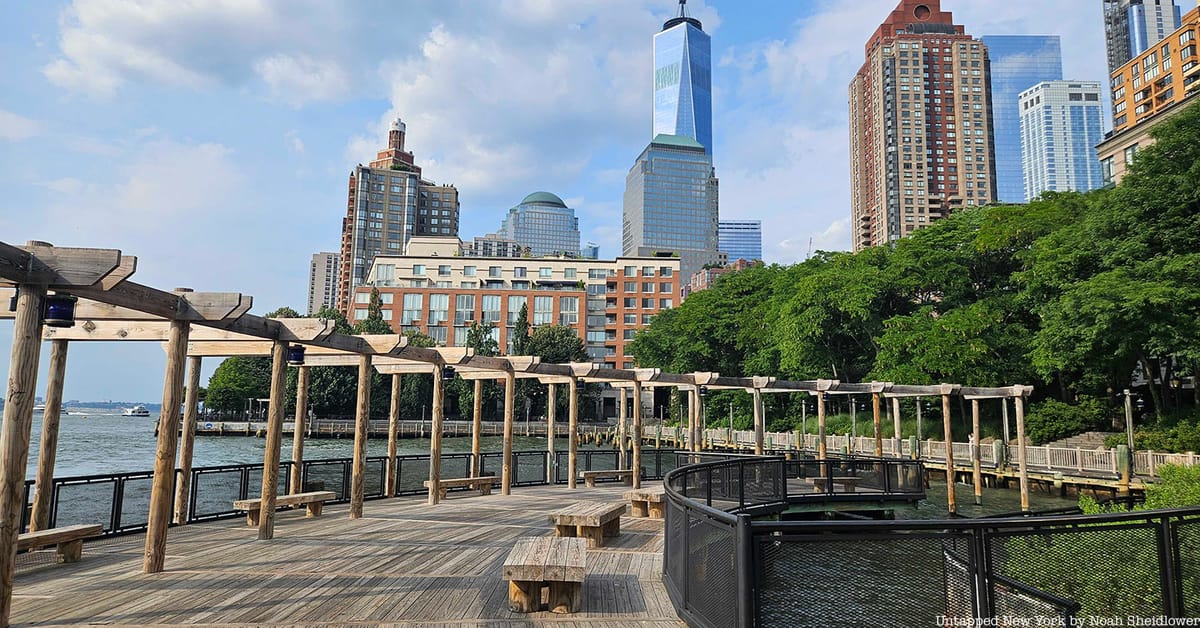
While the historic park is the focal point, the adjacent neighborhood of Battery Park City represents a triumph of urban planning. Created in the 1970s and 80s using fill dredged from the construction of the original World Trade Center, the neighborhood is an oasis of residential architecture and lush, manicured gardens.
Parks and Recreation
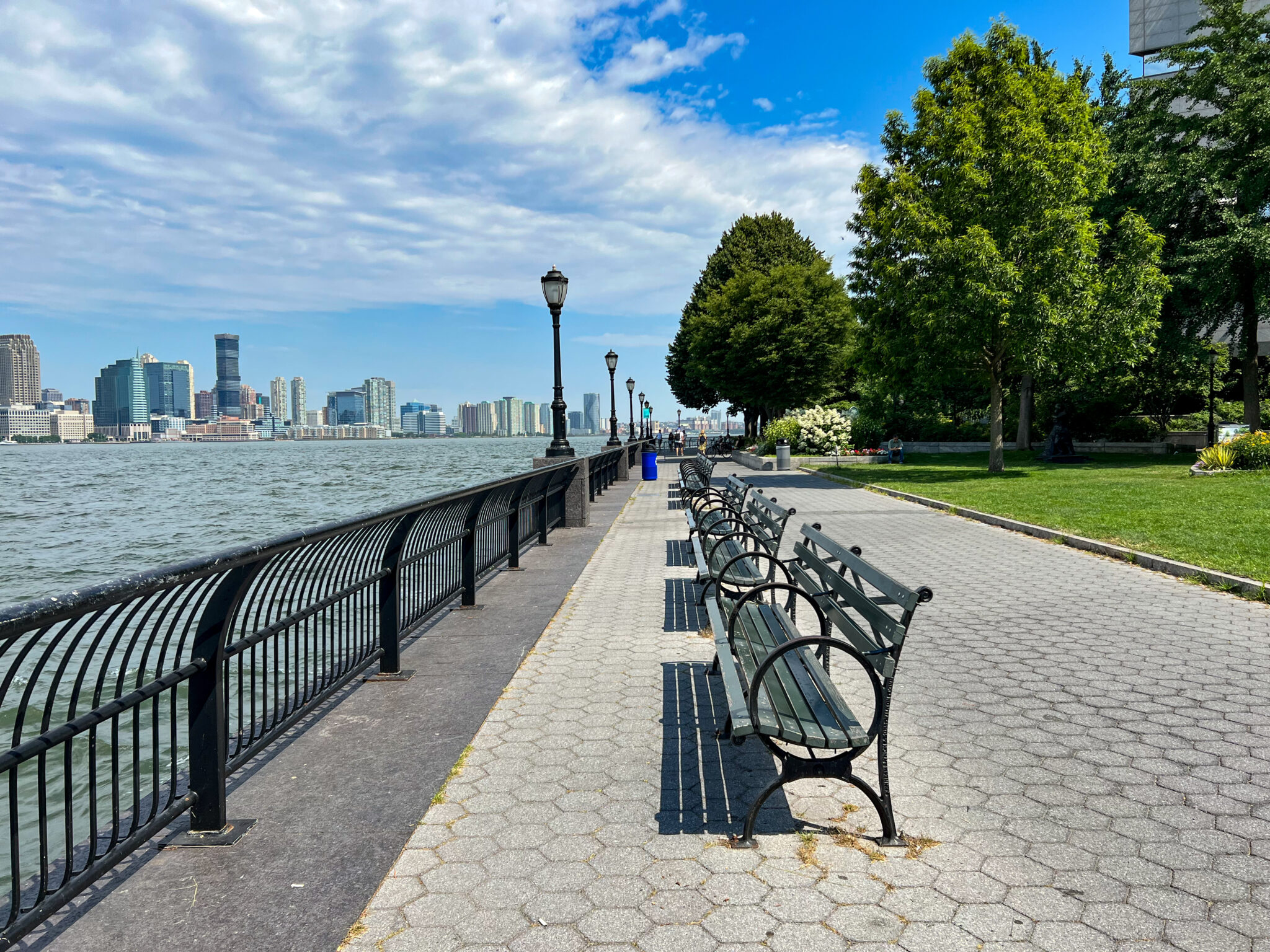
Visitors walking north from the main park will find themselves wandering through a series of interconnected green spaces, including:
- The Esplanade: A wide, paved path that stretches along the water, offering uninterrupted views of the Hudson River.
- Robert F. Wagner Jr. Park: Known for its sweeping lawns that are perfect for picnics and unobstructed views of New York Harbor.
- Rockefeller Park: A family-friendly area featuring playgrounds and expansive meadows that sit in the shadow of modern luxury apartment buildings.
Architectural Modernism
The residential blocks here differ significantly from the classic brownstones found in Brooklyn or the skyscrapers of Midtown. Architects prioritized natural light and greenery, leading to a neighborhood that feels disconnected from the chaotic energy of the nearby Business District. It is a prime example of how sustainable urban development can reclaim industrial waterfronts for public use.
Tips for Visiting the Area
To make the most of a visit to the southernmost tip of Manhattan, it is important to plan ahead. The area is heavily frequented by tourists, especially during the summer months.
- Timing: Aim to arrive early in the morning, around 8:00 AM or 9:00 AM. This avoids the heavy crowds that form for the Statue of Liberty ferries and allows for a peaceful walk along the water before the day’s heat sets in.
- Walking Gear: The park and its adjacent paths cover a significant distance. Comfortable walking shoes are a necessity. The ground is largely flat, but the sheer size of the area means a visit can easily turn into several miles of walking.
- Dining: While there are several kiosks within the park, the Financial District and Tribeca offer a wide array of high-end dining and casual eateries just a short walk away. For those looking for a unique atmosphere, the Staten Island Ferry terminal area offers quick bites that cater to the constant flow of commuters.
- Educational Resources: Stop by the visitor center at Castle Clinton National Monument to pick up a map. The park rangers are an excellent resource for information regarding the history of the Battery and current events taking place in the park.
Whether you are interested in the colonial history of the United States, the maritime beauty of New York Harbor, or simply looking for the best place to view the sunset in New York City, this landmark remains an essential stop. It is the point where the city meets the sea, a place where history and modern life coexist at the very edge of the map.
LifeOutOfTheBox is a participant in the Amazon Services LLC Associates Program, an affiliate advertising program designed to provide a means for sites to earn advertising fees by advertising and linking to Amazon.com. Amazon, the Amazon logo, AmazonSupply, and the AmazonSupply logo are trademarks of Amazon.com, Inc. or its affiliates. As an Amazon Associate we earn affiliate commissions from qualifying purchases.