
For art enthusiasts and urban explorers visiting New York, the city is a living, breathing canvas. Among the thousands of murals, tags, and installations scattered across the five boroughs, few possess the historical weight and cultural significance of Keith Haring’s iconic “Crack Is Wack” mural. Far from a hidden gallery piece, this mural serves as a vibrant, social-justice-oriented landmark that anchors a specific corner of East Harlem.
The Location of the Mural
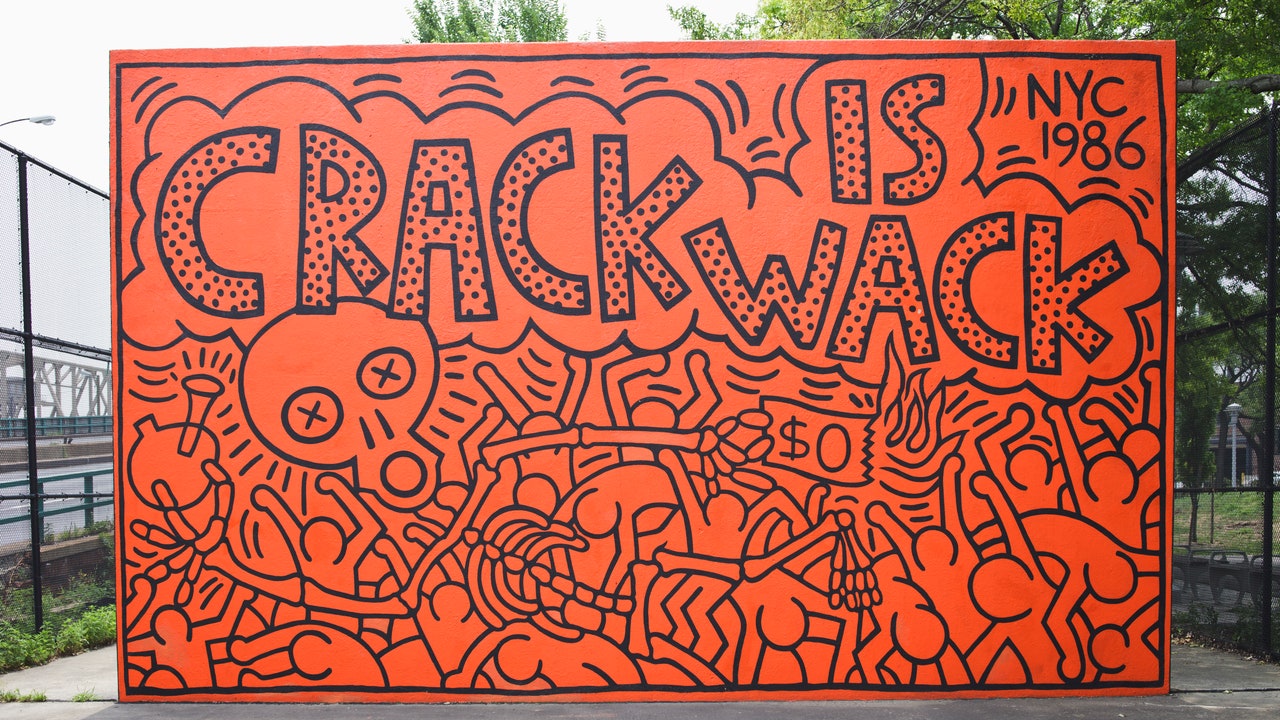
The “Crack Is Wack” mural is located at the intersection of East 128th Street and Second Avenue in Manhattan. Specifically, it adorns the northern wall of a handball court inside the Crack Is Wack Playground.
Navigating to East Harlem
To reach this site, travelers typically take the 4, 5, or 6 subway lines to the 125th Street station. From there, it is a short, brisk walk through the streets of Harlem. Unlike the highly commercialized street art found in Bushwick or Williamsburg, the “Crack Is Wack” mural remains tucked away in a neighborhood park, maintaining a community-centric atmosphere. Visitors should keep in mind that this is a functional public park, and while it is a major destination for art lovers, it is also a space for local children and athletes.
Best Time for Photography
Because the mural is painted on an exterior wall facing outward toward the street, it is accessible 24 hours a day. However, for the best light and to avoid the obstruction of parked cars or playing athletes, early morning is the ideal time to visit. The natural light hitting the wall provides excellent opportunities for high-quality photography without the density of New York City traffic.
The History and Evolution of the Piece
The origin of the mural is as storied as the artist himself. Painted by Keith Haring in 1986, the work was a direct, spontaneous reaction to the escalating crack cocaine epidemic that was devastating urban centers across The United States.
Spontaneous Activism
Haring did not seek permission to paint the wall the first time. Disturbed by the impact the drug was having on his friends and neighbors, he drove to the playground and painted the massive, brightly colored mural in a single afternoon. His bold, cartoonish style—characterized by thick black outlines and vibrant colors—made the message “Crack Is Wack” instantly recognizable and impossible to ignore.
Legal Battles and Restoration
Shortly after completing the work, Haring was arrested for graffiti, though the charges were eventually dropped due to the mural’s popularity and the positive community response. Over the decades, the mural has been restored multiple times. The New York City Department of Parks and Recreation has worked in collaboration with the Keith Haring Foundation to ensure the colors remain sharp and the message persists for new generations. These restorations have helped the site transition from a temporary protest piece into a protected historical landmark of American street art.

The Cultural Significance of Street Art in New York
Street art in New York City is rarely just decoration; it is a ledger of the city’s social, political, and economic evolution. “Crack Is Wack” stands as a prime example of art acting as a catalyst for public conversation.
The Mural as a Warning and a Monument
In the 1980s, the mural served as a stern warning regarding the dangers of addiction. Today, it serves as a monument to the resilience of a neighborhood that endured the crack epidemic and emerged on the other side. It represents a time when art was the primary medium for addressing public health crises, long before the digital age allowed for instantaneous awareness campaigns.
Comparing Street Art Landscapes
When visiting New York, one can see a stark contrast between different districts of street art. While the Lower East Side and SoHo have seen an influx of commissioned, mural-festival-style art that is often tied to luxury branding, the “Crack Is Wack” mural retains the raw, grit-and-glory aesthetic of old-school New York. It remains untarnished by commercialism, representing the grassroots activism that historically defined the city’s underground culture.
Tips for the Urban Explorer
If you are planning a trip to see this legendary mural, consider combining your visit with other cultural touchstones nearby.
Walking Tour Recommendations
- The Apollo Theater: Just a short distance away, this historic venue in Harlem is essential for those interested in the musical history of New York.
- The Studio Museum in Harlem: A premier institution for artists of African descent, providing a deeper context to the creative spirit of the neighborhood.
- Marcus Garvey Park: An excellent spot to rest after walking through the northern reaches of Manhattan, offering a glimpse into the local lifestyle and community gatherings.
Respecting the Space
As a traveler, it is crucial to remain respectful of the local neighborhood. The mural is located in a residential, working-class area. While it is a global landmark, it is also a vital piece of the local landscape. Ensure that you are not blocking access to the handball courts for those who use them, and always dispose of any trash properly. The longevity of this piece depends on the community’s willingness to host it, and the respect shown by visitors plays a major role in keeping public art accessible.

Why This Site Remains a Must-See
Ultimately, “Crack Is Wack” is not merely a photo opportunity for social media; it is a pilgrimage site for anyone who values the intersection of art and social reform. It captures the spirit of Keith Haring—an artist who believed that art should be for everyone and should exist in the public sphere, not behind the closed doors of an elite institution.
Visiting this wall allows a tourist to connect with the authentic pulse of New York. It reminds the viewer that the city’s greatness is derived not just from its skyscrapers or its Fifth Avenue stores, but from the voices that once rose up against adversity to paint their message on a simple handball court wall. When you look at those bold letters, you are looking at a fragment of New York history that refuses to be erased, proving that even a temporary spray-painted message can become an eternal cultural icon.
LifeOutOfTheBox is a participant in the Amazon Services LLC Associates Program, an affiliate advertising program designed to provide a means for sites to earn advertising fees by advertising and linking to Amazon.com. Amazon, the Amazon logo, AmazonSupply, and the AmazonSupply logo are trademarks of Amazon.com, Inc. or its affiliates. As an Amazon Associate we earn affiliate commissions from qualifying purchases.