
Located directly across the East River from Manhattan, Long Island City occupies the westernmost tip of the borough of Queens. Often misunderstood due to its name, this vibrant neighborhood is not actually on Long Island, but rather serves as a bustling gateway to New York City. Over the last two decades, it has transformed from an industrial manufacturing hub into one of the fastest-growing residential and cultural districts in the entire city.
For those planning a visit, understanding the geography of this area is essential. It is bounded by Astoria to the north, Greenpoint and Williamsburg in Brooklyn to the south, and the Sunnyside neighborhood to the east. Its proximity to the Midtown business district makes it an ideal home base for travelers seeking a more relaxed pace while maintaining easy access to the heart of the metropolis.
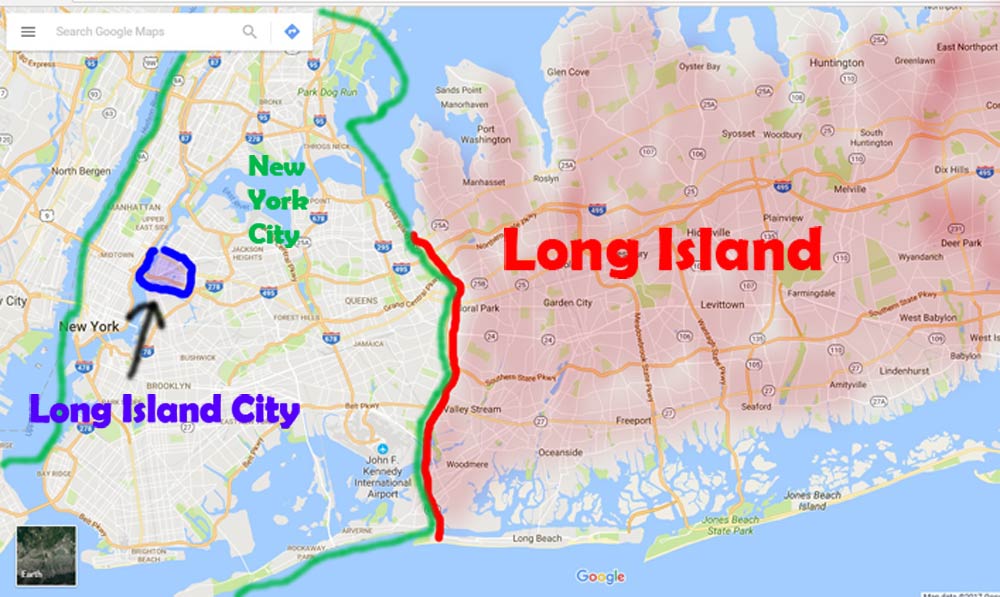
Uncovering the Neighborhood Layout and Accessibility
The geography of Long Island City is defined by its waterfront accessibility and its dense network of transit options. When navigating the area, visitors typically focus on three distinct zones: the Court Square commercial hub, the Hunters Point waterfront, and the industrial-chic Dutch Kills section.
Connectivity to Manhattan
One of the primary reasons travelers gravitate toward this location is the unparalleled transportation infrastructure. A short ride on the 7 Train puts visitors in Grand Central Terminal in roughly five to seven minutes. Additionally, the E Train, M Train, and R Train provide direct links to various parts of Manhattan, including the Financial District and Times Square. For those who prefer a scenic route, the NYC Ferry offers service from the Gantry Plaza State Park dock, allowing passengers to glide across the water toward Wall Street or East 34th Street with stunning views of the United Nations Headquarters.
Navigating Local Streets
The street grid in Long Island City can be somewhat complex due to its historic industrial roots. While the avenues are generally numbered, the intersection of diagonal thoroughfares like Jackson Avenue creates unique pockets of shops and cafes. Exploring the neighborhood on foot is the best way to uncover hidden murals and converted warehouse spaces that characterize the local atmosphere.
Cultural Landmarks and Artistic Significance
Long Island City is widely recognized as a premier destination for contemporary art. The concentration of studios and museums in the area rivals any other neighborhood in the city. A visit here is incomplete without immersing oneself in the creative energy that flows through the repurposed factory lofts.
The Museum Scene
The MoMA PS1, an affiliate of the Museum of Modern Art, stands as the cornerstone of the local art scene. Located in a repurposed public school building, it hosts cutting-edge exhibitions and serves as a vital platform for experimental artists. Just a short walk away, the Noguchi Museum offers a tranquil sanctuary dedicated to the works of Isamu Noguchi. The museum, designed by the artist himself, features an exquisite sculpture garden that serves as an oasis of calm amidst the bustling urban environment.

Architectural Evolution
Walking through the streets, visitors can witness the evolution of New York City architecture. From the iconic red-brick Pepsi-Cola Sign overlooking the river to the soaring glass residential towers that define the current skyline, the neighborhood tells a story of industrial resilience. Many of these older warehouses have been masterfully renovated into art galleries, performance spaces, and high-end residential lofts, preserving the historical character while embracing modern luxury.
Recreational Spaces and Waterfront Vistas
Despite its dense urban development, Long Island City boasts some of the most impressive waterfront parks in the five boroughs. These green spaces serve as the lungs of the neighborhood, providing residents and tourists alike with expansive views of the Manhattan Skyline.
Gantry Plaza State Park and Hunter’s Point South Park
These two connected parks are the crown jewels of the waterfront. Hunter’s Point South Park features modern playgrounds, a popular dog run, and a wide promenade that stretches along the East River. During the warmer months, these parks become a social hub where people gather for picnics, photography, and evening strolls. The views of the Chrysler Building and the Empire State Building at sunset are widely considered some of the most photogenic in New York City.
Riverside Amenities
Beyond the greenery, the waterfront is lined with a series of piers and recreational facilities. Visitors can rent kayaks, participate in outdoor fitness classes, or simply enjoy a quiet moment on the tiered seating that faces the water. This dedication to public space ensures that, despite its massive growth in high-rise construction, the area remains open, accessible, and inviting to all who visit.
Exploring Local Flavors and Culinary Hotspots
The culinary scene in Long Island City is as diverse as the population of Queens itself. Because of its proximity to Jackson Heights, the neighborhood benefits from a rich infusion of international cuisines, offering everything from high-end fusion dining to authentic regional street food.
The Rise of the Brewery District
Over the past decade, a cluster of craft breweries has established itself within the industrial pockets of the neighborhood. This “Brewery Row” has become a weekend destination for beer enthusiasts. Establishments like Rockaway Brewing Co and Big Alice Brewing offer a look into the local brewing process, often featuring outdoor seating where patrons can enjoy small-batch IPAs and lagers in a relaxed, communal setting.

Dining Experiences
The range of dining options is staggering. Along Vernon Boulevard, visitors will find a high concentration of sophisticated restaurants, wine bars, and cozy cafes. From authentic Thai eateries to upscale Italian bistros, the neighborhood caters to every palate. Whether seeking a quick brunch before heading into Manhattan or a long, multi-course dinner with views of the river, the culinary landscape here is designed to satisfy the diverse needs of both international tourists and discerning locals.
By focusing on these key aspects—transportation, culture, recreation, and gastronomy—travelers can easily navigate and appreciate the unique identity of this neighborhood. Long Island City is far more than just a convenient place to sleep; it is a destination that captures the dynamic spirit of modern New York City.
LifeOutOfTheBox is a participant in the Amazon Services LLC Associates Program, an affiliate advertising program designed to provide a means for sites to earn advertising fees by advertising and linking to Amazon.com. Amazon, the Amazon logo, AmazonSupply, and the AmazonSupply logo are trademarks of Amazon.com, Inc. or its affiliates. As an Amazon Associate we earn affiliate commissions from qualifying purchases.