
Nestled along the shimmering banks of the Long Island Sound, New Rochelle stands as a vibrant beacon of history, coastal beauty, and urban convenience. Positioned in the southern reaches of Westchester County, this city serves as a vital gateway between the bustling metropolis of New York City and the lush, suburban landscapes of the Hudson Valley. For travelers and prospective visitors, understanding exactly where this historic gem is located is the first step toward uncovering a destination that offers far more than just a convenient commute.
Geographical Positioning and Accessibility
The strategic location of New Rochelle is one of its most defining characteristics. Situated in the southeastern corner of New York State, the city enjoys a waterfront geography that has shaped its identity for over three centuries.

Proximity to Major Hubs
New Rochelle is ideally situated for those who wish to experience the excitement of a major city while maintaining proximity to the tranquil shores of the Atlantic coastline. Being part of the New York metropolitan area, it benefits from an extensive transit network. The city is a primary stop on the Metro-North Railroad, specifically the New Haven Line, which whisks passengers into Grand Central Terminal in under 40 minutes. This makes it an attractive base for those exploring the wider region, including neighboring towns like Larchmont and Pelham.
Coastal Geography
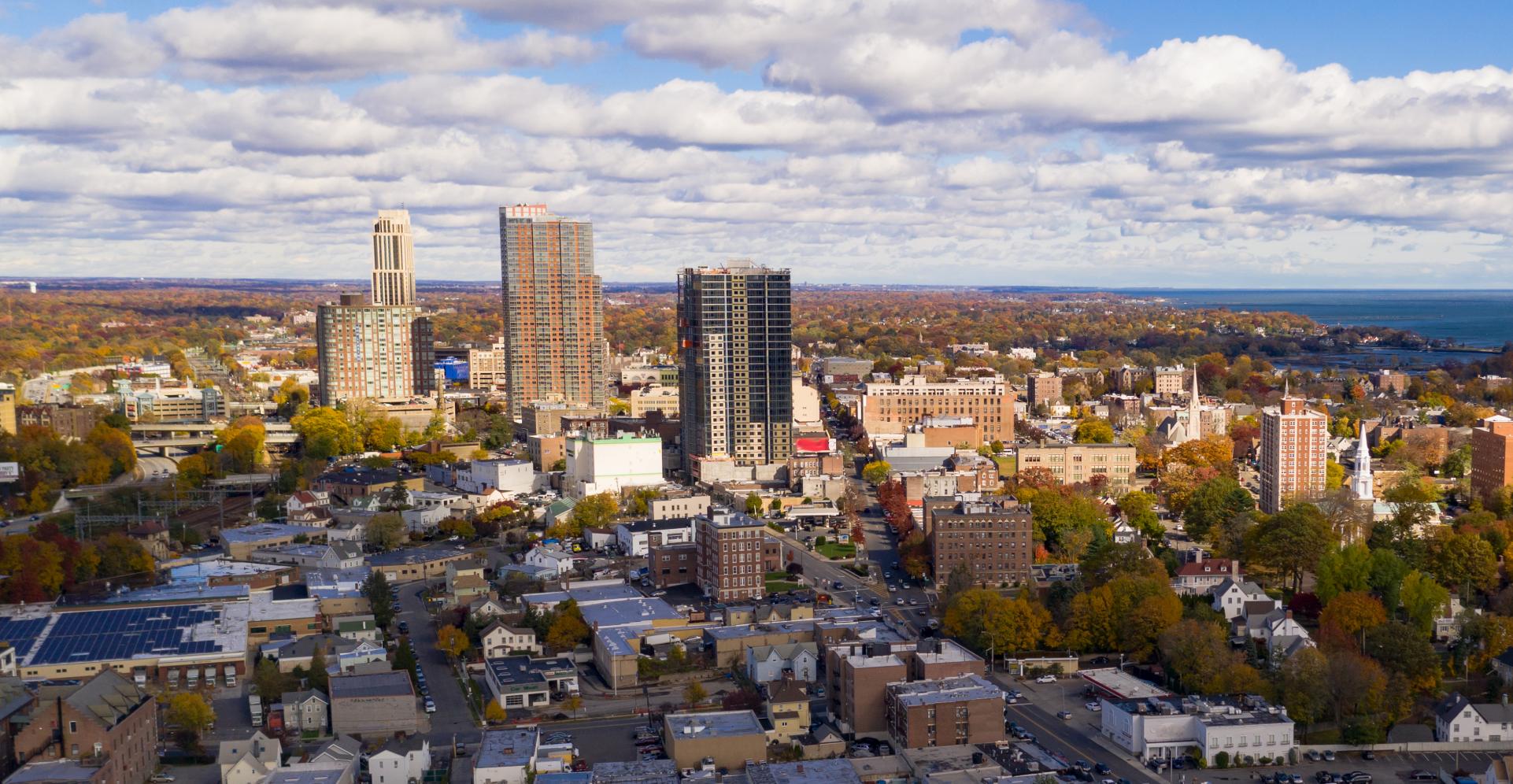
The city boasts an extensive shoreline that faces the Long Island Sound. This waterfront position is not just a scenic luxury; it has historically served as a critical hub for maritime commerce and recreation. From the bustling New Rochelle Marina to the quiet, rocky outcrops of Hudson Park, the geography of the city is defined by its intimate relationship with the water. Visitors often find that the best perspective of the city’s location is from the deck of a boat, looking back toward the skyline of the United States.
Historical Context of the Settlement
To understand where New Rochelle is, one must look at the historical forces that necessitated its creation. The city was famously founded by Huguenot refugees in the late 17th century. Seeking religious freedom, these settlers traveled from France and named their new home after La Rochelle, the French port city they had left behind.
The Huguenot Legacy
The choice of this specific location was intentional. The proximity to the coast provided access to trade routes and a climate somewhat reminiscent of their home country. Today, the influence of this era can still be found in the city’s architecture and street names. Walking through the Huguenot Historical District, visitors can see remnants of colonial structures that once stood as the focal point of this budding community.
Evolution into a Commuter Haven
Throughout the 19th and early 20th centuries, the location of New Rochelle became its greatest asset for residential growth. As the rail lines expanded, the city transitioned from a quiet agricultural and maritime hub into a thriving suburb for professionals working in the city. The integration of the New Haven Railroad solidified its status, drawing thousands of residents who valued the balance of coastal living with urban career opportunities.

Navigating the Diverse Neighborhoods
New Rochelle is not a monolith; it is a tapestry of distinct neighborhoods, each offering a different vantage point of the city’s overall geography.
Downtown and the Waterfront
The downtown area has seen a rapid transformation in recent years, with modern high-rises and mixed-use developments rising near the New Rochelle Transit Center. This area serves as the commercial heart of the city. A short distance away, the waterfront district offers a serene contrast. Here, the landscape is defined by luxury apartments and historical homes that command views of the sound. The Echo Bay area, in particular, represents the ongoing renewal of the city’s relationship with its shoreline.
Parks and Recreational Zones
The layout of the city includes several notable green spaces that anchor its residential zones. Glen Island Park is perhaps the most famous geographical feature within the city limits. Situated on an island in the Long Island Sound, it is connected to the mainland by a drawbridge and offers a unique recreational experience that feels worlds away from the urban grid. The geography of the park, with its manicured lawns and dramatic coastal views, provides a clear example of the natural beauty inherent to the location.
New Rochelle as a Gateway to Exploration
For those planning a trip, locating New Rochelle on a map is only the beginning. The city serves as a logical starting point for a variety of excursions.
The Sound Shore Experience
Traveling along the “Sound Shore,” as the region is locally known, allows visitors to explore the string of affluent and culturally rich communities that line the coast of New York State. From the boutiques in Bronxville to the shoreline trails in Mamaroneck, New Rochelle sits at the center of a well-connected coastal network.
Planning Your Arrival
Whether you are arriving by car via Interstate 95 or taking the train from Pennsylvania Station, the accessibility of the city is unmatched. Travelers should note that the city’s layout encourages a mix of walking and driving. The historic core near Main Street is highly pedestrian-friendly, while the coastal reaches are better explored by vehicle or bicycle.
Why Location Matters
The allure of New Rochelle lies in its “Goldilocks” geography: it is close enough to the epicenter of American culture to feel connected, yet separated by enough distance to offer a high quality of life, cleaner air, and a slower pace. It remains a place where the history of early American settlement meets the forward-looking energy of modern development.
In summary, New Rochelle occupies a prime slice of the Atlantic Coast. It is a city defined by its relationship to the water, its historical roots, and its strategic placement within one of the most vibrant regions in the world. For anyone wondering where they should position themselves for a balanced, rich, and historically significant trip to the northern suburbs of New York, New Rochelle provides an answer that is as clear as the view from its waterfront parks.
LifeOutOfTheBox is a participant in the Amazon Services LLC Associates Program, an affiliate advertising program designed to provide a means for sites to earn advertising fees by advertising and linking to Amazon.com. Amazon, the Amazon logo, AmazonSupply, and the AmazonSupply logo are trademarks of Amazon.com, Inc. or its affiliates. As an Amazon Associate we earn affiliate commissions from qualifying purchases.