
Many travelers, when looking at a map of New Jersey, are often momentarily confused by the name West New York. It sounds like a western neighborhood of New York City, yet it sits firmly on the west bank of the Hudson River. Understanding the geography, history, and distinct personality of this vibrant town is essential for anyone looking to explore the hidden gems located just across the water from the bustling skyscrapers of Manhattan.
Geographical Context and Accessibility
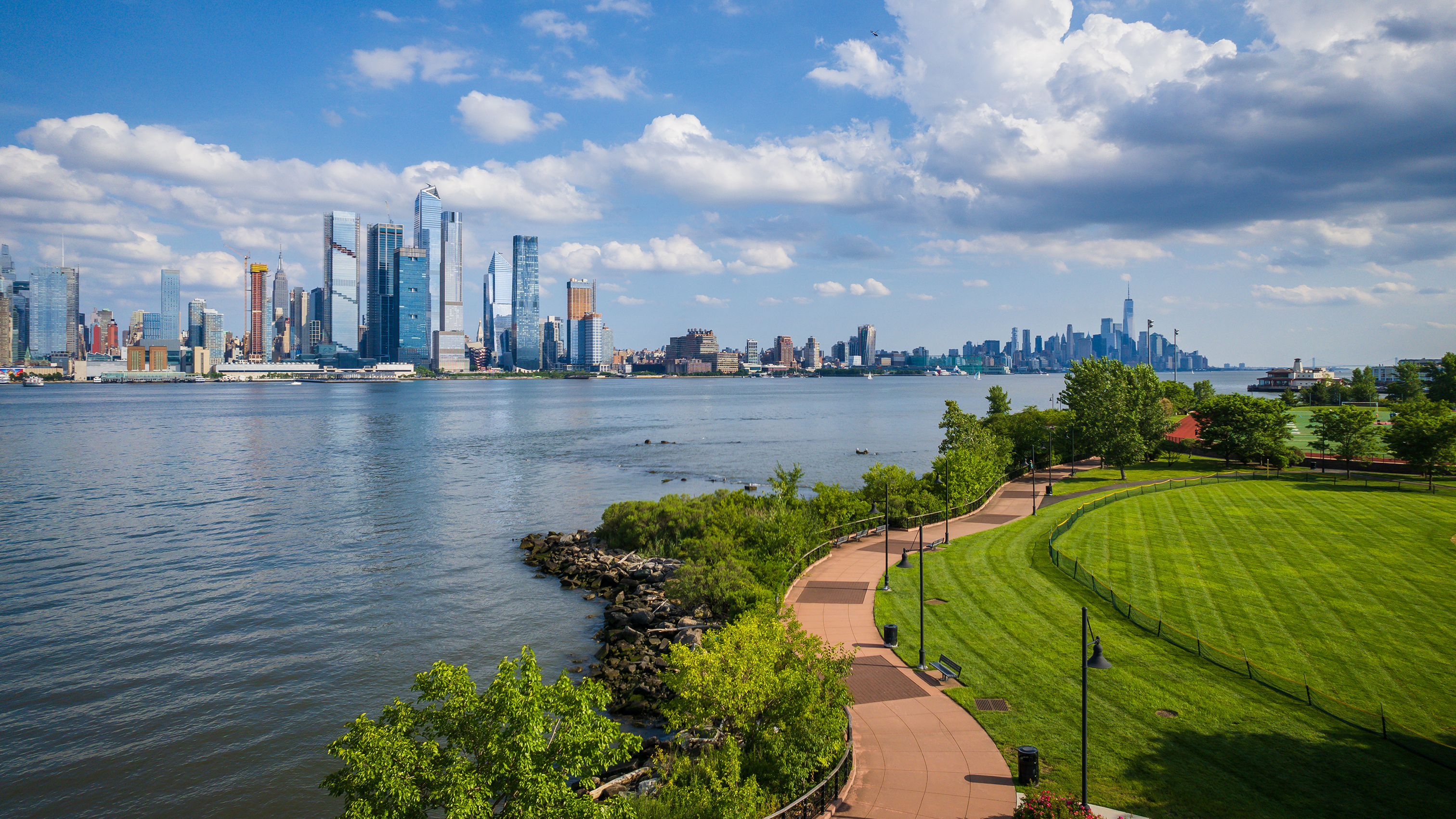
The primary confusion regarding the location of West New York stems from its name. Despite the reference to the “Big Apple,” the town is a municipality in Hudson County, situated on the famous New Jersey Palisades. This elevated position provides some of the most dramatic and unobstructed views of the New York City Skyline that one can find in the entire region.

The Waterfront Connection
The town stretches along the Hudson River Waterfront, creating a natural boundary between New Jersey and New York. This proximity makes it a strategic hub for commuters and travelers alike. The NY Waterway ferry terminal provides direct access to Midtown Manhattan, turning what would be a long trek through bridge traffic into a scenic, fifteen-minute boat ride.
Neighboring Municipalities
West New York is bookended by other significant urban centers. To the north, it shares a border with Guttenberg, while to the south lies the town of Weehawken. To the west, the town transitions into the denser urban fabric of North Bergen. Because of this tight-knit geography, visitors often find themselves crossing municipal lines without even realizing it, as the entire Hudson County coastline feels like one continuous, bustling urban corridor.
A History Rooted in Transformation
The evolution of West New York is a fascinating study in American industrial and demographic shifts. Originally settled by farmers and later becoming a hub for the embroidery industry, the town has seen its identity shift several times over the last century.
From Industry to Residential Hub
In the mid-20th century, the waterfront was dominated by industrial piers and warehouses. As manufacturing left the region, the area underwent a massive revitalization. Today, those former industrial zones have been replaced by high-end residential developments, parks, and retail spaces. This shift has elevated the profile of West New York, attracting a diverse population that appreciates the proximity to Wall Street without the New York City price tag.
Cultural Evolution
The town is famously known for its rich Latin American influence, particularly its deep ties to the Cuban community. Walking down Bergenline Avenue—the longest commercial street in the state—visitors are immediately immersed in the vibrant sounds, scents, and flavors of the culture. It is this unique demographic profile that has made West New York a destination for those seeking authentic culinary experiences that are increasingly rare in more gentrified urban zones.
Exploring the Local Landscape
For a visitor, West New York is more than just a transit point; it is a destination filled with parks and local landmarks that highlight the natural beauty of the Palisades.
The Waterfront Park Experience
The West New York Waterfront Park is the crown jewel of the town. Stretching along the river, this green space offers a pedestrian-friendly promenade that is perfect for jogging, cycling, or simply watching the New York City ferry boats cross the water. On a clear day, the reflection of the Empire State Building on the Hudson River creates a postcard-worthy scene that many travelers miss by staying strictly on the Manhattan side.
Architectural Landmarks
While the town is largely residential, the architecture along the heights provides a window into the past. Several historic buildings, including churches and early 20th-century brick apartment houses, tell the story of the town’s rapid growth during the period of heavy immigration. A walk through the side streets away from the main thoroughfare reveals a quiet, neighborhood charm that stands in stark contrast to the hectic pace of the nearby metropolis.
Culinary Delights and Local Culture
If you are wondering what to do once you have located the town, the answer almost always involves food. The culinary scene in West New York is perhaps the most compelling reason for tourists to venture across the river.
The Flavors of Bergenline Avenue
Bergenline Avenue is the heartbeat of the local economy. It is packed with family-owned bakeries, authentic Cuban sandwich shops, and traditional South American eateries. Unlike the high-priced, polished restaurants in Manhattan, the food here is characterized by heart, tradition, and an unmatched commitment to flavor.

Essential Tips for the First-Time Visitor
- Time your visit: Visiting during the day allows for the best views of the skyline, but visiting during the evening on the waterfront offers a magical view of the city lights across the Hudson River.
- Use the public transit: While New York City is famous for its subway, the best way to move around Hudson County is by the New Jersey Transit bus system, which runs frequently along the major corridors.
- Walkability: While the waterfront is flat and easy to traverse, the town itself is built on a steep hill. Be prepared for a bit of a workout if you decide to walk from the river level up to Bergenline Avenue.
Ultimately, West New York serves as a vital perspective on the New York City metropolitan area. It is a place where you can look directly at the center of the world while maintaining the comfort, community, and affordability of a smaller, tight-knit town. Whether you are a foodie looking for the perfect pastry, a photographer chasing the best skyline shot, or a traveler wanting to escape the tourist traps of Times Square, this New Jersey gem offers an authentic experience that defines the true essence of the New York region.
LifeOutOfTheBox is a participant in the Amazon Services LLC Associates Program, an affiliate advertising program designed to provide a means for sites to earn advertising fees by advertising and linking to Amazon.com. Amazon, the Amazon logo, AmazonSupply, and the AmazonSupply logo are trademarks of Amazon.com, Inc. or its affiliates. As an Amazon Associate we earn affiliate commissions from qualifying purchases.