
Williamsburg, a neighborhood that has evolved from an industrial hub into a global icon of cool, is located in the northern section of the borough of Brooklyn. Situated directly across the East River from Manhattan, its prime geographic position provides one of the most breathtaking views of the New York City skyline. For travelers and locals alike, identifying the precise location of Williamsburg is the first step in understanding its unique rhythm, which blends historic charm with a hyper-modern urban aesthetic.
Navigating the Geography of Brooklyn’s Creative Hub
Understanding where Williamsburg sits within the larger map of New York requires looking at its borders. The neighborhood is bounded by Greenpoint to the north, the Brooklyn-Queens Expressway to the east, and Bedford-Stuyvesant to the south. Because of this strategic placement, the area functions as a gateway for those traveling between the dense urban core of the city and the more residential stretches of northern Brooklyn.

Accessing the Neighborhood
For visitors arriving from other boroughs, the accessibility of Williamsburg is one of its most defining traits. The primary artery for commuters and tourists is the L Train, which connects Williamsburg directly to Union Square in Manhattan. Stations like Bedford Avenue place passengers in the absolute heart of the neighborhood’s commercial and cultural activity.
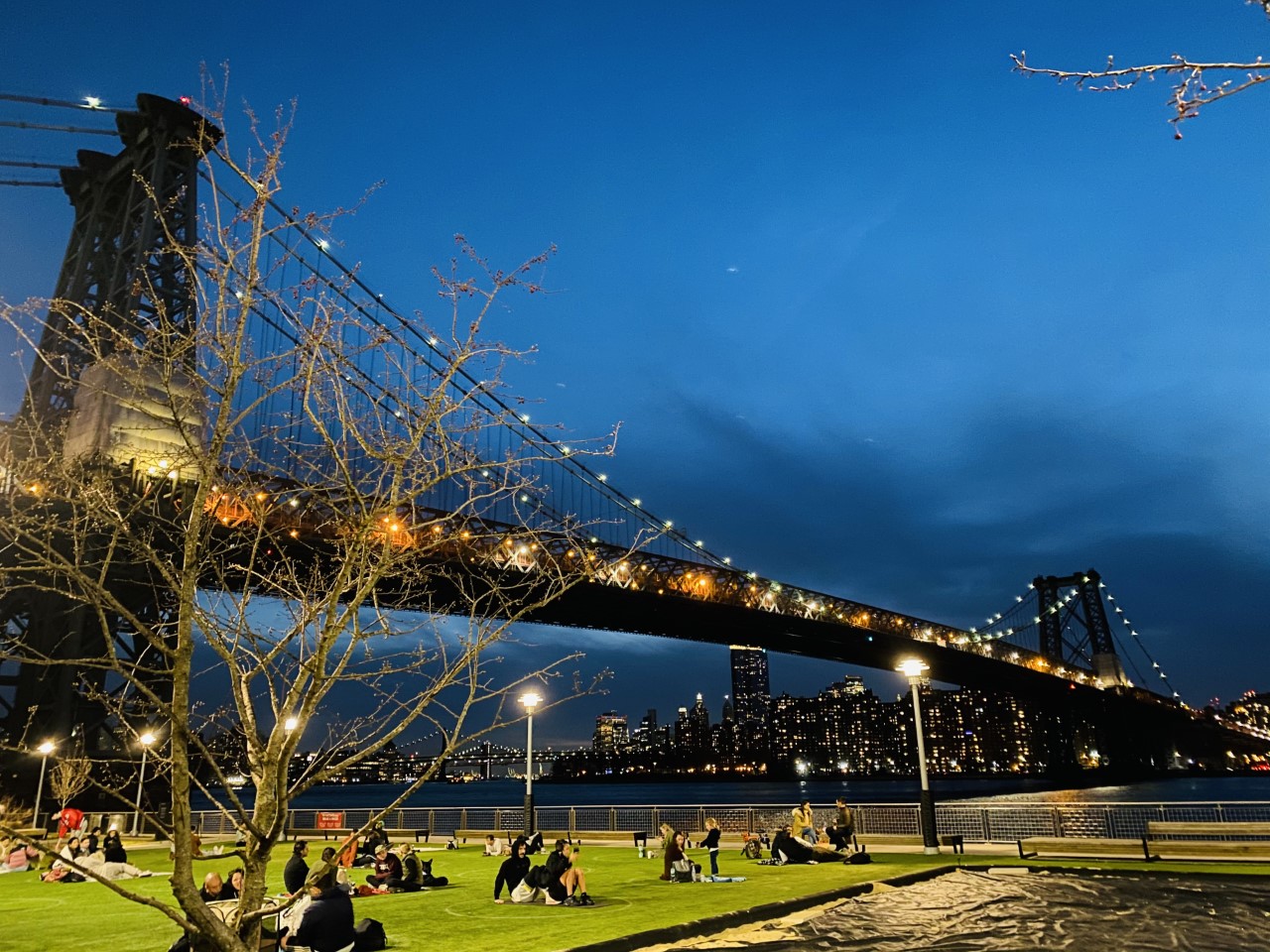
Additionally, the East River Ferry provides a scenic, highly efficient alternative to the subway. By docking at North Williamsburg or South Williamsburg, travelers can experience the skyline from the water, a perspective that highlights the neighborhood’s proximity to landmarks such as the Williamsburg Bridge. Crossing this bridge on foot or by car remains one of the most iconic ways to enter the neighborhood, offering a distinct vantage point of the industrial heritage that once defined this waterfront.
The Dual Identity of the Waterfront and the Interior
When people ask where Williamsburg is, they are often really asking where the “action” is. The geography of the neighborhood is essentially split between the bustling, high-energy waterfront and the more historic, tree-lined residential blocks further inland.
The Waterfront Renaissance
The development along the water has transformed the skyline. Projects like Domino Park—built on the site of the former Domino Sugar Refinery—have turned an industrial wasteland into a premium public space. Here, the geography of the neighborhood serves the community, offering a long stretch of green space that looks directly back toward the skyscrapers of Midtown Manhattan.

The Interior Streets
Moving inward toward Bedford Avenue and Berry Street, the atmosphere shifts. The street layout in Williamsburg is reflective of 19th-century urban planning, characterized by rows of brownstones and converted lofts. While the waterfront is defined by glass-and-steel architecture, these interior blocks offer a sense of intimacy and history that is quintessential to the United States northeastern urban experience. It is here that travelers discover the local boutiques, coffee roasters, and independent galleries that have cemented the area’s reputation as a creative capital.
A Destination for Every Traveler
Williamsburg is not merely a geographic coordinate; it is a destination with a specific gravity. It attracts a diverse mix of tourists who are interested in the juxtaposition of old and new. Because of its location relative to other major hubs, it serves as an excellent base for those who want to experience the city while enjoying a slightly slower pace than one might find in Times Square.
Strategic Proximity
If you are planning an itinerary, it is helpful to note that Williamsburg acts as a buffer zone. It is close enough to Bushwick—known for its vibrant street art scene—to make an afternoon trip simple, yet it remains firmly connected to the cultural powerhouses of lower Manhattan. This makes it an ideal central point for travelers looking to explore the diverse neighborhoods that make the Borough of Brooklyn so famous.
Seasonal Geography
The location of the neighborhood also dictates its appeal throughout the seasons. During the warmer months, the outdoor venues and open-air markets, such as Smorgasburg, take advantage of the expansive waterfront parks. These events are strategically located to pull visitors toward the riverfront, highlighting the geographical benefit of having such wide-open spaces in a densely populated metropolis. In the winter, the focus shifts inward to the cozy cafes and restaurants that populate the central avenues, proving that the neighborhood’s “location” is as much about the indoor culture as it is about the physical landscape.
Planning Your Arrival
When determining where exactly you are going, it is best to segment your visit into the three main zones: North, South, and the interior.
- North Williamsburg: This is the most vibrant zone, packed with high-end hotels, trendy restaurants, and the main subway stops. It is the best location for those who want to be in the center of the action and have immediate access to ferry piers and public transit.
- South Williamsburg: This area retains a more historic, quiet feel, featuring a mix of long-standing community institutions and newer residential developments. It is often favored by those seeking a more traditional neighborhood experience away from the heavy tourist foot traffic.
- The Industrial Interior: Stretching toward the eastern edge, this area provides a glimpse into the neighborhood’s roots. Here, visitors find massive warehouse spaces, some of which have been converted into multipurpose arts venues, studios, and niche retail shops.
Whether you are arriving by bicycle via the Williamsburg Bridge, taking the J Train to the Marcy Avenue stop, or arriving by ferry, you will find that the neighborhood is remarkably easy to navigate once you understand its layout. The key is to remember that the East River serves as your primary anchor point. Keeping the river to your west ensures you are always oriented, regardless of which specific block you find yourself wandering through.
Ultimately, identifying where Williamsburg is proves that the location is far more than just a spot on a map. It is an intersection of history, geography, and modern urban planning. For anyone visiting New York, spending time in this corner of Brooklyn is a mandatory part of the journey. It is a neighborhood that invites you to lose your way on its charming streets, only to find yourself exactly where you need to be—right in the heart of one of the most culturally significant neighborhoods in the United States.
LifeOutOfTheBox is a participant in the Amazon Services LLC Associates Program, an affiliate advertising program designed to provide a means for sites to earn advertising fees by advertising and linking to Amazon.com. Amazon, the Amazon logo, AmazonSupply, and the AmazonSupply logo are trademarks of Amazon.com, Inc. or its affiliates. As an Amazon Associate we earn affiliate commissions from qualifying purchases.