
Navigating Tax Filing Logistics in the Empire State
For many residents and non-residents alike, the annual ritual of filing taxes in New York can feel like a complex journey. While modern digital solutions have streamlined the process for millions, a significant number of taxpayers still prefer—or are required—to file their returns by mail. Whether you are finalizing your paperwork from a home office in Manhattan or managing your filing from abroad, understanding the logistical nuances of where to send your documents is essential to ensuring a smooth processing experience.
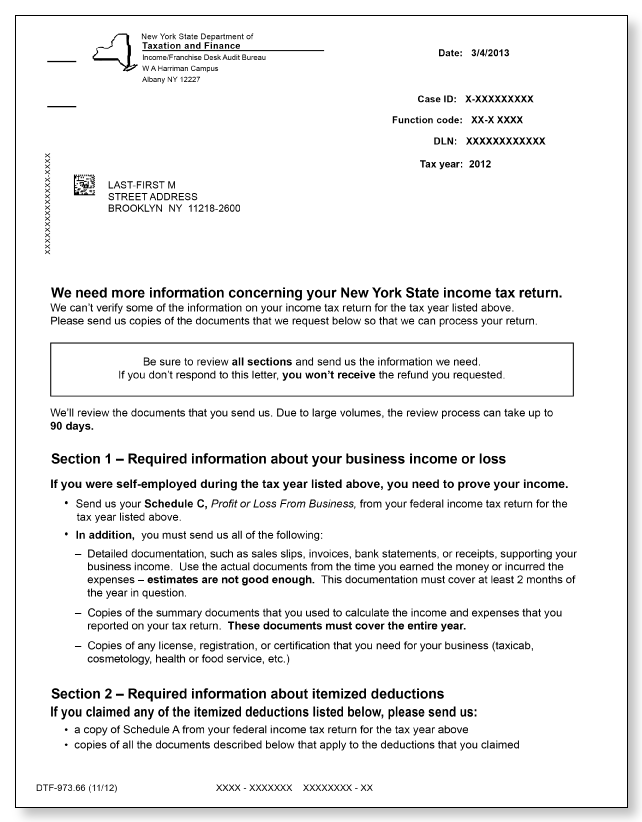
Tax compliance in a major economic hub like New York State involves navigating specific addresses dictated by the nature of your return. Unlike a simple postcard, state tax returns carry significant weight, and sending them to the incorrect department or facility can lead to unnecessary delays, lost correspondence, or potential penalties. Ensuring your tax documents reach the right desk is just as important as the accuracy of the numbers contained within them.
Identifying Your Filing Destination
The primary challenge for many taxpayers is deciphering the various addresses provided by the New York State Department of Taxation and Finance. These destinations are not arbitrary; they are categorized based on whether you are expecting a refund, enclosing a payment, or filing a return that does not involve a balance change.
Returns With Payments
If your return shows an amount owed to the state, the mailing destination is specifically equipped to process revenue and financial documentation. Sending a payment-enclosed return to a general processing center often results in a detour that adds days or even weeks to the posting time. Taxpayers should look for the address designated specifically for “Returns with Payments.” These facilities are often integrated with high-security financial processing systems that ensure checks and electronic funds transfer documents are handled with maximum speed and oversight.
Returns Requesting Refunds
Conversely, if you are expecting a refund, your documents are routed to a different facility. These processing centers prioritize the validation of tax data and the initiation of refund disbursements. By separating these streams, the state maintains a more efficient flow of documentation. Always double-check your tax package forms, as these specific addresses can be updated annually based on administrative shifts or seasonal facility capacity.
The Importance of Certified Mail
When dealing with state entities, the method of delivery is as crucial as the address itself. While standard post is generally sufficient, utilizing certified mail with a return receipt provides a paper trail. For residents living in bustling metropolitan areas like Brooklyn or Queens, where mail volume is exceptionally high, the extra layer of security offers peace of mind. It allows you to confirm exactly when your return reached the facility, providing critical evidence should any disputes regarding filing dates arise.
Common Pitfalls and How to Avoid Them
Even with the correct address in hand, small administrative errors can disrupt the filing process. Many taxpayers fail to recognize that the address for New York State taxes is distinct from the address for federal taxes submitted to the Internal Revenue Service. Mixing these up is a common, yet entirely preventable, headache.

Proper Documentation and Signatures
Before sealing your envelope, ensure that all schedules are attached and, most importantly, that the return is signed. An unsigned return is considered invalid and will be mailed back to the sender, effectively resetting your filing timeline. For those who frequently travel or maintain secondary residences in places like The Hamptons, it is easy to misplace a vital page during the transition. Creating a checklist—signing, dating, and verifying the attachment of W-2s or 1099s—is a professional habit that saves time.
Using the Official Postal Service
Always use the official United States Postal Service for mailing tax returns. While private courier services have their place, many government facilities maintain specific PO Boxes or intake protocols that may not accept deliveries from third-party couriers. Relying on the standard mail system ensures that your return follows the direct, intended path to the tax processing authority.
The Role of Postmarks
The state recognizes the “timely mailing” rule, which dictates that your tax return is considered on time if it is postmarked on or before the due date. This highlights the importance of visiting a physical post office rather than just leaving the envelope in an outgoing mail bin. By getting a clerk to manually postmark your envelope, you acquire indisputable proof of the exact date your return began its journey through the postal network.
Electronic Alternatives for the Modern Taxpayer
While the traditional paper route remains a reliable method, the New York State Department of Taxation and Finance has made significant strides in promoting electronic filing. For individuals who find the physical mailing process cumbersome, or who reside in remote areas of Upstate New York, digital filing is an increasingly attractive alternative.
Efficiency and Accuracy
Electronic filing minimizes the risk of human error in transcription. When you file online, the system performs automated checks that catch common mathematical blunders or missing information before the return is even submitted. Furthermore, the turnaround time for a refund is significantly shorter for electronic returns compared to paper versions.
Security Protocols
Digital submissions are encrypted, providing a level of security that paper mail, while reliable, cannot inherently match. The system provides an immediate electronic confirmation, giving the taxpayer a digital timestamp that acts as a receipt. For busy professionals or those operating businesses within Albany, this instant verification eliminates the anxiety associated with waiting for a paper confirmation of receipt.
When Paper Is Still Preferred
Despite the convenience of digital tools, paper filing persists for specific scenarios. Some taxpayers may have complex filings that require extensive supporting documentation which cannot be easily scanned or uploaded. Others may simply have a personal preference for tangible records. If you fall into this category, understanding the precise mailing instructions for your specific form is not just a matter of convenience—it is a cornerstone of responsible financial management.
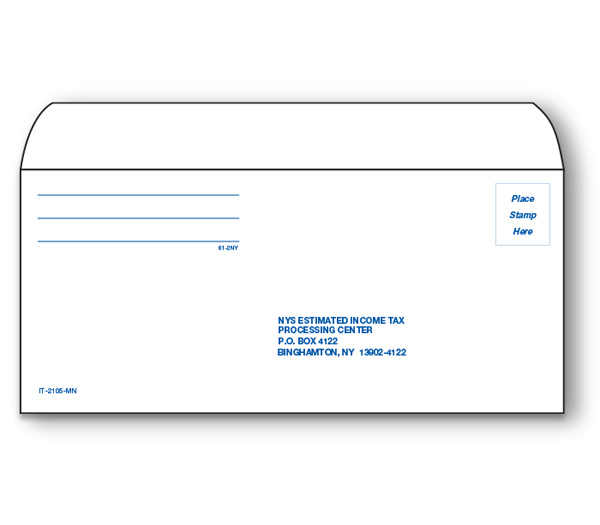
Preparing for Your Next Filing Season
As the tax season approaches each year, take a moment to review the current instructions provided on the official website. Addresses and procedures can change, and relying on outdated information from a previous year is a common mistake. By staying informed, verifying your mailing destination, and choosing the most secure method of delivery, you can complete your tax obligations with the same professionalism you apply to your other financial endeavors.
Whether you are a lifelong resident or have recently relocated to the vibrant atmosphere of Buffalo, understanding the logistical requirements of your state tax filing is a vital part of your annual routine. Keep your documentation organized, double-check your destination address, and ensure your postmark is clear. By following these structured steps, you ensure that your interaction with the tax authorities remains efficient, transparent, and entirely hassle-free. Your attention to detail during this process ensures that your fiscal responsibilities are met with the precision expected of a diligent taxpayer, allowing you to focus your energy on the exciting experiences and opportunities that await you across New York.
LifeOutOfTheBox is a participant in the Amazon Services LLC Associates Program, an affiliate advertising program designed to provide a means for sites to earn advertising fees by advertising and linking to Amazon.com. Amazon, the Amazon logo, AmazonSupply, and the AmazonSupply logo are trademarks of Amazon.com, Inc. or its affiliates. As an Amazon Associate we earn affiliate commissions from qualifying purchases.