
When planning a trip to the beating heart of New York City, the logistical question of arrival often outweighs the excitement of the itinerary. For first-time visitors and seasoned travelers alike, Times Square serves as the ultimate anchor point. Determining which airport is “closest” involves a nuanced balance of raw geographical distance, real-world traffic patterns, and the efficiency of public versus private transit. Navigating the tri-state area’s complex aviation network requires a strategic approach to ensure your first hours in Manhattan are spent enjoying the neon glow rather than sitting in gridlock.
Understanding the New York Airport Landscape
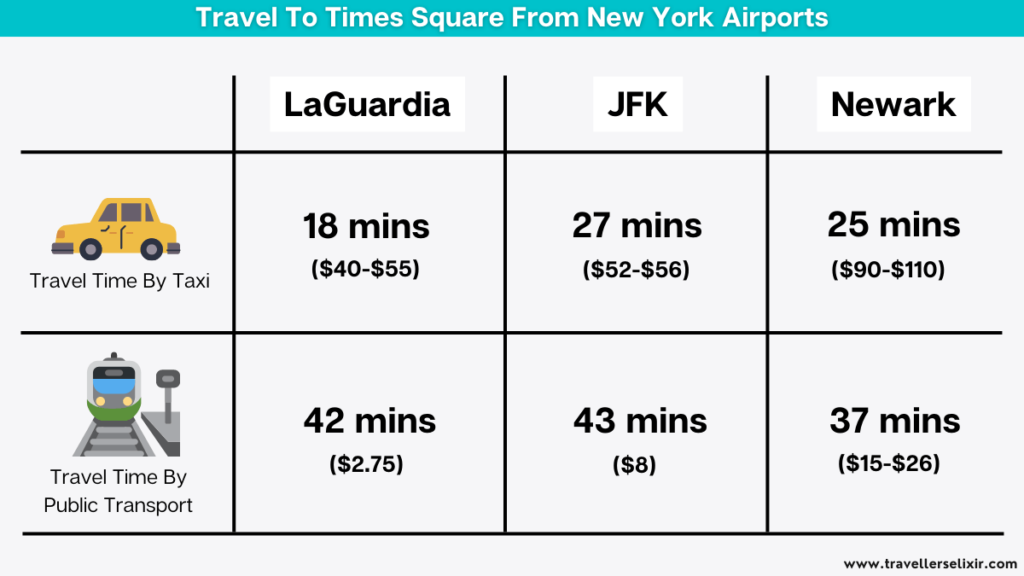
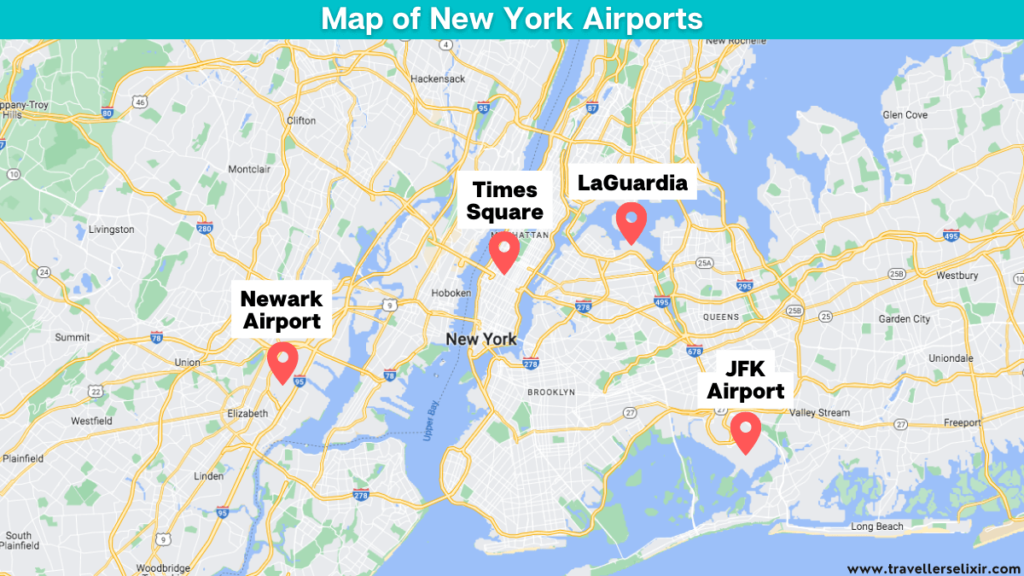
To identify the most efficient gateway to the city, one must first look at the three primary facilities serving the New York metropolitan area: LaGuardia Airport, John F. Kennedy International Airport, and Newark Liberty International Airport. While each provides unique accessibility, their proximity to the center of Midtown Manhattan varies significantly.
The Geographic Advantage of LaGuardia Airport
Strictly speaking, LaGuardia Airport is the closest commercial airport to Times Square in terms of sheer miles. Located in the borough of Queens, it sits approximately nine to ten miles from the center of Manhattan. Because of its location on the northern shore of the East River, it is often the preferred choice for domestic travelers.
However, “closest” is a misleading metric in a city defined by its infrastructure. LaGuardia Airport lacks a direct rail connection to Manhattan. Travelers must rely on the MTA bus services to reach the New York City Subway or hire a ride-share service. During peak hours, the congestion on the Grand Central Parkway and the Triborough Bridge—now formally known as the Robert F. Kennedy Bridge—can turn a short trip into a grueling hour-long ordeal.
Evaluating Transit Reliability for Modern Travelers
While LaGuardia Airport wins on distance, John F. Kennedy International Airport and Newark Liberty International Airport often provide a more predictable travel experience due to their integration with regional rail networks. If you are staying at a hotel near Times Square, the ability to bypass road traffic is a luxury that cannot be overstated.
The Efficiency of the JFK AirTrain
John F. Kennedy International Airport is located on the southeastern edge of Queens. Although it is geographically the furthest from Manhattan, it features the AirTrain. This system connects passengers to the Long Island Rail Road at Jamaica Station. From there, a high-speed commuter train whisks travelers directly into Penn Station.
Since Penn Station is located on 7th Avenue, you are a mere ten-minute walk or a short subway ride away from the iconic lights of Times Square. For those who value consistency over proximity, this rail-based approach removes the variable of unpredictable traffic, making it the preferred route for many business travelers and international visitors arriving in New York State.
Newark Liberty’s Trans-Hudson Connectivity
Often overlooked due to its location in New Jersey, Newark Liberty International Airport is a formidable competitor for the title of “best access.” The Newark Airport Express or the NJ Transit trains provide a seamless connection to New York City.
Traveling from Newark Liberty International Airport to Penn Station is frequently faster than a taxi ride from LaGuardia Airport during heavy traffic. By crossing the Hudson River via rail, you bypass the infamous gridlock found at the Lincoln Tunnel. If you are arriving from a hub served by United Airlines, this option often provides the path of least resistance to your accommodation.
Strategic Decision-Making for Your Arrival
When deciding which airport serves your needs best, categorize your priorities. Is your goal the shortest possible travel time, the lowest cost, or the greatest degree of comfort?
The Case for Public Transit
If you are traveling light and looking to immerse yourself in the local rhythm immediately, the subway and rail systems are indispensable. John F. Kennedy International Airport and Newark Liberty International Airport offer far superior public transit links compared to LaGuardia Airport. By utilizing the AirTrain or NJ Transit, you gain access to the Manhattan grid without relying on taxi drivers to navigate the Brooklyn-Queens Expressway.
The Case for Private Car Services
Travelers with heavy luggage, those traveling as a family, or visitors with limited mobility may find that private car services are the most practical solution. In this scenario, LaGuardia Airport becomes a much more attractive prospect. If you can time your arrival to avoid rush hour—specifically between 7:00 AM and 10:00 AM, or 4:00 PM and 7:00 PM—the drive from Queens to Midtown is exceptionally short.

Final Recommendations for Your Trip
Ultimately, the “closest” airport is the one that minimizes your specific friction points. If your priority is speed to the city center and you are booking a flight during off-peak hours, LaGuardia Airport is unmatched. However, for a reliable, stress-free connection, John F. Kennedy International Airport and Newark Liberty International Airport are the superior choices due to their robust rail connectivity to Penn Station.
When you finally arrive and emerge from the underground transit system or step out of a car into the electric atmosphere of Times Square, the journey will feel like a worthy prelude to your experience. Whether you land in Queens, Brooklyn, or across the river in New Jersey, the vibrant energy of New York City remains the same. By selecting the airport that best aligns with your arrival time and transit preferences, you ensure that your trip begins with ease, allowing you more time to explore the landmarks, restaurants, and culture that make this city the center of the world.
LifeOutOfTheBox is a participant in the Amazon Services LLC Associates Program, an affiliate advertising program designed to provide a means for sites to earn advertising fees by advertising and linking to Amazon.com. Amazon, the Amazon logo, AmazonSupply, and the AmazonSupply logo are trademarks of Amazon.com, Inc. or its affiliates. As an Amazon Associate we earn affiliate commissions from qualifying purchases.