
Navigating the transit landscape of New York City can be as exhilarating as it is overwhelming. For travelers planning their arrival in the Big Apple, the question of which airport is “closest” to Manhattan is often the first hurdle in the planning process. While geography provides a straightforward answer, the reality of travel—factoring in traffic, public transit connectivity, and terminal efficiency—offers a more nuanced perspective.
The Geographical Reality: LaGuardia Airport
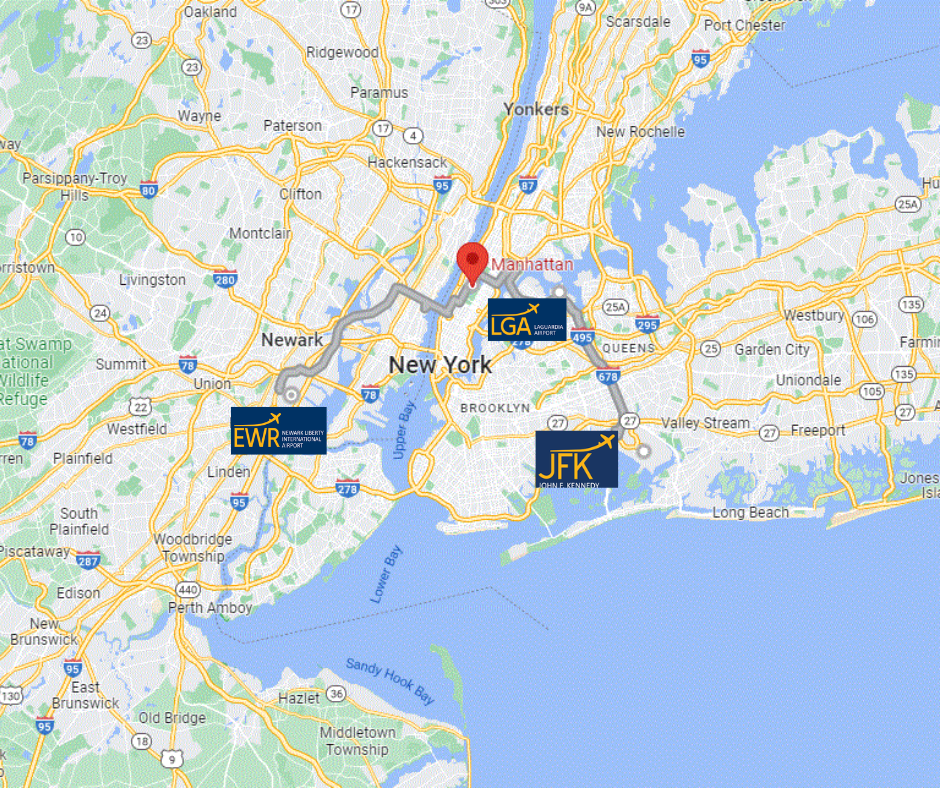
When strictly measuring distance, LaGuardia Airport is undeniably the closest commercial airport to the heart of Midtown Manhattan. Located in the borough of Queens, it sits roughly eight to ten miles from the center of the city.
Why Distance Can Be Deceiving
Because LaGuardia Airport is situated on the northern edge of Queens, it is geographically closer to the residential neighborhoods of the Upper East Side and Harlem than any other major hub. However, it is the only one of the three major airports that does not have a direct subway connection. Access relies heavily on taxi services, ride-sharing platforms, or the M60 Select Bus Service, which connects to various subway lines. During rush hour, the proximity advantage can evaporate quickly as traffic on the Grand Central Parkway or the Triborough Bridge grinds to a halt. If you are staying in Upper Manhattan, this remains your most logical entry point, provided you have planned your ground transport carefully.
The Transit King: John F. Kennedy International Airport
John F. Kennedy International Airport, located in southeastern Queens, is the furthest from Manhattan in terms of pure mileage. However, it is arguably the most predictable airport in terms of travel time due to the AirTrain JFK.
The Power of the AirTrain
The AirTrain JFK serves as a vital artery, whisking passengers from the terminals to major transit hubs like Jamaica Station or Howard Beach Station. From there, travelers can connect to the New York City Subway or the Long Island Rail Road. This connectivity ensures that no matter how congested the Van Wyck Expressway may be, you have a fixed-time transit option. For international travelers landing at JFK with significant luggage, the ability to bypass gridlock and arrive directly into Penn Station or Grand Central Terminal is a massive quality-of-life advantage that often makes it the preferred choice over LaGuardia Airport.
The Strategic Alternative: Newark Liberty International Airport

While Newark Liberty International Airport is technically located in New Jersey, do not let the state line deter you. Many seasoned travelers consider it the most “Manhattan-friendly” airport of the three.
Crossing the Hudson River
Newark Liberty International Airport sits just across the Hudson River. For travelers staying on the West Side of Manhattan—such as in Chelsea or Hell’s Kitchen—the commute can often be shorter and less stressful than traveling from JFK. The NJ Transit train system offers a direct link from the airport terminal to Penn Station, usually taking less than 30 minutes. This efficient rail connection circumvents the unpredictable traffic of the Lincoln Tunnel or the Holland Tunnel, providing a level of reliability that is highly prized by business travelers.
Comparing Your Ground Transport Options
Choosing your arrival airport should be dictated by your specific destination within New York City and your tolerance for transit complexity.
Factors to Consider
- Time of Day: If you are arriving during the typical morning or evening rush hour, avoid LaGuardia Airport if possible, as the traffic surrounding the airport can cause significant delays.
- Hotel Location: If you are booked at a property near Grand Central Terminal, JFK via the Long Island Rail Road is your best friend. If your hotel is near Times Square, Newark Liberty International Airport offers a seamless train-to-subway transition.
- Budget vs. Speed: Taxis and ride-shares are convenient but expensive, and subject to the whims of New York City traffic. Using the rail networks connected to JFK and Newark Liberty International Airport is almost always the most cost-effective and time-efficient route.
Terminal Logistics
Modernization efforts have greatly improved the passenger experience across all three airports. LaGuardia Airport has undergone a massive transformation, turning a once-dismal hub into a state-of-the-art facility. Similarly, JFK continues to expand its international terminals to handle the heavy volume of global traffic, and Newark Liberty International Airport has recently debuted a brand new Terminal A that rivals the best airports in the world.
Final Verdict: Which One Should You Choose?
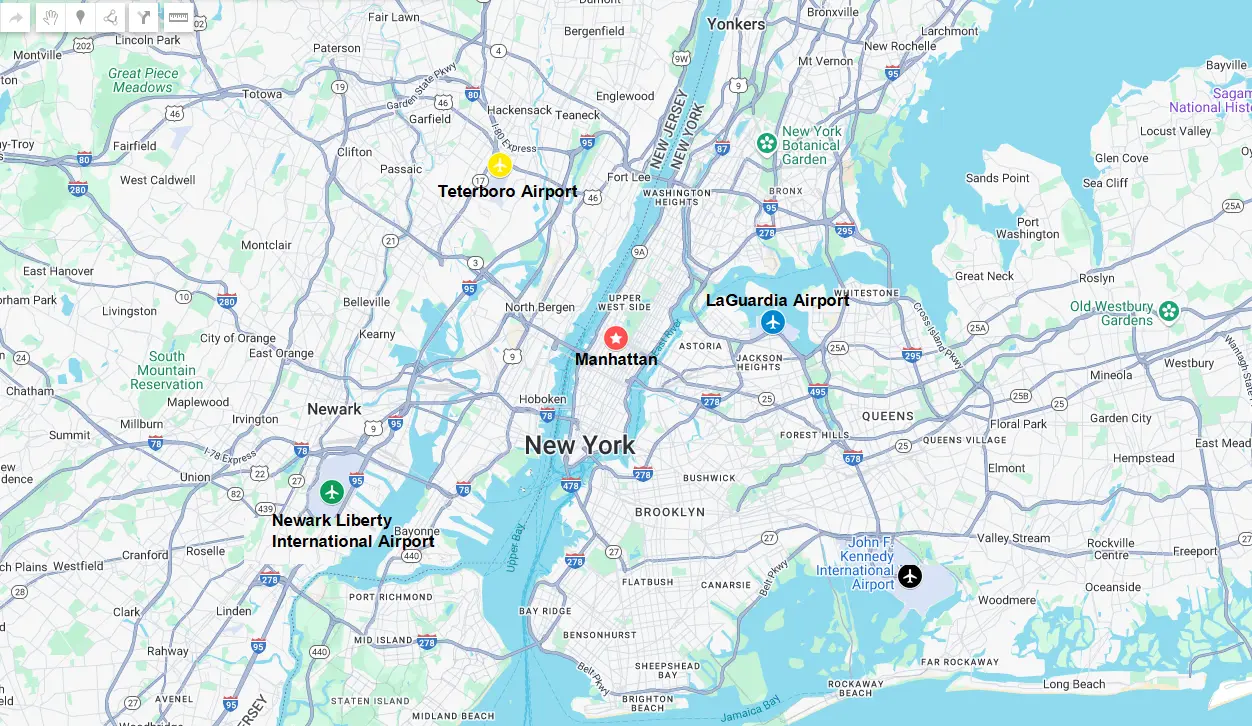
There is no single “correct” airport, as the answer is subjective to where you are heading and when you land. For sheer distance, LaGuardia Airport is the winner. For the most robust public transit integration, JFK provides an unmatched network that leads directly to the core of Manhattan. For those staying on the West Side or seeking the most predictable travel time via rail, Newark Liberty International Airport is a fantastic, underrated option.
Ultimately, the best approach is to check your flight arrival time against the transit map of New York City. By choosing an airport that aligns with your final destination and your preferred mode of transport, you ensure your visit begins with ease rather than frustration. Whether you are traveling for business to Wall Street or for a vacation to see the Empire State Building, understanding these three gateways will turn you into an expert navigator of the United States most vibrant city. Regardless of which airport you choose, the energy of the city will be waiting for you the moment you step out onto the streets of Manhattan. Plan accordingly, keep your transit card ready, and prepare for a seamless entry into one of the world’s most iconic destinations.
LifeOutOfTheBox is a participant in the Amazon Services LLC Associates Program, an affiliate advertising program designed to provide a means for sites to earn advertising fees by advertising and linking to Amazon.com. Amazon, the Amazon logo, AmazonSupply, and the AmazonSupply logo are trademarks of Amazon.com, Inc. or its affiliates. As an Amazon Associate we earn affiliate commissions from qualifying purchases.