
The origins of New York as a colonial entity represent one of the most fascinating chapters in North America history. Unlike many other British colonies that were established primarily through religious mandates or royal charter expansions, the territory now known as New York began as a strategic commercial venture driven by a European superpower eager to dominate global trade routes. Understanding the birth of this colony requires looking back to the early 17th century, a time when the Netherlands was emerging as the world’s preeminent maritime power.
The Dutch Arrival and the Founding of New Netherland
In 1609, the Dutch East India Company commissioned the English explorer Henry Hudson to find a northwest passage to Asia. While he did not reach the Orient, he sailed his ship, the Halve Maen, up the river that would eventually bear his name. This voyage provided the Dutch Republic with a geographic claim to the region, which they quickly exploited for the lucrative fur trade.

The West India Company’s Vision
Following Hudson’s initial discovery, the Dutch West India Company was formed in 1621 with the specific mandate to colonize the area, which was formally named New Netherland. The primary objective was not agricultural expansion, but rather the establishment of a robust trading network. Manhattan was identified as a critical port, leading to the establishment of New Amsterdam at the southern tip of the island in 1625. This outpost was designed to be the administrative and commercial heart of the province, governed by men like Peter Minuit, who famously (and perhaps apocryphally) purchased the island from the local indigenous peoples.
Colonial Diversity and Commercial Focus
From its inception, the Dutch colony was strikingly different from its neighbors. While New England was being settled by religious dissenters seeking a homogenous society, New Netherland was built upon the principles of global trade and cultural tolerance. The colony attracted merchants, artisans, and laborers from across Europe, creating a cosmopolitan environment that has defined the character of the region for four centuries. By the mid-1600s, the streets of New Amsterdam were filled with a polyglot population speaking dozens of languages—a direct precursor to the modern identity of the United States.
The English Takeover and the Transition to New York
The Dutch dominance in the region did not go unnoticed by the Kingdom of England. By the 1660s, the English Crown began viewing the Dutch presence as a strategic impediment to their own colonial ambitions along the Atlantic Ocean coast. The English sought to bridge the gap between their northern colonies in New England and their southern holdings in Virginia and Maryland.

The Expedition of 1664
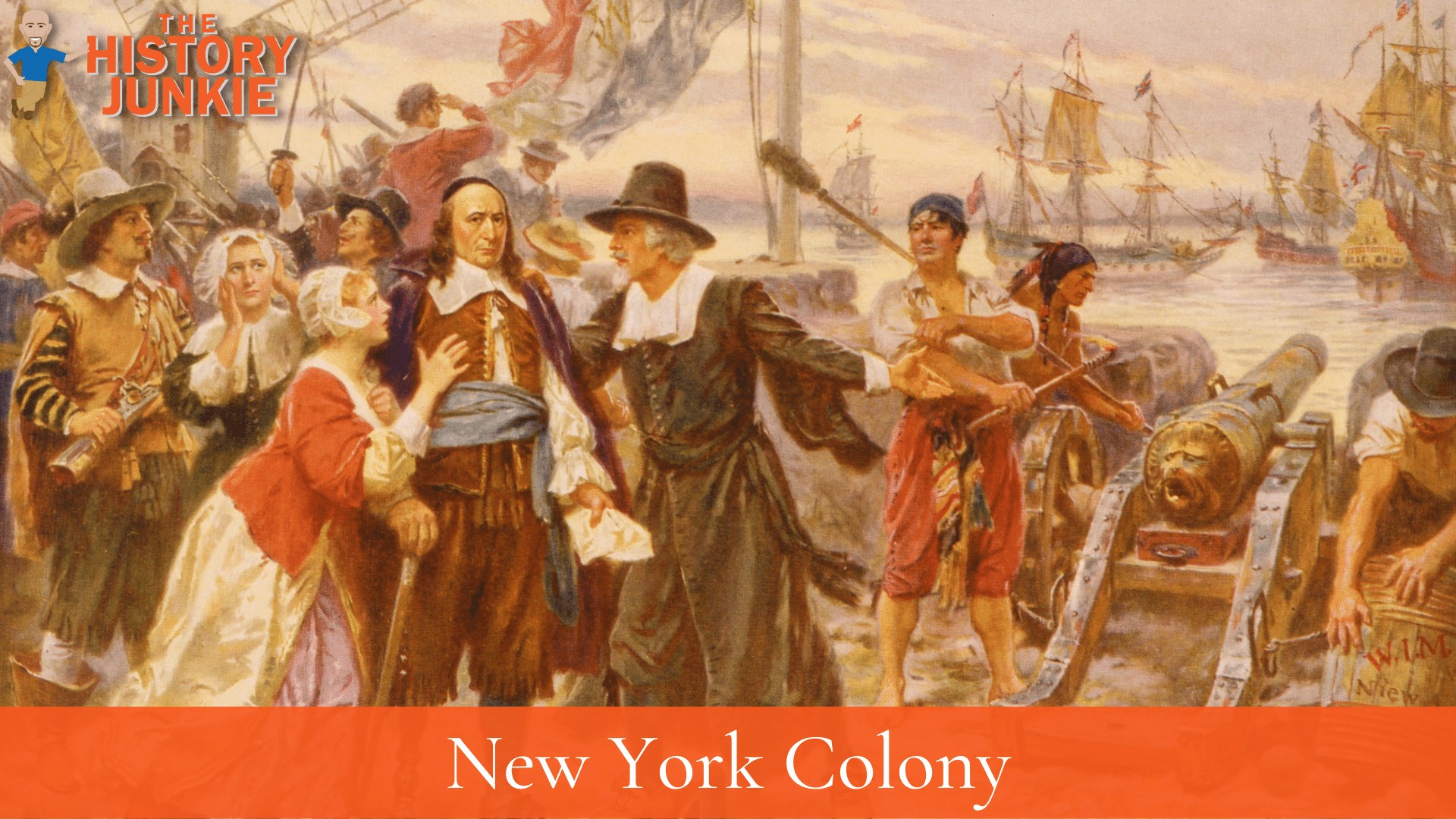
In 1664, King Charles II granted his brother, James, Duke of York, the rights to the territory held by the Dutch. A fleet of English warships arrived in the harbor of New Amsterdam, demanding surrender. Peter Stuyvesant, the final Director-General of New Netherland, initially urged the citizens to fight, but the lack of military support and the overwhelming force of the English blockade led to a peaceful transfer of power. Without a single shot being fired, the Dutch colony was surrendered to the English, and the territory was promptly renamed in honor of the Duke.
Governance Under the English Crown
Once under British control, the colony transitioned from a company-run trading post to a proprietary colony governed by the British Crown. The Duke of York maintained absolute authority over the territory, though he eventually allowed for a representative assembly to appease the diverse population of merchants and farmers. Despite the political change, the underlying structure of the region remained remarkably intact; many Dutch families retained their property, their language, and their customs, creating a unique synthesis of cultures that became a hallmark of the new English province.
Legacy of the Colonial Era
The transition from New Netherland to New York did more than change the name on the maps of the Hudson Valley; it laid the foundation for the political and economic landscape of the future American republic.
Economic Impact of the Port
The strategic importance of the harbor, first realized by the Dutch and later perfected by the English, turned the area into the most significant commercial hub in the Western Hemisphere. The development of the shipping industry and the establishment of mercantile laws ensured that the colony would prosper as a gateway for global commerce. By the time of the American Revolution, the legacy of both the Dutch trade-focused origins and the English administrative structure had created a resilient, wealthy society that could support a movement for independence.
The Melting Pot Origins
The enduring legacy of the Dutch and English colonizers is best observed in the cultural fabric of modern New York. The emphasis on religious freedom, which began during the Dutch period to facilitate commerce, became a permanent feature of the region’s social life. Today, visitors can still find traces of this shared history in the architecture of the Dutch Reformed Church buildings or the layout of streets that still echo the original colonial grid.
Architectural Landmarks
Many of the structures built during the later English colonial period remain standing today, serving as living museums of that transition. Landmarks such as Federal Hall and various historic homes throughout Long Island and Upstate New York offer a glimpse into the life of the early colonists. These sites provide critical context for how the colony evolved from a tenuous collection of trade outposts into a dominant powerhouse that eventually paved the way for the birth of a new nation.
Ultimately, while the Duke of York provided the namesake for the colony, the establishment of New York was a multi-generational effort involving Dutch explorers, English visionaries, and a global population that sought opportunity in the fertile land of the New World. This history serves as a reminder that the character of the region was never defined by a single person or nation, but by the ongoing exchange of ideas, goods, and cultures that began at the water’s edge of New York Harbor.
LifeOutOfTheBox is a participant in the Amazon Services LLC Associates Program, an affiliate advertising program designed to provide a means for sites to earn advertising fees by advertising and linking to Amazon.com. Amazon, the Amazon logo, AmazonSupply, and the AmazonSupply logo are trademarks of Amazon.com, Inc. or its affiliates. As an Amazon Associate we earn affiliate commissions from qualifying purchases.