
When planning an extended stay, moving for a job, or simply handling essential documentation while navigating life in the United States, understanding the bureaucracy of vital records is a foundational skill. For those residing in or relocating to New York, the question of who manages birth certificates is a common point of confusion. Navigating the legal landscape of a state as populous and administratively complex as New York requires knowing exactly where your personal documentation lives and who holds the keys to issuing certified copies.
The Bifurcated System: New York City vs. New York State
One of the most critical aspects of New York’s administrative structure is the distinction between the five boroughs and the rest of the state. If you are born within the confines of New York City—specifically Manhattan, Brooklyn, Queens, the Bronx, or Staten Island—the authority responsible for your birth certificate is distinct from the authority responsible for the rest of New York State.
The NYC Department of Health and Mental Hygiene
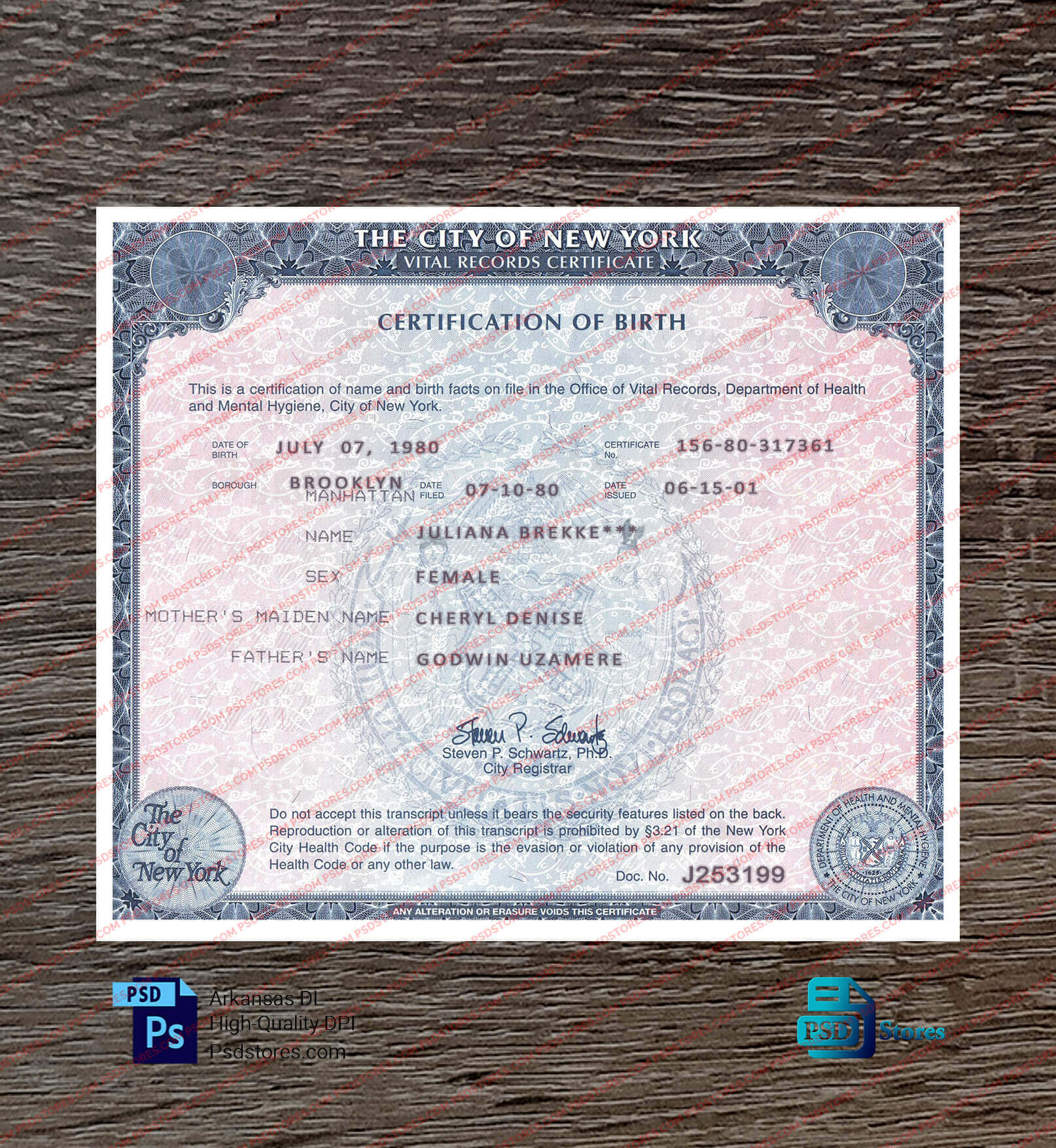
For anyone born within the five boroughs, the New York City Department of Health and Mental Hygiene serves as the primary custodian of vital records. This office maintains the records for all births that occurred within city limits, regardless of whether the birth took place in a hospital or at home. If you are applying for a passport, a travel visa, or managing long-term residency requirements, the certified copies provided by this department are the only documents accepted as official legal proof.
The New York State Department of Health
Conversely, for births that occurred anywhere outside of the five boroughs—such as in Buffalo, Rochester, or Albany—the New York State Department of Health acts as the oversight body. While local registrars in towns and counties may handle the initial filing, the State Department of Health maintains the centralized database for non-NYC vital statistics.
How to Obtain Your Certified Copy
Securing a certified birth certificate is a procedural task that requires specific documentation and, occasionally, a significant amount of patience. Whether you are dealing with the city or the state, the requirements remain relatively consistent, designed to prevent identity theft and ensure the integrity of the document.
Required Documentation and Eligibility
To request a copy of a birth certificate, you must be the person named on the document (if you are 18 or older) or a parent or legal guardian. The issuing agency will require a valid, government-issued photo identification. Acceptable forms typically include a current driver’s license, a non-driver identification card, or a valid passport. If you are requesting a certificate for a family member, you may be required to provide proof of the relationship, such as a marriage certificate or a court order granting legal guardianship.
The Application Process: Online vs. In-Person
In our digital age, convenience has become the standard for government services. Both the city and the state offer online portals to request records. Using services like VitalChek often facilitates the process for those living outside of the state. However, for those physically located in New York, visiting an office in person or mailing a notarized application remains a reliable, if slower, alternative. It is important to remember that these services charge a processing fee, which can vary depending on the urgency of the request and the shipping method selected for the delivery of the certified document.
Why Your Birth Certificate Matters for Residency and Travel
While often treated as a dormant document tucked away in a safe deposit box, a birth certificate is an essential tool for those living a nomadic or international lifestyle. It is the bedrock document upon which your entire legal identity is built.
Essential for Passports and Visas
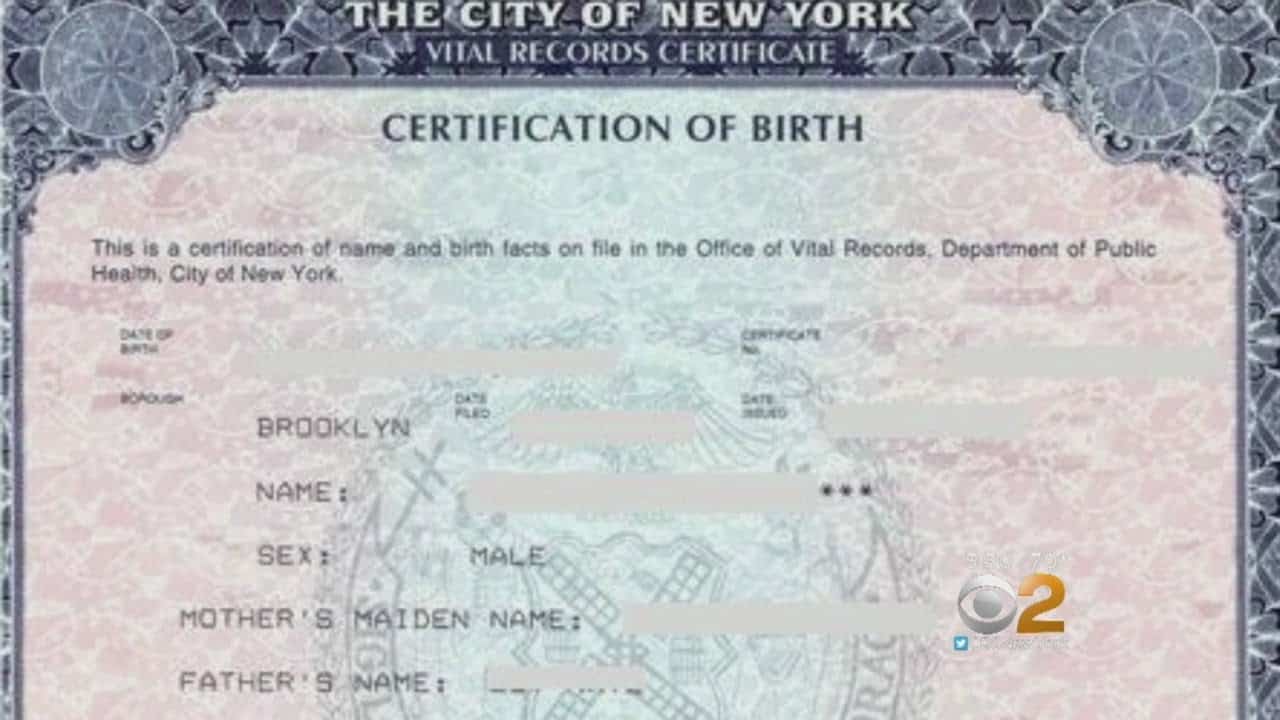
If you are planning to travel internationally, your birth certificate is the first step in obtaining a United States passport. The U.S. Department of State mandates a long-form birth certificate—one that includes the names of your parents—to verify citizenship. Many travel agencies and consulate services will not accept hospital-issued commemorative certificates; they must be the official, stamped copies issued by the Department of Health.
Establishing Proof for Long-Term Stays
For those who move frequently or plan to live in different locations for extended periods, maintaining access to a valid birth certificate is crucial. Whether you are signing a lease for a luxury apartment in Chicago, enrolling children in international schools, or applying for residency permits in a new country, you will inevitably be asked to produce your birth certificate as proof of your identity and birthplace. Having a certified copy readily available—rather than scrambling to request one from thousands of miles away—can save you weeks of bureaucratic delays.
Common Pitfalls and How to Avoid Them
The process of dealing with vital records can be fraught with minor errors that cause major delays. Understanding these pitfalls will help you maintain your documents with minimal friction.
The “Long-Form” vs. “Short-Form” Confusion
Always verify exactly what kind of certificate the requesting entity needs. Some agencies require the “long-form” birth certificate, which includes detailed information about the parents, their places of birth, and the specific hospital of birth. A “short-form” certificate, which acts more like a verification card, is often insufficient for passport applications or high-level security clearances. Always opt for the long-form version if you are unsure; it is the most universally accepted document.
Addressing Name Changes and Errors
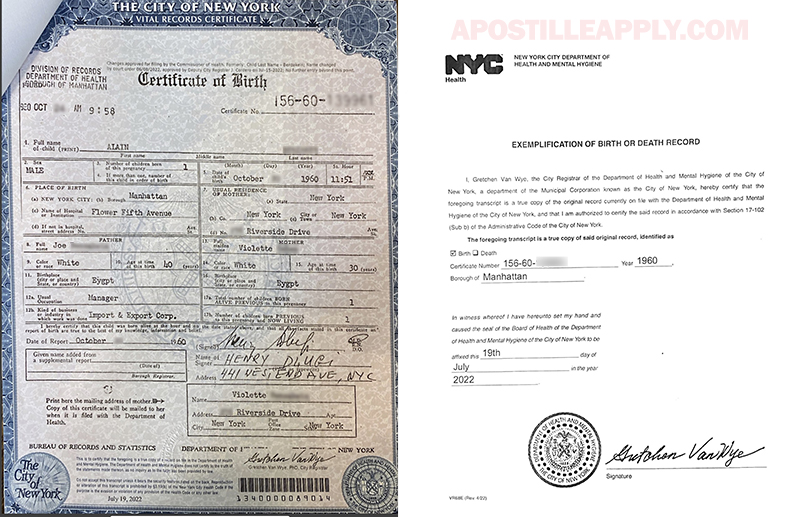
If you discover a typo on your birth certificate or if your name has changed due to marriage or legal proceedings, simply having the birth certificate is not enough. You must follow the legal process for amendment. This often involves filing an affidavit of correction with the Vital Records office. In New York, this process can be rigorous, requiring supporting evidence such as school records, medical documents, or census data from early in your life.
Storing Your Documents Securely
Given the sensitivity of this document, secure storage is non-negotiable. Whether you keep your documents in a fireproof safe at home or a secure digital vault, treat your birth certificate with the same level of protection you would accord a passport. If you lose your birth certificate, the replacement process involves significant verification steps, which can be difficult if you have also lost other forms of identification.
Navigating the bureaucratic landscape of New York may seem daunting, but it is a necessary part of managing one’s personal affairs. By understanding whether your record is held by the New York City Department of Health and Mental Hygiene or the New York State Department of Health, you can move forward with confidence. Whether you are planning a trip to see the Statue of Liberty, settling into a new home in Manhattan, or simply organizing your life for the future, a valid, easily accessible birth certificate remains your most essential travel and life companion. Keep it safe, keep it current, and understand the institutions that stand behind your identity.
LifeOutOfTheBox is a participant in the Amazon Services LLC Associates Program, an affiliate advertising program designed to provide a means for sites to earn advertising fees by advertising and linking to Amazon.com. Amazon, the Amazon logo, AmazonSupply, and the AmazonSupply logo are trademarks of Amazon.com, Inc. or its affiliates. As an Amazon Associate we earn affiliate commissions from qualifying purchases.