
Navigating the complexities of labor laws is a critical component of professional life, particularly for those working in the demanding business corridors of New York. Whether you are managing staff at a high-end property like the The Plaza Hotel or coordinating corporate travel logistics, understanding the intersection of executive duties and compensation is essential. In New York State, the Department of Labor enforces specific regulations that dictate which employees are entitled to time-and-a-half pay for hours worked beyond forty in a workweek, and which roles qualify for exempt status.
The Foundations of Exempt Status Under New York Labor Law
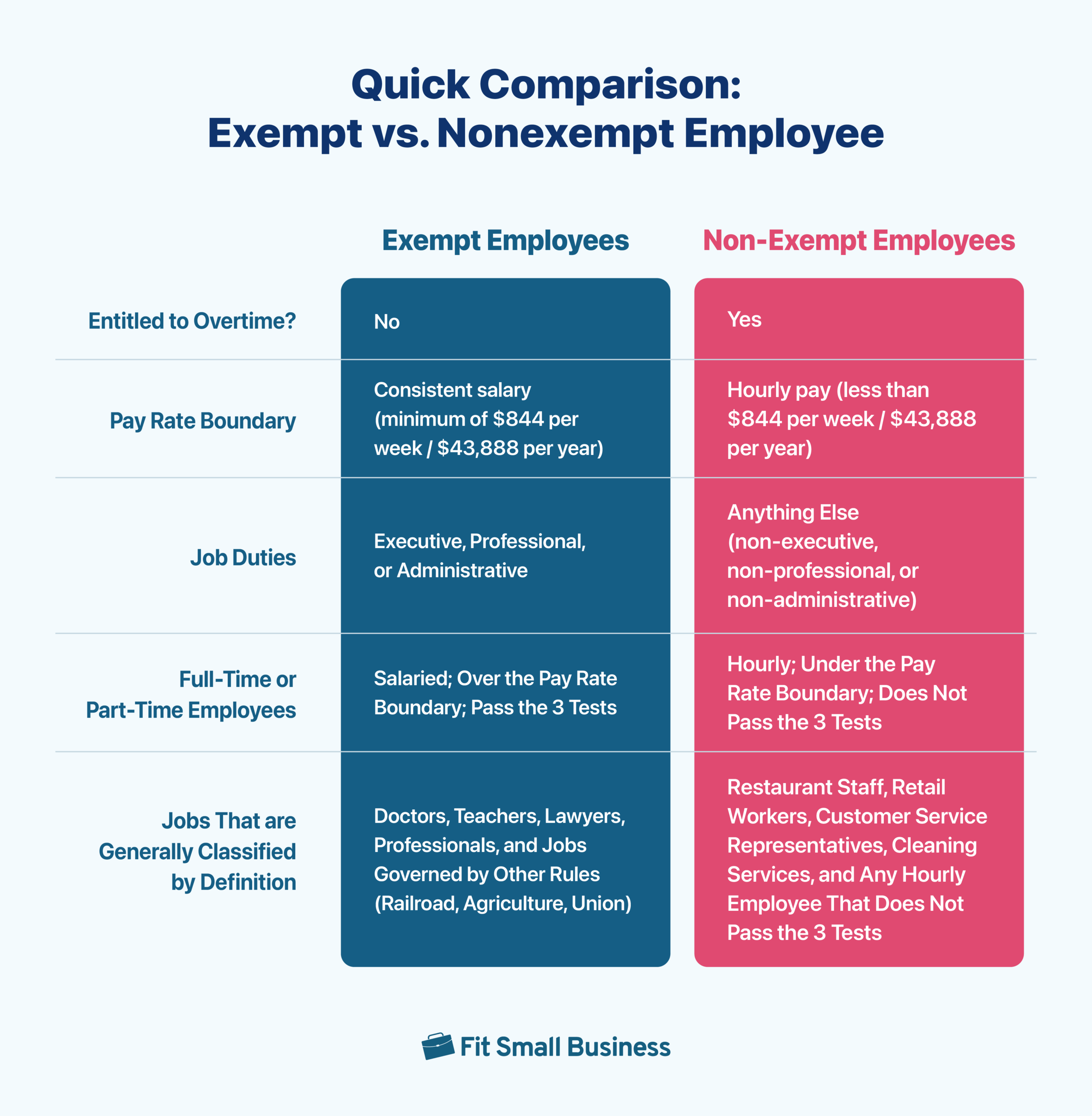
The distinction between “exempt” and “non-exempt” employees rests primarily on three pillars: salary level, salary basis, and the specific duties performed by the employee. In the fast-paced environment of Manhattan, many positions that appear high-level may not meet the stringent legal criteria required for exemption.
Salary Thresholds and the Executive Exemption
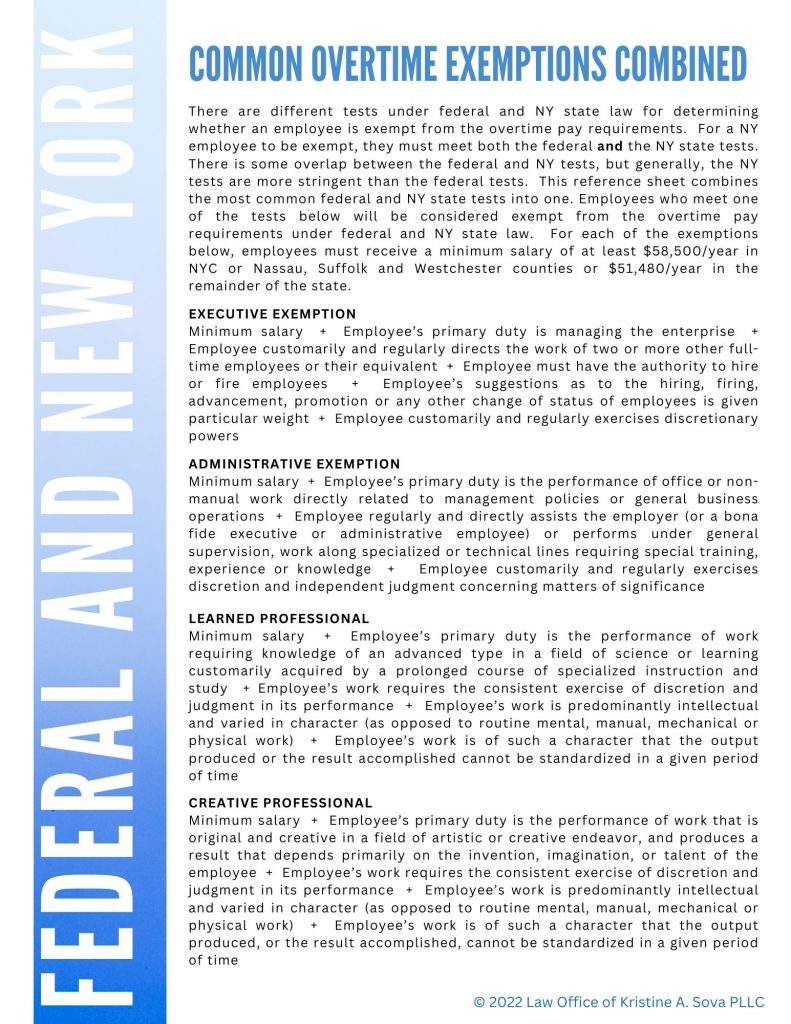
To be classified as exempt from overtime pay, an employee must generally earn a salary that meets or exceeds the minimum threshold set by the state. Unlike federal standards, New York often maintains higher salary requirements that adjust based on the employer’s size and geographic location, such as in New York City. If an employee’s salary falls below this mandated amount, they are typically entitled to overtime pay regardless of their job title or responsibilities.
The Duties Test
Beyond the paycheck, the “duties test” determines if an individual’s primary role is truly managerial or professional. For an executive exemption to apply, the employee’s primary duty must be the management of the enterprise or a recognized department within it. They must customarily and regularly direct the work of at least two or more other full-time employees and have the authority to hire or fire staff, or at least provide significant input that carries weight in these personnel decisions.
Categories of Exempt Employees
Understanding the nuances of exemptions requires a granular look at the specific professional categories recognized by labor authorities. These are not merely titles on a business card; they are defined by the actual functions an individual performs within their organization.
Executive, Administrative, and Professional Roles
The most common exemptions fall into three primary buckets, often referred to as the “EAP” exemptions:
- Executive Exemption: Applies to those whose primary duty is management. This is common in the hospitality industry, where a General Manager of a property like the Waldorf Astoria New York would clearly meet the criteria.
- Administrative Exemption: This covers employees whose primary duty is the performance of office or non-manual work directly related to the management or general business operations of the employer or the employer’s customers. This includes roles such as human resources, finance, or legal compliance, provided the individual exercises discretion and independent judgment on significant matters.
- Professional Exemption: This covers two distinct types of professionals: “Learned” professionals and “Creative” professionals. A learned professional must perform work requiring advanced knowledge in a field of science or learning, such as an architect working on the preservation of a landmark like the Empire State Building. A creative professional, conversely, performs work requiring invention, imagination, or talent in a recognized field of artistic endeavor.

Computer Professionals and Outside Salespeople
The law also carves out specific exemptions for roles that function differently from the standard office model. Computer systems analysts, programmers, and software engineers may be exempt if their hourly wage exceeds a specific, high-level threshold. Additionally, outside salespeople—those whose primary duty is making sales or obtaining orders at locations away from the employer’s place of business—are typically exempt from overtime requirements because their performance is measured by results rather than the time clocked.
The Intersection of Hospitality and Overtime Compliance
In a tourism-heavy hub like New York, the hospitality sector faces unique challenges regarding overtime compliance. Because hotels and restaurants in iconic areas like Times Square or Central Park operate around the clock, managers must be vigilant about classifying their staff correctly.
Distinguishing Supervisors from Working Managers
A frequent point of friction in hospitality management is the “working manager.” If an individual spends the majority of their shift performing the same duties as the hourly staff—such as cleaning rooms, serving tables, or checking in guests at the St. Regis New York—they may not qualify for the executive exemption, even if they hold a managerial title. The law looks at what they actually do for most of their day. If the primary duty is not managerial, the salary alone cannot justify exempt status.
Impact on Small Businesses and Independent Operators
For boutique accommodations or smaller travel agencies, the cost of overtime can be substantial. Employers must maintain rigorous time-keeping records, even for employees they believe to be exempt. If an employee is found to be misclassified, the employer may be liable for back pay, interest, and liquidated damages. It is a best practice for business owners to conduct an annual “classification audit” to ensure that roles, duties, and pay scales remain in alignment with current state regulations.
Practical Considerations for Employers and Employees
Navigating these laws requires proactive communication and diligent record-keeping. Whether you are operating a luxury resort in the Catskills or a service business in Buffalo, the rules regarding overtime pay are designed to protect the integrity of the work-life balance.
Why Misclassification Is a High-Stakes Risk
Misclassifying an employee as exempt when they are legally entitled to overtime is a common legal pitfall. For the employer, this results in significant financial exposure. For the employee, it represents a loss of earned wages. It is recommended that businesses consult with legal counsel specializing in New York State labor law to evaluate specific job descriptions.
Best Practices for Compliance
- Written Job Descriptions: Maintain detailed, written descriptions for every role. Update these whenever responsibilities shift significantly.
- Regular Audits: Periodically review the actual daily tasks of exempt employees to ensure they are still meeting the “duties test” requirements.
- Timekeeping for All: Even if an employee is exempt, implementing a tracking system is a safeguard that provides transparency and proof of compliance if a labor audit occurs.
- Transparent Policies: Clearly communicate with staff regarding their classification. When employees understand why they are classified as exempt, it reduces confusion and fosters a professional, trusting work environment.
In the evolving landscape of New York labor regulations, knowledge remains the most effective tool for both the employer and the employee. By focusing on the tangible duties performed and the objective metrics of salary, one can ensure that the business functions smoothly while adhering to the legal standards that define the modern workplace.
LifeOutOfTheBox is a participant in the Amazon Services LLC Associates Program, an affiliate advertising program designed to provide a means for sites to earn advertising fees by advertising and linking to Amazon.com. Amazon, the Amazon logo, AmazonSupply, and the AmazonSupply logo are trademarks of Amazon.com, Inc. or its affiliates. As an Amazon Associate we earn affiliate commissions from qualifying purchases.