
Understanding the administrative and legal landscape of New York is essential for anyone traveling to or navigating the cultural heartbeat of the United States. When you walk the streets of Manhattan or explore the outer boroughs, you are interacting with a complex web of municipal codes that dictate everything from public transit etiquette to the operation of street vendors. For the visitor, knowing who enforces these rules provides a clearer picture of how the city maintains its order and unique local culture.
The Role of Local Law Enforcement and City Agencies
In the bustling urban environment of New York City, the responsibility for upholding general municipal laws is shared among several specialized agencies. While the New York Police Department is the most visible presence, it is by no means the only entity tasked with maintaining the public order that defines the tourist experience.

The New York Police Department
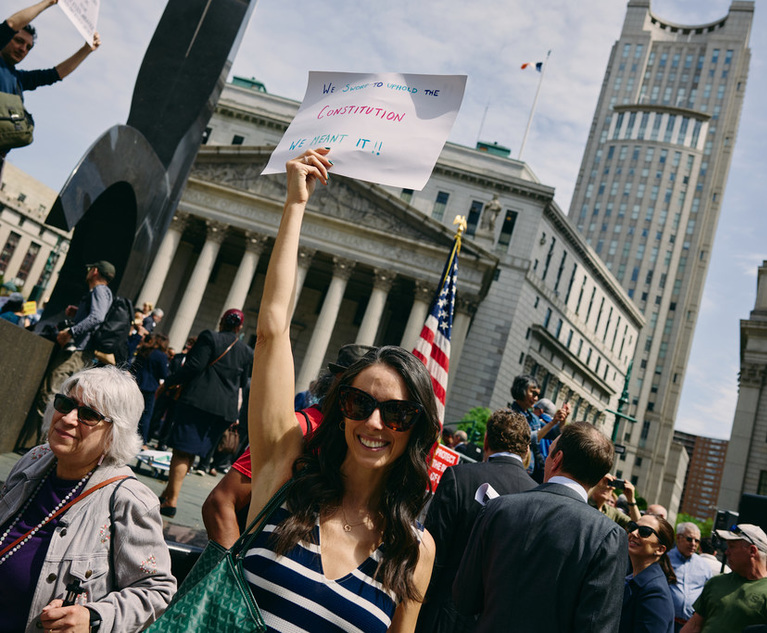
The NYPD acts as the primary force for public safety. Beyond responding to emergencies, they are responsible for enforcing municipal ordinances that impact pedestrian flow, public demonstrations, and safety in major tourist hubs like Times Square. Their presence ensures that the city’s vast infrastructure remains accessible to both residents and the millions of visitors who flock to attractions like Central Park and the Empire State Building each year.
Specialized Municipal Agencies
Beyond the police, specific agencies handle the nuances of daily life:
- Department of Sanitation: They enforce codes regarding waste disposal and littering, which is crucial for maintaining the cleanliness of popular areas such as High Line and Brooklyn Bridge.
- Department of Transportation: This agency manages the traffic laws and pedestrian safety regulations that keep the city’s complex grid moving.
- Department of Consumer and Worker Protection: They play a vital role in regulating businesses, ensuring that tourists are treated fairly by licensed vendors and service providers throughout the five boroughs.
Navigating Municipal Regulations as a Visitor
For travelers, the “municipal laws” often come down to simple behavioral expectations. These are not merely suggestions; they are local ordinances designed to preserve the quality of life in a city that operates at a high density. When visiting cultural institutions like the Metropolitan Museum of Art or enjoying a stroll through Greenwich Village, understanding these boundaries is key to a smooth experience.
Pedestrian Etiquette and Public Spaces
One of the most common municipal guidelines in New York involves the use of public sidewalks. Because the city is so heavily trafficked, there are implicit and explicit rules regarding foot traffic. Staying to the right, not blocking stairways in the New York City Subway, and respecting designated bike lanes—managed by local transit authorities—are essential for avoiding friction with locals. These guidelines are part of the broader municipal effort to manage the sheer volume of humanity moving through corridors like Fifth Avenue.
Vendor Regulations and Commerce
Tourists often encounter street vendors selling food, souvenirs, or artwork. These businesses must operate within the strict licensing parameters set by the city. When you purchase goods near landmarks such as the Statue of Liberty or Rockefeller Center, you are engaging with a regulated economy. The oversight of these vendors is a major part of the city’s municipal enforcement, ensuring that businesses are licensed and public walkways remain clear.
The Cultural Significance of Order in New York City
The enforcement of municipal law is inextricably linked to the preservation of New York as a global destination. The balance between freedom and order is what allows the city to host such a diverse array of experiences, from the neon lights of Broadway to the quiet, historic charm of Brooklyn Heights.
Maintaining Landmarks and Public Heritage
The preservation of iconic sites like Grand Central Terminal relies on municipal support and enforcement of historic preservation laws. When visitors admire the architecture of Chrysler Building, they are seeing the results of strict building codes and zoning laws that have protected the city’s skyline for decades. These regulations are upheld by various municipal departments tasked with safeguarding the structural and cultural integrity of the city’s most famous landmarks.
The Role of Local Community Boards
An often-overlooked aspect of New York municipal governance is the role of local community boards. These groups are instrumental in deciding how neighborhoods like SoHo or Upper East Side evolve. While they don’t carry badges, they influence the laws regarding noise, local commerce, and public events. Travelers who venture off the beaten path into these residential pockets of New York City are entering areas where the “law of the land” is heavily informed by community feedback and municipal responsiveness.

Future Perspectives on Municipal Enforcement
As the city continues to grow and adapt, the methods of upholding municipal law are also shifting. Innovations in smart city technology, better public transport management at hubs like Penn Station, and refined sustainability regulations are all part of the future of the city. For the visitor, this means that the New York of tomorrow will likely remain as vibrant and accessible as the New York of today.
By respecting the regulations set forth by city agencies, visitors do more than just avoid a fine; they participate in the maintenance of a world-class destination. Whether you are visiting the American Museum of Natural History or shopping in Lower Manhattan, you are witnessing a massive, coordinated effort to keep one of the most complex cities on earth functioning efficiently. Understanding that this order is upheld by a combination of police, sanitation, and transportation departments—each with a specific mandate—enriches your appreciation for the sheer scale of the New York City experience. It is a city that thrives on the tension between its chaotic energy and the structured, legal framework that keeps it moving forward.
LifeOutOfTheBox is a participant in the Amazon Services LLC Associates Program, an affiliate advertising program designed to provide a means for sites to earn advertising fees by advertising and linking to Amazon.com. Amazon, the Amazon logo, AmazonSupply, and the AmazonSupply logo are trademarks of Amazon.com, Inc. or its affiliates. As an Amazon Associate we earn affiliate commissions from qualifying purchases.