
Navigating the bustling streets of New York has always been an exercise in controlled chaos. For decades, the yellow taxi reigned supreme, followed closely by the iconic subway system. However, the rise of electric bicycles promised a revolution in urban mobility—a way to bypass gridlock while reducing one’s carbon footprint. Yet, recent years have seen a complex tug-of-war between municipal authorities and the rapidly expanding gig economy. For tourists and residents alike, the confusion regarding where and how these bikes can be operated has become a significant point of frustration.
To understand the regulations, one must first look at the tension between innovation and infrastructure. While the city has welcomed certain forms of micromobility, the proliferation of high-speed e-bikes has prompted New York City officials to implement strict enforcement zones and bans, particularly within public parks and certain pedestrian-heavy corridors.

The Evolution of Micromobility Policies
The rapid adoption of lithium-ion battery-powered vehicles caught the city’s regulatory framework off guard. As Manhattan sidewalks became clogged with delivery couriers and commuters, the local government found itself struggling to balance efficiency with public safety.
Safety Concerns and Infrastructure
The primary driver behind the bans in areas like Central Park is the disparity in speed and mass between e-bikes and traditional pedestrians. While a standard bicycle is human-powered, an e-bike can easily maintain speeds that, when combined with the weight of the motor and battery, create significant danger in crowded spaces. The infrastructure in New York State was designed for a different era of transportation, and the sheer volume of high-speed e-bikes has led to frequent near-misses and collisions.
The Battery Safety Crisis
Beyond traffic concerns, there is the volatile issue of lithium-ion battery fires. Many of the e-bikes utilized by commercial delivery fleets do not adhere to the same rigorous testing standards as consumer-grade models. This has led to an increase in high-profile fires, resulting in residential building managers and even local authorities implementing outright bans on e-bike parking or charging in certain indoor spaces. For a visitor staying at a hotel near Times Square, this means that even if you rent an e-bike, you may find that your accommodation strictly forbids bringing the battery into your room.
Navigating the Restrictions as a Visitor
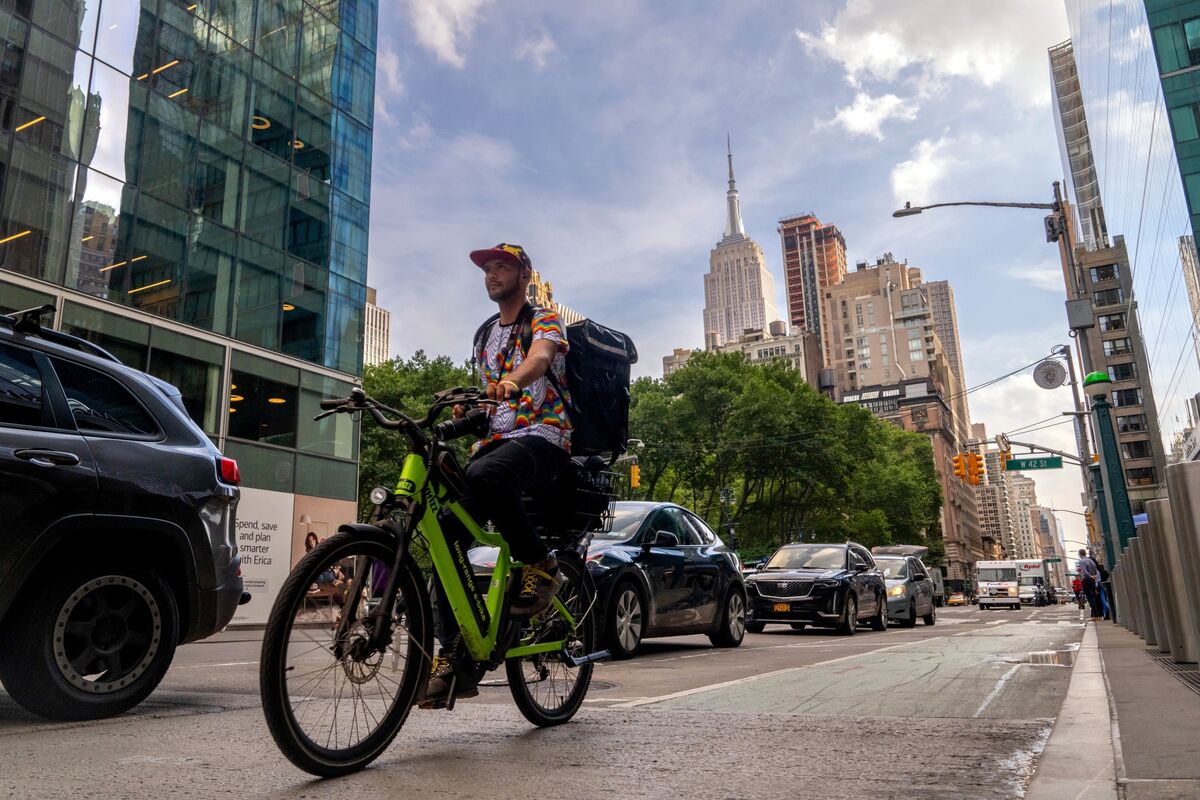
For travelers looking to explore Brooklyn or Queens on two wheels, the regulatory landscape requires a bit of homework. While e-bikes are not banned across the entirety of the five boroughs, their use is heavily curtailed in specific zones.
Pedestrian Zones and Public Parks
Many of the city’s most beloved recreational areas, including the High Line and the walkways of the Brooklyn Bridge, enforce strict “no-motor” policies. Even if a sign is not immediately visible, riding an e-bike in these areas can result in heavy fines. It is essential for tourists to recognize that while a traditional bicycle might be tolerated, the presence of a throttle or pedal-assist motor often triggers automatic enforcement from local authorities.
The Distinction Between Classes
Not all e-bikes are created equal in the eyes of the law. New York recognizes three distinct classes of electric bicycles:
- Class 1: Pedal-assist only, with a maximum speed of 20 mph.
- Class 2: Throttle-assisted, with a maximum speed of 20 mph.
- Class 3: Pedal-assist only, with a maximum speed of 28 mph.
Generally, Class 1 and Class 2 bikes are permitted on bike paths and streets, while Class 3 bikes are often restricted to the roadway. A major point of confusion for visitors is that throttle-controlled e-bikes, which are common in rental fleets, are sometimes treated with more scrutiny than pedal-assist-only models.
The Future of E-Mobility in the Urban Landscape
Despite the bans, e-bikes remain an essential component of the city’s economic lifeblood. Without these vehicles, the delivery systems that support Midtown restaurants and residential services would effectively collapse. The city is currently in a transitional phase, moving from reactive bans toward proactive infrastructure development.
Designing for the Future
Architects and urban planners are now looking at how to integrate dedicated “micromobility lanes” that separate e-bikes from both cars and pedestrians. Projects near the Hudson River have shown that when adequate space is provided, the conflict between cyclists and pedestrians drops significantly. However, these infrastructure upgrades are costly and require significant political capital to implement in an old city where street space is at a premium.
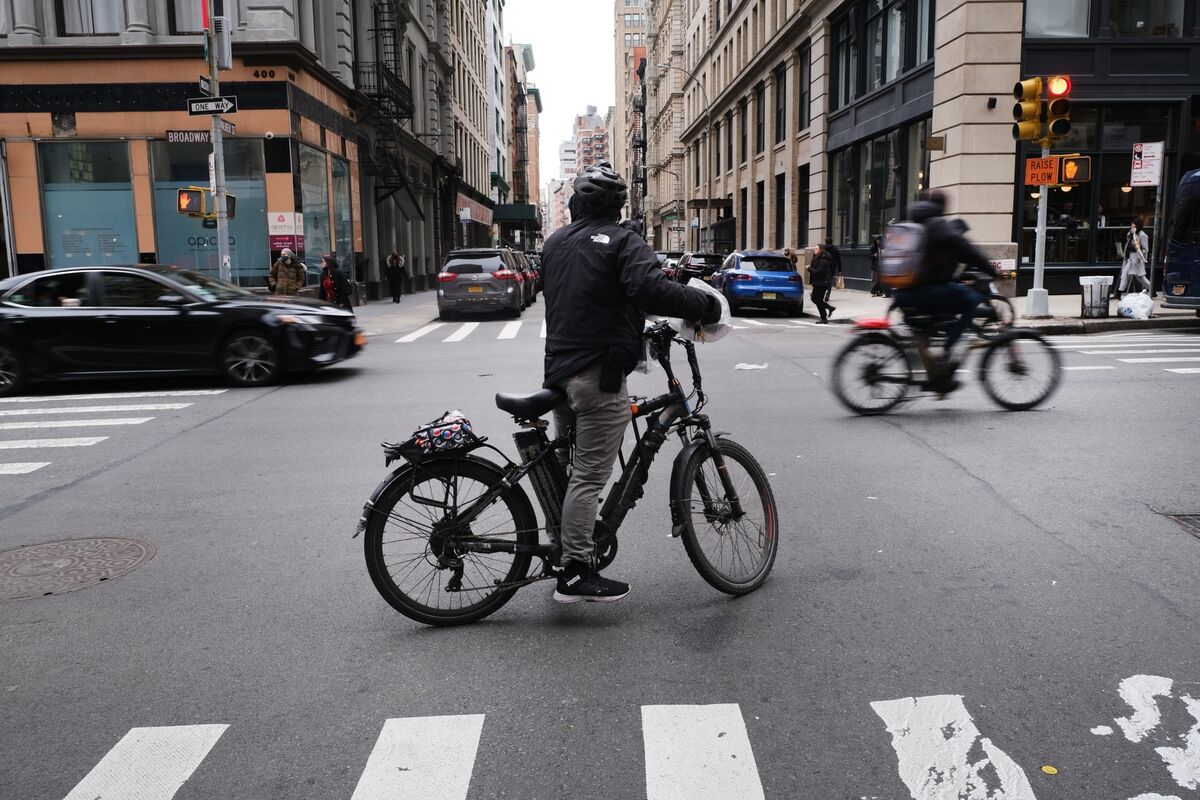
Recommendations for Travelers
If you are planning a trip to The Bronx or Staten Island, you should consider the following tips to ensure your sightseeing remains stress-free:
- Stick to Dedicated Bike Lanes: Whenever possible, use official bike infrastructure. Avoid sidewalks at all costs, as riding an e-bike on a sidewalk is illegal and heavily fined.
- Verify Rental Policies: If you are booking a tour, confirm with the operator whether they use Class 1, 2, or 3 bikes and where they are permitted to travel. Many reputable companies have pre-planned routes that avoid restricted zones.
- Respect Private Property Rules: If you are staying at a luxury hotel, such as the The Plaza Hotel or the Waldorf Astoria, do not assume you can store your rental e-bike in your room. Always check with the concierge regarding their specific policy on lithium-ion batteries and small electric vehicles.
- Use Public Transit for Long Crossings: If your destination requires crossing a major bridge where e-bikes are restricted, it is often faster and safer to use the New York City Subway to get to the other side before hopping back on a bike for neighborhood exploration.
The “ban” on e-bikes in New York is perhaps a misnomer; it is more accurately a highly localized series of restrictions designed to maintain order in one of the densest urban environments on earth. While the rules may seem erratic, they are rooted in the genuine necessity to keep pedestrians safe in crowded hubs like Rockefeller Center. As the city continues to adapt, the goal remains the same: a transport system that supports the speed of modern life while preserving the historic character that makes the city a global destination. By respecting these boundaries and remaining aware of the evolving regulations, you can still experience the exhilaration of cycling through the concrete jungle without falling afoul of the law.
LifeOutOfTheBox is a participant in the Amazon Services LLC Associates Program, an affiliate advertising program designed to provide a means for sites to earn advertising fees by advertising and linking to Amazon.com. Amazon, the Amazon logo, AmazonSupply, and the AmazonSupply logo are trademarks of Amazon.com, Inc. or its affiliates. As an Amazon Associate we earn affiliate commissions from qualifying purchases.