
The moniker “Gotham,” synonymous with the towering skyline and the intricate, sometimes dark, pulse of New York, is one of the most recognizable nicknames in urban history. While many modern residents and global travelers associate the name primarily with the grim, brooding landscape of comic books, the true roots of the title stretch back centuries, far beyond the invention of superheroes. Understanding why the city carries this name requires a journey through literary satire, cultural evolution, and the unique identity of one of the world’s most famous metropolises.
Washington Irving and the Satirical Origins
The association between the bustling metropolis of the United States and the name “Gotham” finds its inception in the early 19th century. In 1807, the famous American author Washington Irving began publishing a satirical periodical titled Salmagundi. In these pages, he sought to mock the social and political atmosphere of the city.
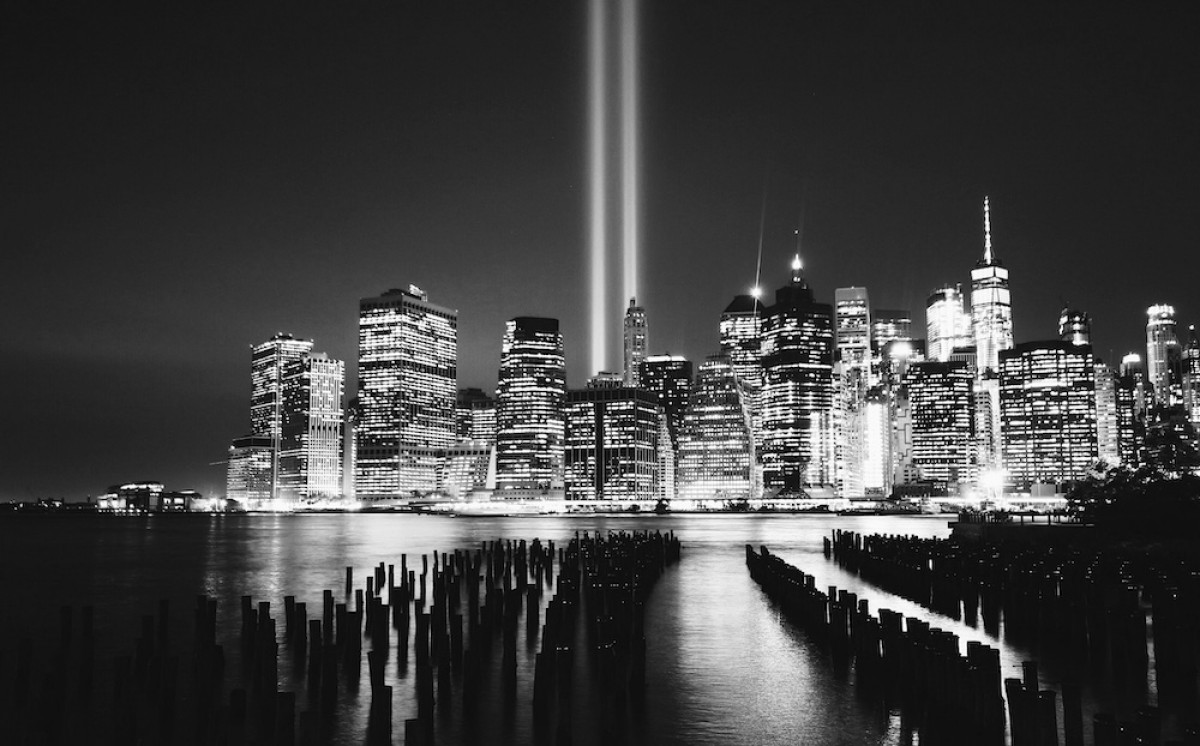
The Village of Gotham
Irving borrowed the name from a well-known English folktale concerning the village of Gotham, located in Nottinghamshire, England. According to the legend, the “Wise Men of Gotham” were anything but wise; they were known for their supposed foolishness and absurd behavior. By applying this name to the residents of New York City, Irving was delivering a biting, tongue-in-cheek insult, characterizing New Yorkers as eccentric, pretentious, and willfully dim-witted.
The Shift in Perception
At the time, the term was not intended to sound cool, dark, or heroic. It was an elite jab at the growing, boisterous population of the city. However, words often evolve independently of their original intent. As the city grew from a commercial hub into a global titan of finance, art, and culture, the ironic sting of the name faded, leaving behind only the rhythmic, punchy sound of the word itself. By the mid-1800s, “Gotham” had become a common, accepted nickname for the city, shed of its original connotations of village stupidity and repurposed to denote the sheer scale and complexity of the urban sprawl.
The Evolution of the Mythos
As the 20th century dawned, the nickname began to take on a life of its own, shedding the literary humor of the 1800s to mirror the visceral experience of living in a sprawling, vertical city. This transition was marked by a shift in how the public perceived the grandeur and the grit of the city streets.
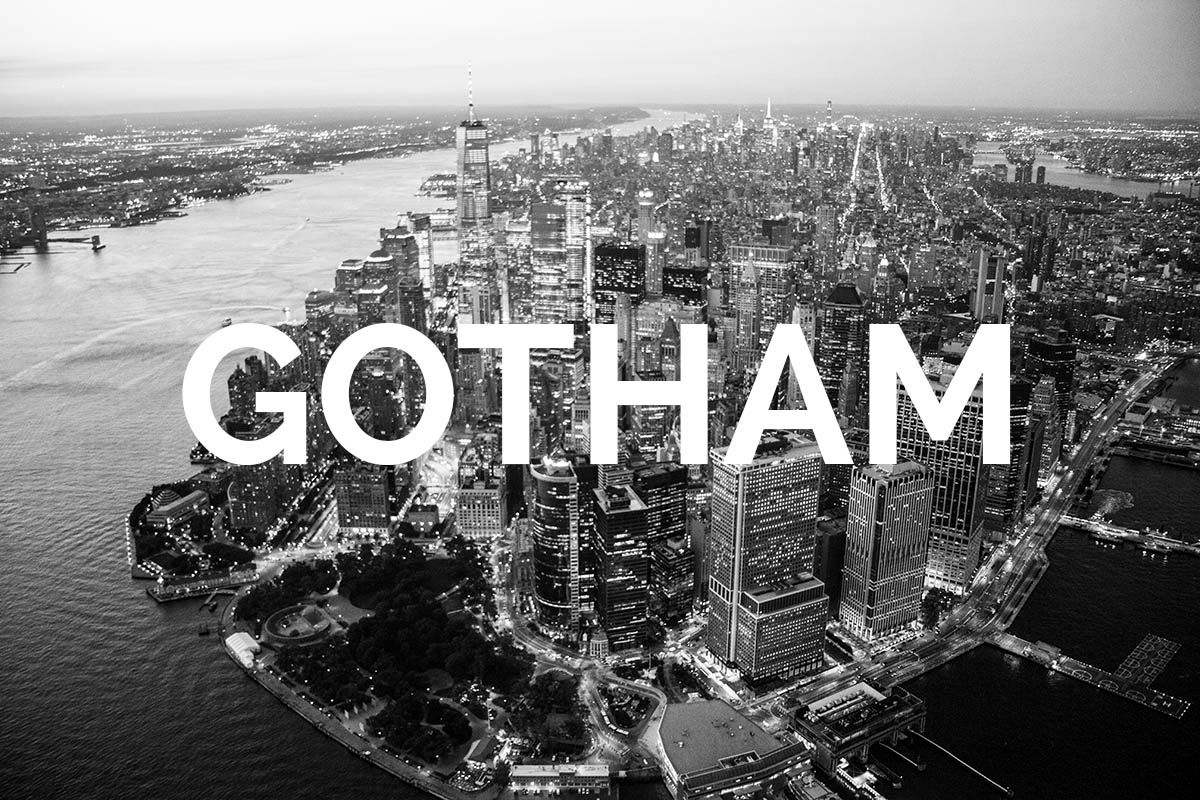
The Architecture of Intensity
The rise of iconic landmarks like the Empire State Building and the Chrysler Building transformed the skyline into something that felt gargantuan and almost otherworldly. The nickname “Gotham” fit perfectly with these stone giants. It captured the feeling of being dwarfed by architecture, the shadows cast by canyons of steel, and the anonymous nature of a bustling populace. It suggested a city that possessed its own gravity, a place that was constantly churning with an energy that felt both magnificent and daunting.
A Literary and Cinematic Transformation
The evolution of the term reached its peak with the emergence of pulp fiction and, eventually, comic books. In 1940, writer Bill Finger, working on the Batman series, decided that the hero needed a home base that felt more distinct than a generic city. He scanned a phone directory, saw the name “Gotham Jewelers,” and chose the name. This cemented the link between the nickname and the dark, noir-inspired aesthetic that has defined the public’s view of Manhattan ever since.
The Cultural Significance Today
Today, the term “Gotham” functions as more than just a synonym for the city; it acts as a cultural shorthand for the duality of urban life. When locals or tourists use the name, they are often acknowledging the friction between the city’s glossy, high-society facade and its gritty, historical underbelly.
Tourism and the Gotham Brand
The fascination with the city’s nickname has become a pillar of its tourism identity. Visitors flock to Times Square or walk the Brooklyn Bridge with the dramatic, noir-inspired tone of “Gotham” in mind. It provides a narrative framework for the visitor experience—the idea that one is exploring a city that is larger than life, full of hidden stories, and deeply grounded in its own unique history. The name bridges the gap between the historical New Amsterdam foundations and the modern, neon-lit corridors that dominate the global imagination.

Why the Name Persists
There is an inherent resilience in the name “Gotham.” It survives because it is adaptable. It is a word that can be whispered in the context of a jazz club in Greenwich Village or shouted in the excitement of a Broadway show. It represents a city that is constantly reinventing itself while refusing to let go of its past.
Furthermore, the nickname gives the city a singular personality. Unlike “The Big Apple,” which carries a lighter, more whimsical air, “Gotham” carries weight. It implies depth. Whether one is looking at the Statue of Liberty at sunset or navigating the crowded platforms of Grand Central Terminal, the aura of the city is undeniably intense.
Ultimately, Washington Irving’s original joke, intended to mock the city’s inhabitants, backfired in the most spectacular way possible. Instead of becoming a marker of foolishness, the name grew into a badge of honor, symbolizing the complexity, the intrigue, and the indomitable spirit of the city. To call it Gotham is to recognize it as a place of endless possibility, where every street corner hides a secret, and every shadow tells a story. It is a name that acknowledges the grit required to thrive in such a massive, ever-shifting environment, making it perhaps the most accurate, if unintentional, nickname a city has ever received. The legacy of the “Wise Men” is long forgotten, replaced by the reality of a modern urban titan that commands the attention of the world.
LifeOutOfTheBox is a participant in the Amazon Services LLC Associates Program, an affiliate advertising program designed to provide a means for sites to earn advertising fees by advertising and linking to Amazon.com. Amazon, the Amazon logo, AmazonSupply, and the AmazonSupply logo are trademarks of Amazon.com, Inc. or its affiliates. As an Amazon Associate we earn affiliate commissions from qualifying purchases.