
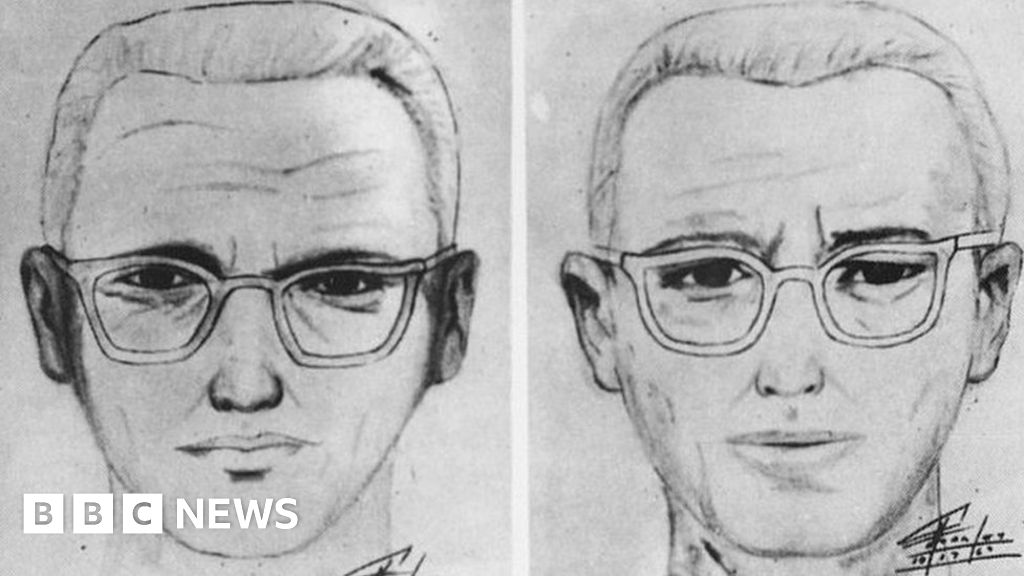
The intersection of true crime and urban exploration often leads travelers to the most shadowed corners of history. For decades, the legend of the Zodiac Killer has cast a long, chilling shadow over California, specifically the areas surrounding San Francisco and the Bay Area. However, the persistent allure of this mystery has frequently drawn speculation toward the East Coast, specifically New York. While enthusiasts often scour the streets of Manhattan or the boroughs of New York City for clues linking the elusive predator to the city that never sleeps, the reality remains deeply rooted in the history of the West.
The Geography of a Cold Case
To understand why the Zodiac mystery often migrates in the public imagination toward America, one must first analyze the geography of the crimes. The confirmed victims were found in Benicia, Vallejo, Lake Berryessa, and the Presidio district. These locations are quintessential parts of the United States West Coast identity.
The investigative focus has remained steadfastly on the Pacific region for over fifty years. When rumors surface—or when armchair detectives claim a connection to the Empire State—they are usually based on a misunderstanding of the killer’s psychological profile. A serial offender who centered their identity around taunting the San Francisco Chronicle would have found little utility in migrating to the Atlantic coast, where the local media landscape and the physical distance would have rendered their “Zodiac” persona impotent.
The Myth of the East Coast Connection
There is no verifiable evidence that the Zodiac Killer was ever active in the Northeast. The theories suggesting he fled to Brooklyn or sought anonymity in Queens are largely the product of creative narrative building rather than forensic science. Travelers visiting the Big Apple who seek out “Zodiac landmarks” will find none, because the narrative of the killer is inherently tied to the topography of the Golden State.
Investigating the Evidence Beyond the Myths
For those interested in the history of the case, the allure of the mystery often overshadows the tragedy. True crime tourism, while a burgeoning field, requires a level of respect for the victims. In [California], many people visit the sites of the crimes as a way to contextualize the historical significance of the terror that gripped the region in the late 1960s.

Forensic Breakthroughs and Modern Technology
Modern law enforcement, utilizing genetic genealogy, has made significant strides in closing cold cases across the country. In the case of the Zodiac, the focus remains on the DNA evidence recovered from clothing and stamps. None of the modern breakthroughs have pointed toward a New York suspect. If the case were ever to be solved, it would almost certainly involve a profile connected to the Sacramento Valley or the urban centers of the Pacific Coast.
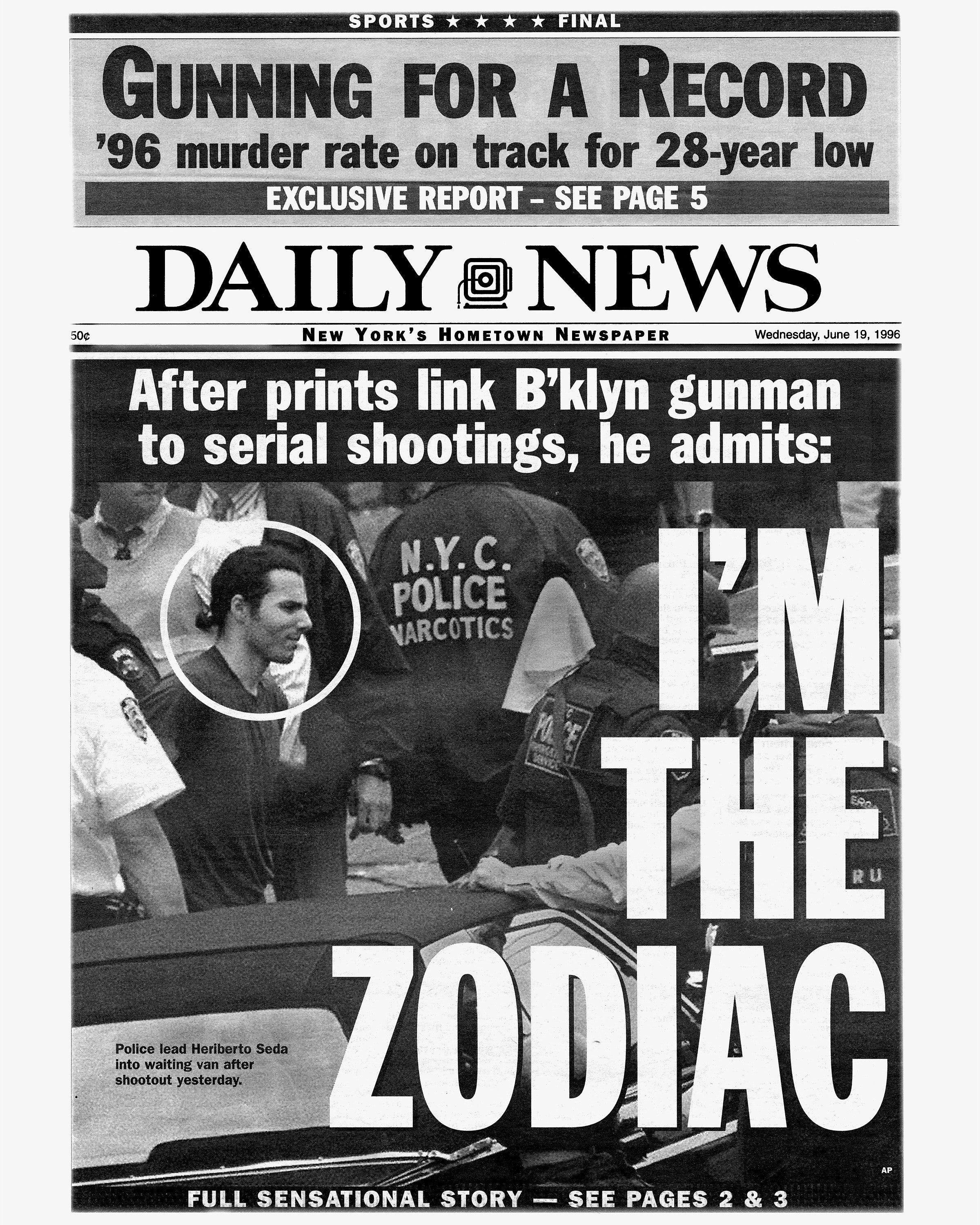
The claim that the killer was “caught” in New York is a common internet fabrication, often confused with other serial killers who did operate in New York State, such as the Son of Sam, who terrorized the city in the late 1970s. The distinct methodologies of these individuals demonstrate two entirely different criminal signatures, separated by thousands of miles and fundamentally different motives.
The Cultural Impact of Crime Tourism
Travelers often find themselves drawn to the locations where major historical events occurred. Whether it is the site of the Statue of Liberty or the scene of a notorious crime, humanity possesses an innate desire to stand in the footprint of history. However, it is essential to distinguish between historical landmarks and the urban legends that populate the darker corners of the internet.
Distinguishing Fact from Fiction
When exploring the culture of North America, it is helpful to use reliable resources. If a story sounds as if it has been curated for sensationalism, it likely has. The Zodiac case is a testament to the power of media and the way in which a mystery can become a piece of folklore. In [New York City], the local culture is defined by its resilience and its vibrant history, not by the legacy of an unsolved case from across the continent.
Travelers interested in the history of law enforcement in the city might instead visit the New York City Police Museum or explore the architecture of historic courthouses in Lower Manhattan. These sites provide a genuine look into the development of the city, rather than a detour into the myths of a killer who never left the West Coast.
Conclusion: Understanding the Legacy
The question of whether the Zodiac Killer was ever in New York is definitively answered with a “no.” By looking at the facts, travelers can gain a better appreciation for the specific regional histories that shape the United States. Whether you are walking through Central Park or driving down the Pacific Coast Highway, every destination offers its own unique narrative.
The mystery of the Zodiac remains a haunting chapter in San Francisco history, but it is one that belongs to the Western United States. As visitors navigate the diverse landscapes of this country, focusing on the cultural, historical, and architectural significance of these regions provides a much richer experience than chasing the ghosts of unresolved crimes. The next time you find yourself planning a trip, look toward the landmarks that define the spirit of discovery and the vibrant, complex history of the cities you choose to explore. Whether you are heading to the bustling streets of Wall Street or the serene vistas of Marin County, remember that every place has a story—some are historical realities, and others are simply echoes of a legend that refuses to fade.
LifeOutOfTheBox is a participant in the Amazon Services LLC Associates Program, an affiliate advertising program designed to provide a means for sites to earn advertising fees by advertising and linking to Amazon.com. Amazon, the Amazon logo, AmazonSupply, and the AmazonSupply logo are trademarks of Amazon.com, Inc. or its affiliates. As an Amazon Associate we earn affiliate commissions from qualifying purchases.