
Travelers planning an excursion through the heart of the American Midwest often find themselves considering the gear they carry for utility and personal safety. For those traversing the diverse landscapes of Oklahoma, understanding local statutes regarding everyday carry items is essential. Whether you are trekking through the rugged terrain of the Wichita Mountains Wildlife Refuge or exploring the vibrant urban corridors of Oklahoma City, legal compliance ensures that your focus remains on the experience rather than unnecessary complications with local authorities.
The Evolution of Blade Laws in the Sooner State
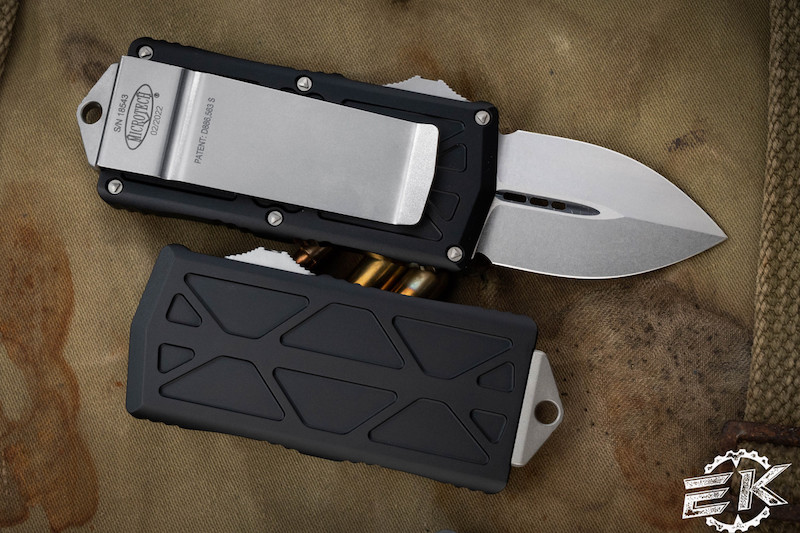
For many years, the legislative landscape regarding folding knives and automatic blades in Oklahoma was nuanced and often confusing for out-of-state visitors. Historically, many jurisdictions across the United States maintained strict prohibitions on “switchblades”—knives with a blade that opens automatically by hand pressure applied to a button, spring, or other device in the handle.
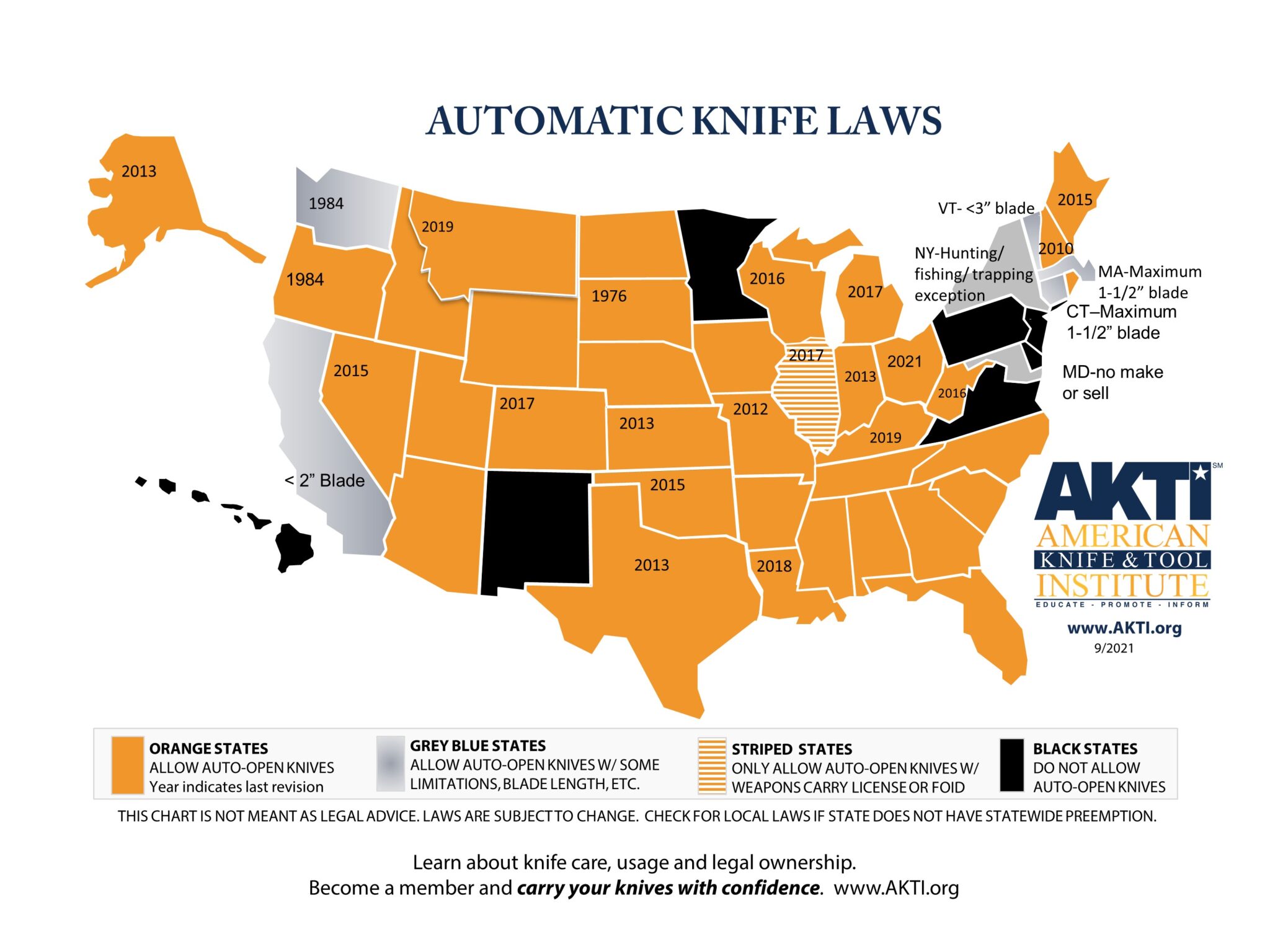
However, the legal environment in Oklahoma underwent a significant shift in 2016. The passage of Senate Bill 1159 effectively decriminalized the possession of automatic knives, commonly referred to as switchblades. This change brought the state in line with a broader trend of knife law reform across the United States, favoring the rights of individuals to carry tools for utility, recreation, and self-defense without fear of criminal prosecution.
Understanding Current Legal Standing
Today, the state of Oklahoma is widely considered “knife-friendly.” There are no statewide restrictions on the possession, carry, or sale of automatic knives. This includes:
- Switchblades
- Gravity knives
- Balisongs (butterfly knives)
- Stilettos
This legislative clarity is a boon for outdoor enthusiasts who spend time in places like Robbers Cave State Park, where a reliable, quick-deploying knife can be a functional tool for setting up campsites, cutting rope, or preparing gear.
Navigating Local Ordinances and Restricted Areas
While state law generally governs knife possession, savvy travelers must remain cognizant of the “preemption” nuances and potential local exceptions. While Oklahoma state law generally supersedes local ordinances, there are specific locations where carrying any blade—regardless of its opening mechanism—may be restricted or prohibited entirely.
High-Security Facilities and Public Buildings
When visiting iconic landmarks or administrative centers such as the Oklahoma State Capitol, standard security protocols apply. Even if a switchblade is legal to carry on a public hiking trail or in a rental car, you should expect to pass through metal detectors or security screenings at:
- Courthouses
- Government buildings
- Secure areas of airports
- Professional sporting venues
If you find yourself visiting the National Cowboy and Western Heritage Museum, it is highly advisable to leave your pocket knife in your vehicle. Security personnel at private institutions and federal facilities maintain the right to restrict carry items, and being caught with a blade in these zones can lead to immediate ejection or further legal action, regardless of the legality of the knife elsewhere in the state.
School Zones and Educational Institutions
A critical distinction in Oklahoma law pertains to educational institutions. Even in states where knife laws are permissive, schools often maintain a “zero-tolerance” policy. If your travel itinerary involves visits to campuses such as the University of Oklahoma or Oklahoma State University, it is strictly prohibited to carry any form of blade, automatic or otherwise, onto school grounds. This is a common regulatory practice across the country, and travelers should prioritize compliance to avoid severe legal repercussions.
Best Practices for Travelers Carrying Tools
If you are a collector or a frequent user of automatic knives, carrying one during a road trip requires a balance of transparency and common sense. Even when acting within the letter of the law, the “intent” of the carrier is often scrutinized by law enforcement during routine stops or interactions.
Maintaining a Low Profile
The concept of “concealed carry” is generally not a significant legal hurdle for knives in Oklahoma, but discretion is the better part of valor. A knife should be treated as a tool, not a display item. When walking through a busy tourist district like Bricktown or browsing the shops in Tulsa, ensure your knife is securely clipped inside a pocket rather than hanging openly on your belt. This minimizes the risk of alarming the public or attracting unnecessary attention from security personnel.
Knowledge of Reciprocity and Border Crossings
If your travels take you beyond the borders of Oklahoma, remember that your legal status changes the moment you cross the state line. If you are heading west into Texas, you will find similarly favorable knife laws. However, if you are traveling to more restrictive jurisdictions, it is vital to research the specific statutes of your destination. Always store your blades in a locked container or inside your checked luggage if you are traveling via air, as transportation security regulations differ vastly from state-level carry laws.
Choosing the Right Tool for the Environment
While a high-end switchblade might be a joy to handle, consider the practicality of your tool based on your specific activities. If you are enjoying a luxury stay at the Skirvin Hilton Hotel, your need for an automatic knife is minimal. However, if your trip involves an adventurous excursion through the Alabaster Caverns State Park, having a sturdy, fixed-blade or a reliable, traditional locking folder might be more practical and less prone to mechanical failure in rugged environments.

Final Considerations for a Seamless Experience
Travelers often find that the best way to enjoy the beauty of Oklahoma is to minimize friction. The state’s progressive stance on knife ownership reflects its rugged, self-reliant heritage. By respecting the nuances of school zones, government facilities, and private property, you can freely carry your tools of choice as you explore the rolling plains, historic sites, and urban wonders of the region.
Ultimately, being an informed traveler is about more than just knowing where you can go—it is about knowing how to carry yourself in a way that respects local culture and legal frameworks. By keeping your gear in good condition and being mindful of your surroundings, your adventures through the Heartland will remain as enjoyable and uninterrupted as possible. Stay aware, stay informed, and enjoy the hospitality of this unique and welcoming state.
LifeOutOfTheBox is a participant in the Amazon Services LLC Associates Program, an affiliate advertising program designed to provide a means for sites to earn advertising fees by advertising and linking to Amazon.com. Amazon, the Amazon logo, AmazonSupply, and the AmazonSupply logo are trademarks of Amazon.com, Inc. or its affiliates. As an Amazon Associate we earn affiliate commissions from qualifying purchases.