
Navigating the dissolution of a marriage is a complex journey, often requiring a shift in perspective similar to planning a major life transition or a cross-country move. While legal procedures are distinct from travel logistics, the importance of preparation, understanding local regulations, and managing one’s environment remains constant. For those residing in Oklahoma, understanding the procedural landscape is the first step toward moving forward into a new chapter of life.
Residency Requirements and Venue Selection
Before any paperwork can be filed, one must ensure that the legal requirements for venue and residency are met. Just as you would research the entry requirements for a foreign country before booking a trip to France or Italy, you must confirm your standing within the Oklahoma court system.
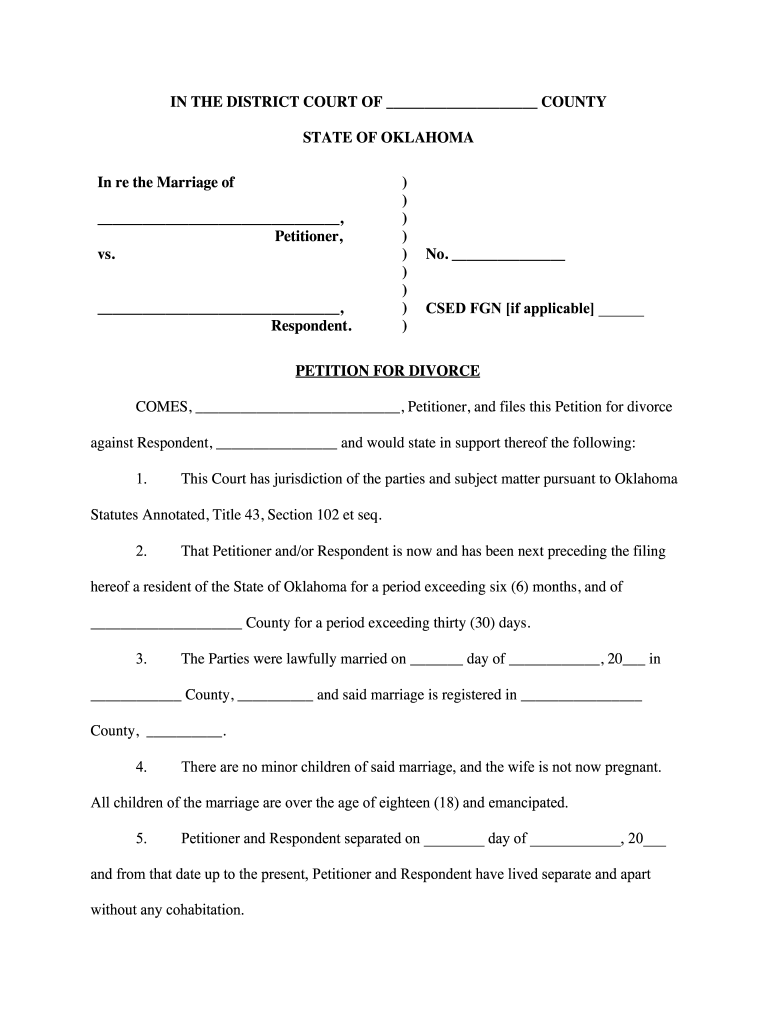
Establishing Residency
In Oklahoma, at least one spouse must have been a resident of the state for at least six months prior to filing the petition for dissolution of marriage. Furthermore, the spouse filing must generally be a resident of the specific county where the petition is filed for at least thirty days. This is a foundational step, comparable to establishing a home base in a city like Tulsa or Oklahoma City before you can claim local benefits or access local services.
Choosing the Correct Jurisdiction
Determining the correct district court is essential. Typically, you file in the county where either you or your spouse resides. If you are unsure which county court handles your case, you may need to consult the district court clerk’s office in the area where you live. Much like choosing a reliable Marriott Hotel or Hilton for a stay, ensuring your “legal address” is accurate prevents unnecessary delays and complications during the process.
The Filing Process: Documenting Your Departure
Once the residency criteria are satisfied, the actual filing process commences. This phase involves a series of administrative steps that require precision and attention to detail, much like managing a detailed itinerary for a long-term journey across North America.
Drafting the Petition
The filing spouse—the petitioner—must prepare and file a “Petition for Dissolution of Marriage” with the court clerk. This document outlines the grounds for divorce, which in Oklahoma is typically “incompatibility.” This is the legal equivalent of stating that the partnership is no longer viable and that differences have become irreconcilable.
Serving the Other Party
After the petition is filed, it must be served to the respondent (the other spouse). This formal notification process is critical. You can accomplish this through a process server or by the respondent signing a “Waiver of Service.” Think of this as finalizing your travel bookings; without formal confirmation, your plans remain in limbo. Proper service ensures that the respondent has the opportunity to review the documents and respond within the statutory timeframe, usually twenty days in the state of Oklahoma.
Financial Disclosure and Asset Management

A divorce, much like a budget-conscious trip to a destination like Mexico or Costa Rica, requires a transparent audit of your resources. Failing to account for all assets and liabilities can lead to future complications, much like arriving at a resort without sufficient funds or proper travel documentation.
The Mandatory Financial Affidavit
In most Oklahoma counties, both parties are required to complete and exchange a financial affidavit. This document provides a comprehensive overview of income, assets, debts, and monthly expenses. Transparency is key here. Attempting to hide assets during this phase is akin to trying to bypass customs with prohibited items; it risks legal penalties and undermines the integrity of the proceedings.
Negotiating Property Division
Oklahoma is an equitable distribution state. This means that marital property—assets acquired during the marriage—is divided in a way the court deems fair, though not necessarily equal. It is often wise to engage in mediation to reach a settlement agreement, especially if you have shared investments, real estate, or complex financial portfolios. Much like selecting a suite at a Four Seasons Resort that meets all your travel needs, a mutually agreed-upon settlement allows both parties to enter their next phase of life with clearly defined resources.
Parenting Plans and Custody Considerations
When children are involved, the complexity of the divorce increases. The court’s primary focus is the “best interests of the child.” This stage requires a level of coordination and cooperation that mirrors the logistics of planning a family vacation to a national park like Yellowstone or a landmark such as the Grand Canyon.
Creating a Parenting Plan
A parenting plan details custody, visitation schedules, and decision-making responsibilities. It is highly recommended that parents draft this plan together. If you cannot agree, the court will intervene, which removes your ability to tailor the plan to your family’s unique needs. Consider your children’s educational and extracurricular commitments just as you would consider the operating hours and accessibility of a major tourist attraction like the Eiffel Tower when mapping out a family holiday.
Mandatory Education Programs
Oklahoma requires parents of minor children to attend an educational seminar regarding the impact of divorce on children. This program provides insights into managing the emotional transition, providing stability for the children, and navigating the new family dynamic. Think of this as attending a pre-departure orientation; it provides the tools and information necessary to navigate the path ahead effectively and with minimal disruption.
Finalizing the Decree: Closing the Chapter
The final stage of the divorce process is the court’s entry of the Decree of Dissolution of Marriage. This document officially terminates the marital bond and codifies the agreements made regarding property, debts, and children.
Obtaining the Final Signature
Once all issues are resolved—either through mediation or court order—the decree is presented to the judge for signature. After the judge signs the decree and it is filed with the court clerk, the divorce is legally finalized. Much like the conclusion of a well-planned excursion to London or Tokyo, reaching the end of the legal process provides a sense of closure and allows you to transition back into your daily routine with a clearer sense of direction.

Post-Divorce Logistics
Following the decree, it is essential to update legal documents, such as wills, insurance policies, and beneficiary designations. Neglecting these details is similar to leaving your travel documents in an unsecure location; it can lead to confusion and unnecessary risk later on. By systematically addressing these final tasks, you ensure that your post-divorce life is organized, stable, and ready for whatever new experiences or destinations you choose to explore next. Moving forward with a clear head and a solid plan is the most effective way to manage any significant transition, whether it is ending a marriage in Oklahoma City or embarking on a long-awaited international voyage.
LifeOutOfTheBox is a participant in the Amazon Services LLC Associates Program, an affiliate advertising program designed to provide a means for sites to earn advertising fees by advertising and linking to Amazon.com. Amazon, the Amazon logo, AmazonSupply, and the AmazonSupply logo are trademarks of Amazon.com, Inc. or its affiliates. As an Amazon Associate we earn affiliate commissions from qualifying purchases.