
Operating a farming or ranching enterprise in Oklahoma is a journey deeply rooted in the state’s agricultural heritage. From the sprawling cattle ranches in Osage County to the vast wheat fields stretching across Alfalfa County, the state provides a unique ecosystem for producers. To sustain these operations, the Oklahoma Tax Commission offers a vital financial tool: the agricultural sales tax exemption permit. Understanding the eligibility, application process, and compliance requirements is essential for any producer looking to optimize their operational expenses.
Understanding Agricultural Exemption Eligibility
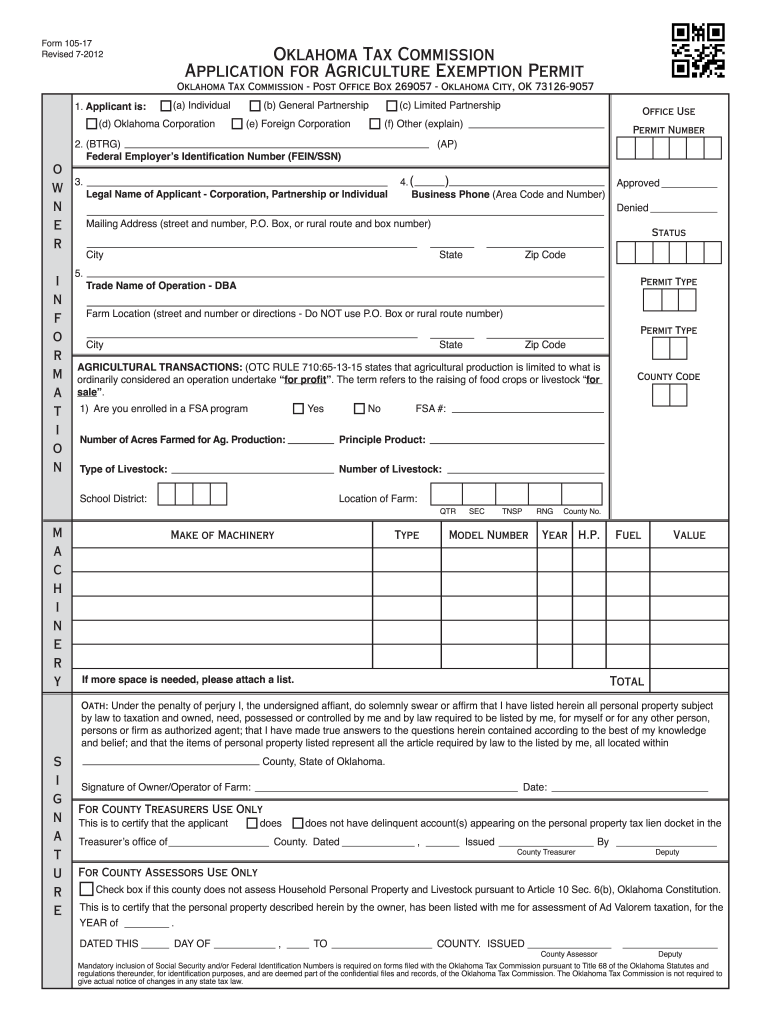
Before embarking on the application process, it is critical to determine if your operation qualifies for an agricultural tax exemption. In Oklahoma, the exemption is not a blanket status; it is strictly intended for individuals or entities engaged in the business of farming or ranching for profit.
Defining Qualified Farming Activities
To meet the criteria, your primary activity must involve the production of food, fiber, or other agricultural commodities. This includes, but is not limited to:
- Cultivation of soil for the growth of crops.
- Raising of livestock, poultry, or dairy cattle.
- Commercial aquaculture.
- Beekeeping and the production of honey.
- The production of nursery stock or greenhouse products intended for sale.
It is important to note that hobby farming or purely aesthetic gardening does not qualify. The Oklahoma Tax Commission requires evidence that the activity is a bona fide business enterprise with the intent to generate income.
Proving Profit Intent
The state may request documentation to substantiate your agricultural activities. This might include:
- Internal Revenue Service Schedule F tax forms from previous years.
- Business plans outlining production goals.
- Lease agreements or deeds demonstrating access to the land.
- Receipts or invoices showing the sale of agricultural products.
By maintaining organized records from the outset, producers in regions like McCurtain County or Cimarron County can streamline the verification process and ensure their status remains in good standing.
The Application Process: A Step-by-Step Guide
The process of obtaining an agricultural exemption permit has been modernized significantly, allowing producers to apply primarily through digital platforms. This efficiency is a boon for busy farmers during planting or harvest seasons.
Navigating the Oklahoma Taxpayer Access Point
The primary portal for filing is the Oklahoma Taxpayer Access Point, known as OKTAP. This system serves as a centralized hub for tax filings and permit management.
- Create an Account: If you do not already have an account, register on the Oklahoma Taxpayer Access Point using your legal business name and social security number or Employer Identification Number.
- Locate the Exemption Module: Once logged in, navigate to the “Apply for an Agricultural Exemption” section.
- Submit Required Details: You will need to provide information about your land, the types of commodities you produce, and your estimated annual gross receipts.
- Verification: The Oklahoma Tax Commission will review the application. In some instances, they may request further documentation or clarification via the portal.

Understanding the Permit and Renewal
Once approved, you will receive an Agricultural Exemption Permit. This permit contains your unique permit number, which must be presented to vendors whenever you make an exempt purchase.
Renewals are typically required every few years to ensure your operation remains active and compliant. The Oklahoma Tax Commission sends renewal notices to the address on file, but it is the responsibility of the producer to track expiration dates to prevent any lapse in coverage.
Maximizing Your Exemption: What Qualifies for Savings?
Possessing an exemption permit is only half the battle. To truly benefit, you must understand exactly which purchases qualify for sales tax relief. The state provides broad exemptions on items used directly in the production of agricultural products.
Qualifying Purchases
- Production Supplies: Seeds, fertilizer, feed, pesticides, and herbicides.
- Equipment and Machinery: Tractors, balers, irrigation systems, and specialized farm implements.
- Fuel and Energy: Motor fuel used in farm vehicles and electricity used exclusively for agricultural operations, such as running irrigation pumps or cooling dairy facilities.
- Repairs and Maintenance: Parts and labor specifically for equipment used in the agricultural process.
Non-Qualifying Items
It is a common misconception that all farm-related purchases are exempt. Items that typically do not qualify include:
- Personal vehicles (even if driven on the farm).
- Materials used for residential housing or personal domestic use.
- Office supplies, unless exclusively used for farm record-keeping.
- Clothing and footwear, even if durable, are generally treated as personal expenses.
When purchasing from retailers in commercial hubs like Oklahoma City or Tulsa, always have your permit number ready. Keep in mind that vendors are required to collect sales tax unless a valid, active exemption number is provided at the point of sale. If you neglect to provide your number, you may be able to claim a refund later, but it is a cumbersome administrative burden that is best avoided.
Best Practices for Compliance and Record Keeping
Maintaining your tax exemption status requires diligent bookkeeping. The Oklahoma Tax Commission has the authority to audit agricultural permits, and a lack of documentation can result in the loss of exemption or the assessment of back taxes and penalties.
Building a Compliance Folder
Whether your farm is located near the rolling hills of Osage County or the plains of Alfalfa County, your compliance folder should be a staple of your business management. Include:
- A physical or digital copy of your active Oklahoma Agricultural Exemption Permit.
- A categorized list of vendors where you frequently utilize your exemption.
- Invoices for all tax-exempt purchases, clearly marked with the purpose of the item.
- Any correspondence from the Oklahoma Tax Commission regarding your account status.

Staying Informed on Regulatory Changes
Agricultural tax laws are subject to legislative updates. It is wise to periodically check the Oklahoma Tax Commission website for any changes in eligibility or definitions of “agricultural production.” Furthermore, professional organizations like the Oklahoma Farm Bureau often provide resources and seminars to help producers stay ahead of regulatory shifts.
By taking the time to properly register for and manage your agricultural tax exemption, you are not only saving money on critical operational costs but also professionalizing your farm’s financial infrastructure. This attention to detail allows you to reinvest those savings back into your operation, whether it is upgrading equipment, improving livestock facilities, or expanding your crop yields. With a clear understanding of the rules and a proactive approach to filing, you ensure that your Oklahoma farm remains competitive and financially sound for years to come.
LifeOutOfTheBox is a participant in the Amazon Services LLC Associates Program, an affiliate advertising program designed to provide a means for sites to earn advertising fees by advertising and linking to Amazon.com. Amazon, the Amazon logo, AmazonSupply, and the AmazonSupply logo are trademarks of Amazon.com, Inc. or its affiliates. As an Amazon Associate we earn affiliate commissions from qualifying purchases.