
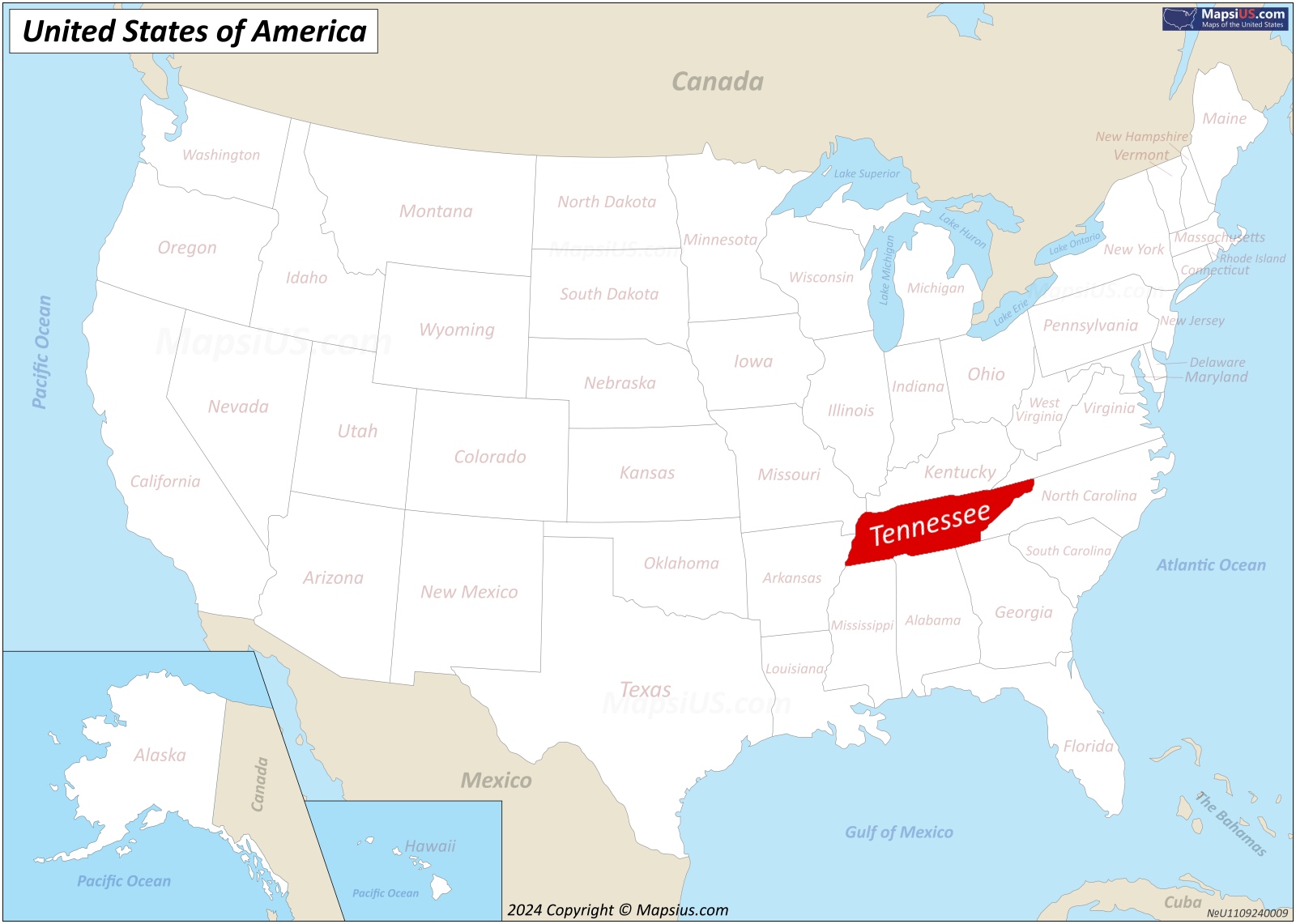
For travelers planning a journey across the heart of the United States, understanding the spatial relationship between Oklahoma and Tennessee is essential. These two states sit within the broader Southern United States, yet they offer vastly different topographies, cultural landscapes, and travel experiences. Whether you are driving across the Great Plains or navigating the rolling hills of the Appalachian Mountains, mapping out the distance between these two states is the first step toward an unforgettable road trip.
Understanding the Geographic Distance
When calculating the distance between Oklahoma, which is located in the South Central region, and Tennessee, located in the Southeastern region, the numbers can vary significantly based on your start and end points.
Straight-Line Distance vs. Road Mileage
As the crow flies, the distance between the border of Oklahoma and the border of Tennessee is relatively short, as the two states are separated only by Arkansas and a small portion of the Mississippi River. In a straight line, the distance between state capitals, Oklahoma City and Nashville, is approximately 600 miles.
However, road travel tells a different story. The driving distance between Oklahoma City and Nashville spans roughly 700 to 750 miles. Depending on your choice of route, this journey typically takes between 10 and 12 hours of pure driving time, excluding necessary stops for fuel, food, or sightseeing.
Key Transit Routes
Most travelers traversing this distance rely on the Interstate Highway System. The most common route involves taking Interstate 40, a major artery that cuts directly through the heart of both states. This route is favored for its efficiency, as it connects the urban centers of both states while passing through the scenic landscapes of Arkansas and the Ozark Mountains.
Travel Considerations and Logistics
Driving between these two states is not just about the distance; it is about the experience of crossing different climatic and cultural zones. Preparing for a 700-mile drive requires logistical foresight.
Ideal Stopover Locations
If you are planning to break up the drive, there are several noteworthy locations along the path of Interstate 40 that are worth a visit:

- Fort Smith, Arkansas: Located right on the border of Oklahoma, this city offers a rich history of the American frontier and the “Old West.”
- Little Rock, Arkansas: As the midpoint of your journey, Little Rock serves as an excellent place to refuel, explore the Clinton Presidential Center, or enjoy a meal along the Arkansas River.
- Memphis, Tennessee: Before arriving in Nashville, a stop in Memphis allows travelers to visit legendary sites such as Graceland or sample world-famous barbecue.
Best Time to Travel
The climate in both states can be unpredictable, particularly during transition seasons. Oklahoma is prone to spring storms, while Tennessee experiences high humidity during the summer months. For the most comfortable driving experience, spring (April to May) or autumn (late September to October) offers mild temperatures and beautiful scenery, particularly as you cross the wooded landscape of Arkansas.
Exploring the Cultural Contrast
Traveling from Oklahoma to Tennessee provides a unique window into the diversity of American culture. While both share a Southern influence, their historical roots and identities are distinct.
The Western Heritage of Oklahoma
Oklahoma is deeply defined by its Native American heritage and its history as “Indian Territory.” Visiting the National Cowboy and Western Heritage Museum in Oklahoma City provides deep insight into this legacy. The landscape is characterized by wide-open plains, rolling hills, and the windswept beauty of the Tallgrass Prairie Preserve.
The Musical Legacy of Tennessee
In contrast, Tennessee is synonymous with the history of American music. Nashville serves as the global hub for country music, with the Grand Ole Opry and Ryman Auditorium standing as cultural monuments. Further west, Memphis claims its place as the birthplace of blues and the home of rock and roll. The state’s geography is equally compelling, featuring the Great Smoky Mountains National Park, one of the most visited natural attractions in the entire country.
Strategic Planning for Road Trips
For those choosing to drive, the journey between these two states is an opportunity to explore the lesser-known gems of the American South.
Vehicle Preparation
Given the distance of over 700 miles, ensuring your vehicle is in top condition is paramount. Check tire pressure, fluid levels, and cooling systems, as Oklahoma summers can be punishing on older engines. If you are renting a vehicle, consider a mid-size SUV to handle the varying terrain and to provide ample comfort for long hours on the road.
Navigation and Digital Tools
While Interstate 40 is straightforward, relying on digital mapping applications is recommended to monitor real-time traffic conditions. Traffic congestion in major metropolitan areas like Oklahoma City, Little Rock, and Nashville can add significant time to your journey. By staying updated through GPS services, you can navigate around bottlenecks and adjust your arrival expectations accordingly.

Final Thoughts on the Journey
The distance between Oklahoma and Tennessee is more than just a measurement of miles; it is a gateway to understanding the expansive geography of the central United States. Whether your motivation is business, exploration, or visiting family, the journey offers a chance to witness the slow transformation of the landscape from the plains of the West to the verdant mountains of the East. Pack your bags, prepare your playlist, and enjoy the ride across the historic corridors of America. The shift in culture, cuisine, and scenery makes every mile worth the effort.
LifeOutOfTheBox is a participant in the Amazon Services LLC Associates Program, an affiliate advertising program designed to provide a means for sites to earn advertising fees by advertising and linking to Amazon.com. Amazon, the Amazon logo, AmazonSupply, and the AmazonSupply logo are trademarks of Amazon.com, Inc. or its affiliates. As an Amazon Associate we earn affiliate commissions from qualifying purchases.