
New Orleans, often affectionately known as the Big Easy, is a city that pulses with a unique rhythm, a captivating blend of history, culture, and irresistible charm. From the soulful strains of jazz drifting through cobblestone streets to the tantalizing aroma of Creole cuisine, it’s a destination that promises unforgettable experiences. However, for many prospective travelers, a crucial question often arises before booking their trip: Is New Orleans safe? This concern is valid and warrants a comprehensive look beyond common perceptions. Like any major urban center in the United States, New Orleans has its challenges, but a nuanced understanding reveals that with proper precautions and awareness, visitors can enjoy a safe and enriching journey through this vibrant Louisiana gem.
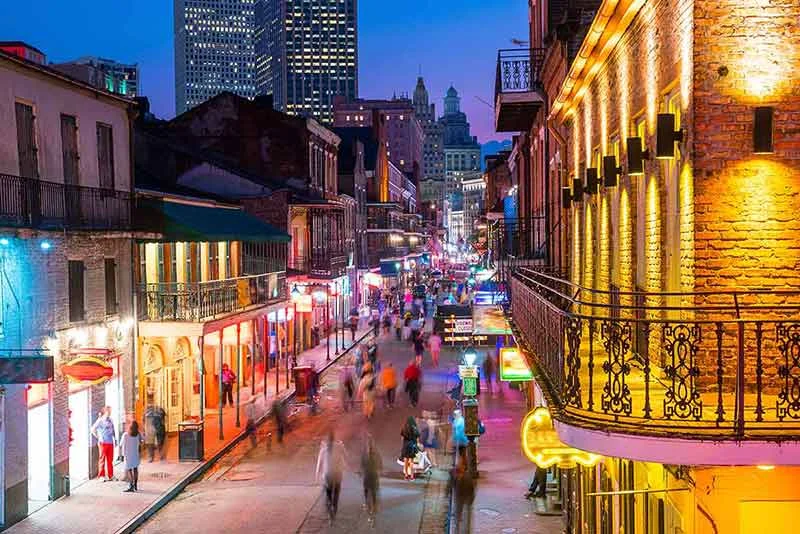
The reputation of New Orleans regarding safety is often influenced by media reports and historical statistics, which can paint an incomplete picture for tourists. While crime rates can be high in certain residential areas, the reality for visitors exploring the city’s main attractions is significantly different. The city’s economy heavily relies on tourism, prompting considerable efforts from local authorities and the community to ensure visitor safety, particularly in popular tourist districts. Understanding where to go, what to do, and how to stay vigilant is key to unlocking the true magic of the Big Easy without compromising your peace of mind.
Navigating Safety in the Big Easy: Understanding the Landscape
To truly grasp the safety dynamics of New Orleans, it’s essential to differentiate between generalized crime statistics and the actual experience of tourists. The city’s unique layout and cultural districts often mean that areas frequented by visitors are well-patrolled and generally safer than less-traveled residential zones.
Perception vs. Reality: Deciphering New Orleans’ Safety Profile
The perception of safety in New Orleans is frequently shaped by headlines focusing on crime rates. While it is true that, like many large United States cities, New Orleans grapples with crime, these incidents are disproportionately concentrated in specific neighborhoods that tourists rarely visit. The French Quarter, for instance, with its bustling streets, numerous shops, restaurants, and entertainment venues, benefits from a visible police presence and a constant flow of people, which acts as a natural deterrent to crime.
The majority of crimes affecting tourists are typically petty offenses such as pickpocketing or purse snatching, common in any crowded tourist destination worldwide. Violent crime, while a serious concern for residents in certain areas, is significantly less common in the primary tourist zones. The city is acutely aware of the importance of its tourism industry, and efforts are continuously made to enhance security, especially during major events like Mardi Gras and Jazz Fest, when visitor numbers surge dramatically. Therefore, while it’s wise to be cautious, an overly fearful approach based on broad statistics might deter you from experiencing one of the most culturally rich cities on Earth.
Safe Neighborhoods and Areas to Explore
New Orleans offers a diverse array of neighborhoods, each with its own distinct character and level of safety. Focusing your exploration on well-known, tourist-friendly districts is the best strategy for a secure visit.
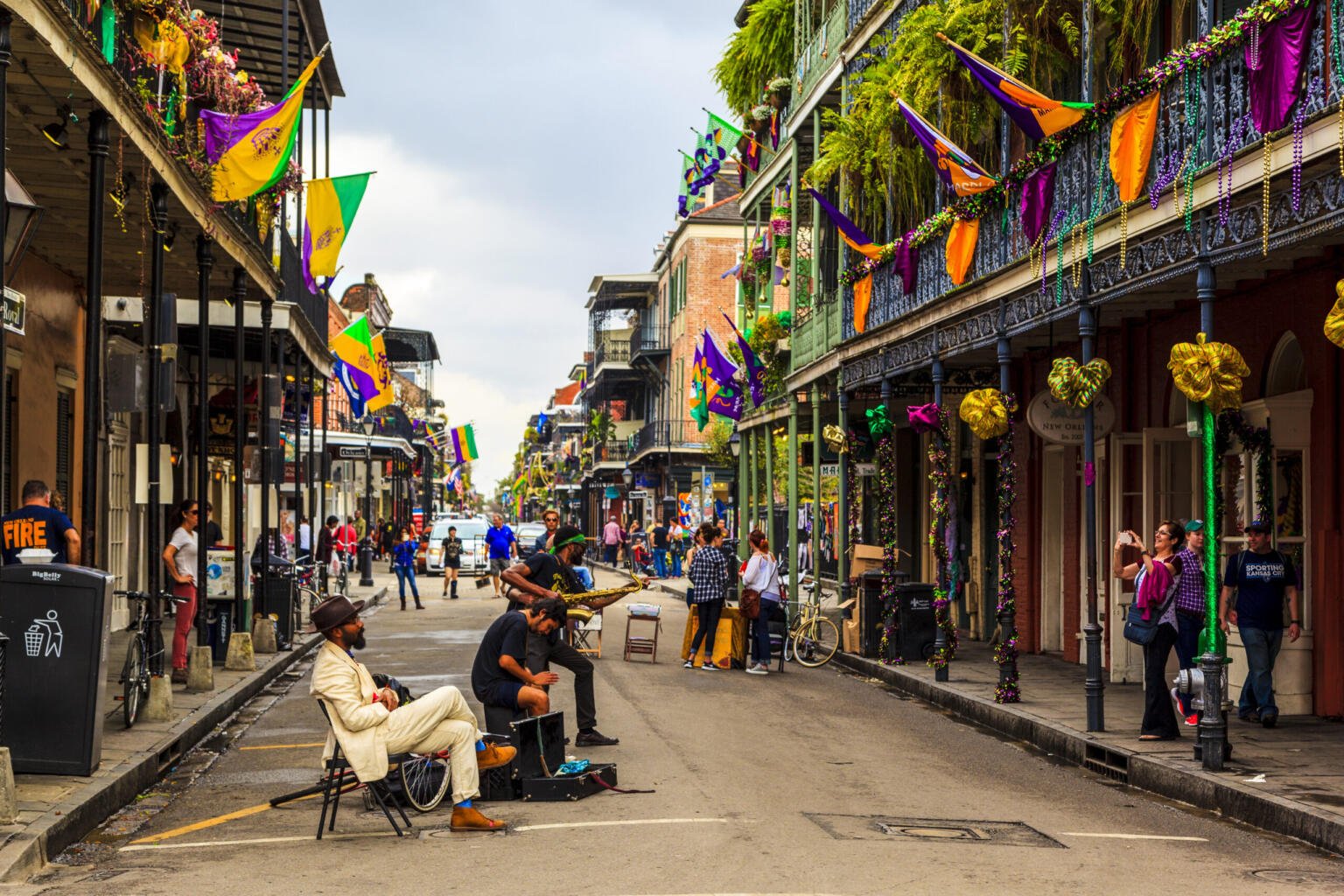
- French Quarter: This iconic district, home to Bourbon Street, Jackson Square, and St. Louis Cathedral, is the heart of New Orleans tourism. It is generally safe during the day and well into the night, especially on its main thoroughfares. Police patrols are frequent, and the constant crowds provide a sense of security. However, side streets can be quieter, and it’s always wise to remain aware of your surroundings, particularly late at night. The vibrant energy here is undeniable, from the historic Preservation Hall to Cafe Du Monde for beignets. Accommodations like the Hotel Monteleone with its famous Carousel Bar & Lounge offer luxurious and secure stays within this bustling hub.
- Garden District and Uptown: Known for their stunning antebellum mansions and beautiful oak-lined streets, these neighborhoods are largely residential and feel very safe, especially during daylight hours. Exploring on foot or taking the historic St. Charles Avenue Streetcar through these areas is a delightful experience. Upscale dining at places like Commander’s Palace adds to the allure. These areas are ideal for leisurely strolls and offer a glimpse into the city’s more serene side.
- Warehouse District / Central Business District: Once a collection of industrial buildings, this area has been transformed into a chic district featuring art galleries, upscale restaurants, and modern hotels. It’s home to attractions like the National WWII Museum and Harrah’s New Orleans casino. During the day and early evening, it is very safe and well-trafficked, especially around major hotels like The Eliza Jane or The Roosevelt New Orleans.
- Marigny and Bywater: Adjacent to the French Quarter, these neighborhoods are celebrated for their vibrant music scenes, colorful Creole cottages, and bohemian atmosphere. While increasingly popular with tourists, especially Frenchmen Street in the Marigny for live music, they require a bit more awareness, particularly after dark on less-populated streets. Destinations like Bacchanal Wine in the Bywater offer unique local experiences.
Areas Requiring Extra Caution
While the above districts are generally safe, it’s prudent to exercise caution in certain other areas, particularly if you are unfamiliar with them or traveling alone at night. Neighborhoods like the outer reaches of Treme, while historically significant (home to Congo Square), can have higher crime rates, especially after dark. Always research your destinations and stick to well-lit, populated routes. If you find yourself unsure about an area, err on the side of caution and opt for a taxi or rideshare service. Using common sense and avoiding dimly lit, deserted streets at night is a universal safety tip applicable here.
Essential Safety Tips for Visitors
Regardless of your destination, adopting smart travel habits can significantly enhance your safety and overall travel experience. In New Orleans, where the allure of celebration can sometimes lead to distraction, these tips become particularly important.
Street Smarts and Situational Awareness
Maintaining awareness of your surroundings is perhaps the most crucial safety measure. Keep your eyes and ears open, especially in crowded areas or when navigating unfamiliar streets.
- Blend In: While it’s fun to explore, try not to draw unnecessary attention to yourself by openly displaying expensive jewelry, large wads of cash, or high-end electronics. A subtle approach helps you blend in and avoids making you an obvious target.
- Trust Your Gut: If a situation or an area feels off, it probably is. Don’t hesitate to leave or change your plans. Your intuition is a powerful safety tool.
- Stay Connected (and Charged): Keep your phone charged and with you for emergencies, maps, or ordering rides. Consider carrying a portable charger.
- Beware of Scams: Be wary of overly friendly strangers approaching you with unsolicited offers, petitions, or sob stories. These are often precursors to pickpocketing or other scams. Similarly, avoid street gambling games that seem too good to be true.
Transportation and Nighttime Safety
Navigating New Orleans after dark requires extra diligence. The city truly comes alive at night, but safety should always be a priority.
- Reputable Transport: Always use licensed taxis or well-known rideshare services (Uber, Lyft) when traveling at night, especially if you’re alone or venturing outside the immediate tourist core. Never accept rides from unmarked vehicles.
- Group Travel at Night: If possible, travel in groups after dark. There’s safety in numbers, particularly when walking between venues.
- Know Your Route: Before heading out, have a general idea of your destination and how to get there. Relying solely on your phone for directions can make you seem disoriented and a potential target.
- Well-Lit Paths: Stick to main streets and well-lit areas. Avoid shortcuts through dark alleys or deserted parks, even if they appear to save time.
Protecting Your Belongings
Petty theft is a concern in any major tourist hub. Simple precautions can safeguard your valuables.
- Secure Your Bag: Wear messenger bags across your body, and keep backpacks in front of you in crowded areas. Avoid leaving bags unattended, even for a moment.
- Wallet Placement: Keep your wallet in a front pocket, not a back pocket, where it’s easily accessible to pickpockets.
- Minimal Cash: Carry only the cash you need for the day and leave extra cash and important documents (like your passport) securely locked in your hotel room safe. Consider using credit cards for most purchases.
- Be Mindful of Phones: Phones are a prime target. Avoid walking down the street engrossed in your device; stay aware of your surroundings. If you need to make a call or check directions, step into a doorway or a less exposed area.
Enjoying the Nightlife Responsibly
New Orleans’ nightlife is legendary, but responsible enjoyment is key to safety.
- Drink in Moderation: Overconsumption of alcohol can impair judgment and make you more vulnerable. Pace yourself and know your limits.
- Watch Your Drink: Never leave your drink unattended, and be wary of accepting drinks from strangers.
- Stay with Your Group: If you’re out with friends, make a plan to stick together or have a designated meeting spot if separated.
- Hydrate: Especially in New Orleans’ humid climate, remember to drink plenty of water to avoid dehydration, which can amplify the effects of alcohol.
Addressing Common Concerns and Enhancing Your Trip
Beyond direct safety measures, understanding the general atmosphere and utilizing available resources can further enhance your sense of security and overall enjoyment of New Orleans.
Types of Crime and How to Mitigate Risk
As mentioned, the most common crimes affecting tourists are property crimes. Pickpocketing, purse snatching, and sometimes car break-ins (especially if valuables are left visible) are the primary concerns. Violent crime, though less frequent in tourist areas, can occur. The best mitigation strategies involve vigilance, common sense, and not making yourself an easy target.
- For Car Break-ins: If you’re driving, always park in well-lit, secure parking lots or garages. Never leave anything visible in your car, especially luggage, electronics, or shopping bags.
- For Personal Safety: Avoid confrontational situations. If approached by someone aggressive, try to disengage and move away quickly. If you are robbed, do not resist. Your safety is more important than your belongings. Report any incidents to the local police immediately.
Local Resources and Emergency Contacts
Knowing whom to contact in an emergency is crucial.
- Emergency Services: In the United States, dial 911 for police, fire, or medical emergencies.
- Non-Emergency Police: For non-emergency situations, you can find the local police department’s number (New Orleans Police Department) online.
- Hotel Staff: Your hotel concierge or front desk staff can be a valuable resource for local safety advice, reputable transportation options, and neighborhood information. High-end accommodation options like the Windsor Court Hotel or the Pontchartrain Hotel are known for their excellent guest services and security.
Beyond Safety: Embracing New Orleans’ Charm
While safety is a paramount concern, it’s important not to let it overshadow the incredible experiences that await you in New Orleans. The city’s unique charm lies in its vibrant culture, delectable cuisine, and infectious musical heritage.
- Culinary Delights: From gumbo and jambalaya to beignets and po’boys, the food scene is legendary. Take a food tour, visit local markets, and savor every bite.
- Live Music: Immerse yourself in the birthplace of jazz. Catch a show on Frenchmen Street, visit Preservation Hall, or simply enjoy the impromptu street performances.
- Historical Landmarks: Explore Jackson Square, stroll along the Mississippi River waterfront, or visit the historic cemeteries. Each corner tells a story.
- Parks and Recreation: For a break from the urban bustle, enjoy the sprawling beauty of City Park, one of the oldest urban parks in the country, or the serene landscapes of Audubon Park. These areas offer safe and pleasant environments for relaxation and recreation.
- Festivals and Events: Plan your trip around one of New Orleans’ many famous festivals, like Mardi Gras or Jazz Fest, for an unparalleled cultural experience. Just remember to apply all safety tips, as crowds are much larger during these times.
Conclusion
So, is New Orleans safe? The answer, like with many travel destinations, is a resounding “yes, with common sense and preparation.” While the city faces its challenges, the areas frequented by tourists are generally safe, actively patrolled, and designed to offer visitors a memorable experience. By staying vigilant, choosing reputable transportation, protecting your belongings, and being aware of your surroundings, you can confidently explore the captivating streets of the Big Easy.
New Orleans is a city that deserves to be experienced. Its vibrant culture, unparalleled cuisine, and soulful music create an atmosphere found nowhere else in the world. Don’t let exaggerated fears deter you from discovering the magic. Plan wisely, travel responsibly, and prepare to be enchanted by one of the United States’ most extraordinary destinations.
LifeOutOfTheBox is a participant in the Amazon Services LLC Associates Program, an affiliate advertising program designed to provide a means for sites to earn advertising fees by advertising and linking to Amazon.com. Amazon, the Amazon logo, AmazonSupply, and the AmazonSupply logo are trademarks of Amazon.com, Inc. or its affiliates. As an Amazon Associate we earn affiliate commissions from qualifying purchases.