
When travelers imagine the Great Plains, they often conjure images of vast, dry prairies or rolling wheat fields. However, Oklahoma defies these expectations with an impressive abundance of water. Whether you are a weekend angler, a professional water-skier, or a nature photographer seeking the perfect sunset reflection, the “Sooner State” holds a surprising amount of liquid treasure. While pinning down an exact number can be complex due to the distinction between natural oxbows and massive, man-made reservoirs, the state boasts over 200 significant lakes. These bodies of water are not merely irrigation sources; they are the heart of the state’s outdoor recreation and landmark preservation.
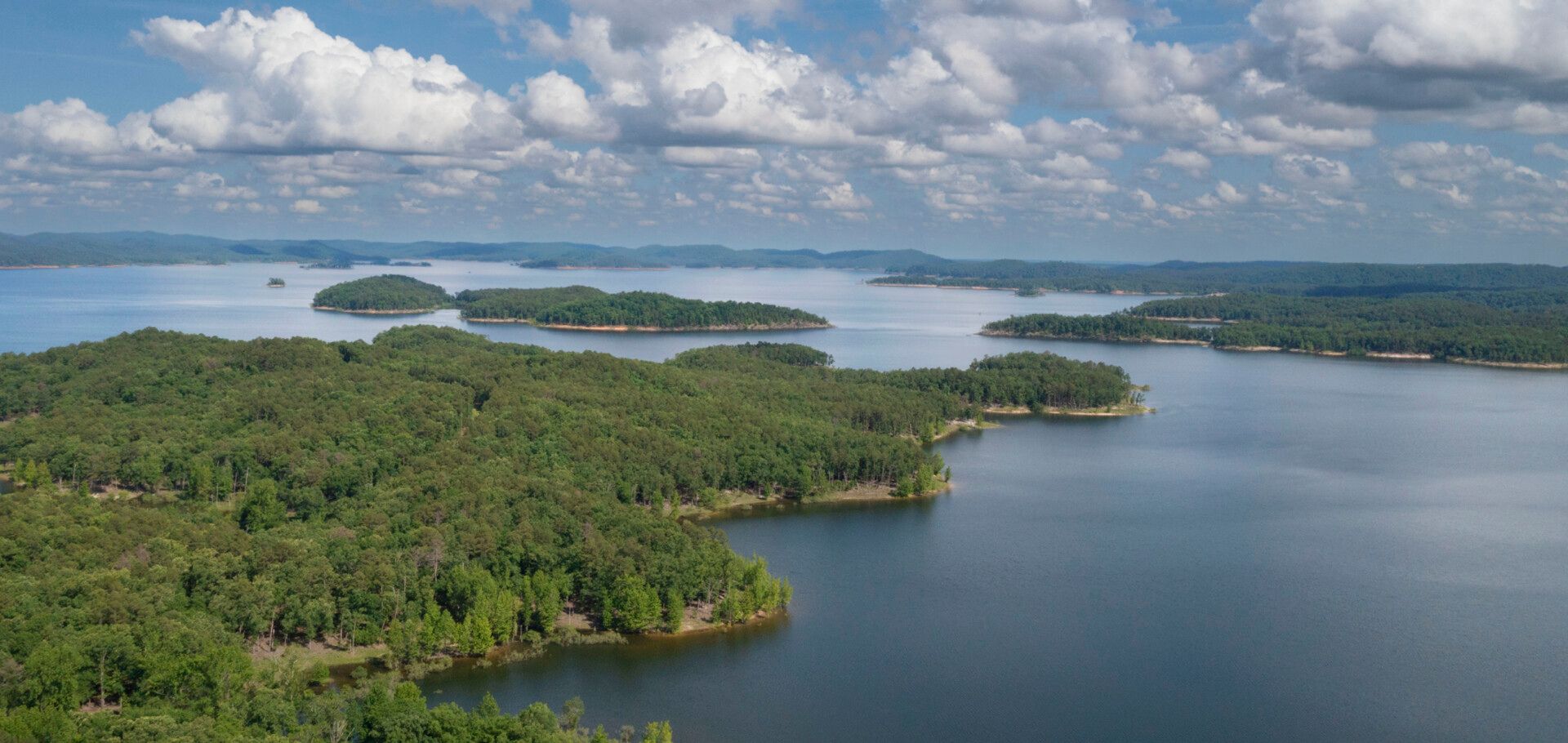
Understanding the Landscape of Oklahoma Waters
To understand why Oklahoma is home to so many lakes, one must look at the state’s geography and the visionary engineering of the 20th century. While there are a few natural lakes, primarily found in the floodplains of the Red River and the Arkansas River, the vast majority of the state’s expansive water surfaces are man-made.
The Engineering Feat of Reservoirs
The U.S. Army Corps of Engineers played a pivotal role in shaping the modern Oklahoma map. During the mid-1900s, massive damming projects were initiated to control flooding and provide hydroelectric power to the growing state. The result is a series of interconnected, sprawling reservoirs that now serve as major tourist landmarks. From the deep, clear waters of Broken Bow Lake in the rugged Ouachita Mountains to the expansive, island-dotted reaches of Lake Eufaula, each reservoir offers a unique character defined by the terrain surrounding it.
Natural vs. Artificial Bodies
While artificial reservoirs dominate the conversation, the state does contain naturally occurring formations, such as the karst lakes found in Alabaster Caverns State Park or the unique, shallow playa lakes scattered across the high plains of the Oklahoma Panhandle. These natural sites are essential for migratory birds and local ecosystems, serving as quieter, more rustic alternatives to the popular, boat-filled reservoirs.
Top Destinations for Water-Based Exploration
With so many options to choose from, navigating the Oklahoma lake scene can be overwhelming. Some destinations stand out as primary landmarks, defined by their history, infrastructure, and ability to cater to visitors looking for a quintessential lakeside experience.
The Gem of the South: Broken Bow Lake
Located within the lush greenery of Beavers Bend State Park, Broken Bow Lake is widely considered the crown jewel of the region. Its crystal-clear water, fed by the Mountain Fork River, provides a scenic backdrop that feels more like the Pacific Northwest than the Great Plains. Visitors flock here for fly-fishing, scuba diving, and hiking the dense pine forests that define the McCurtain County wilderness.
The Grand Scope of Lake Eufaula
As the largest lake in the state, Lake Eufaula offers a sprawling landscape of over 100,000 acres. It is a landmark of sheer scale, featuring miles of shoreline that host everything from quiet fishing coves to bustling marinas near Eufaula. Its proximity to major transit routes makes it a favorite for weekenders traveling from Tulsa or Oklahoma City.
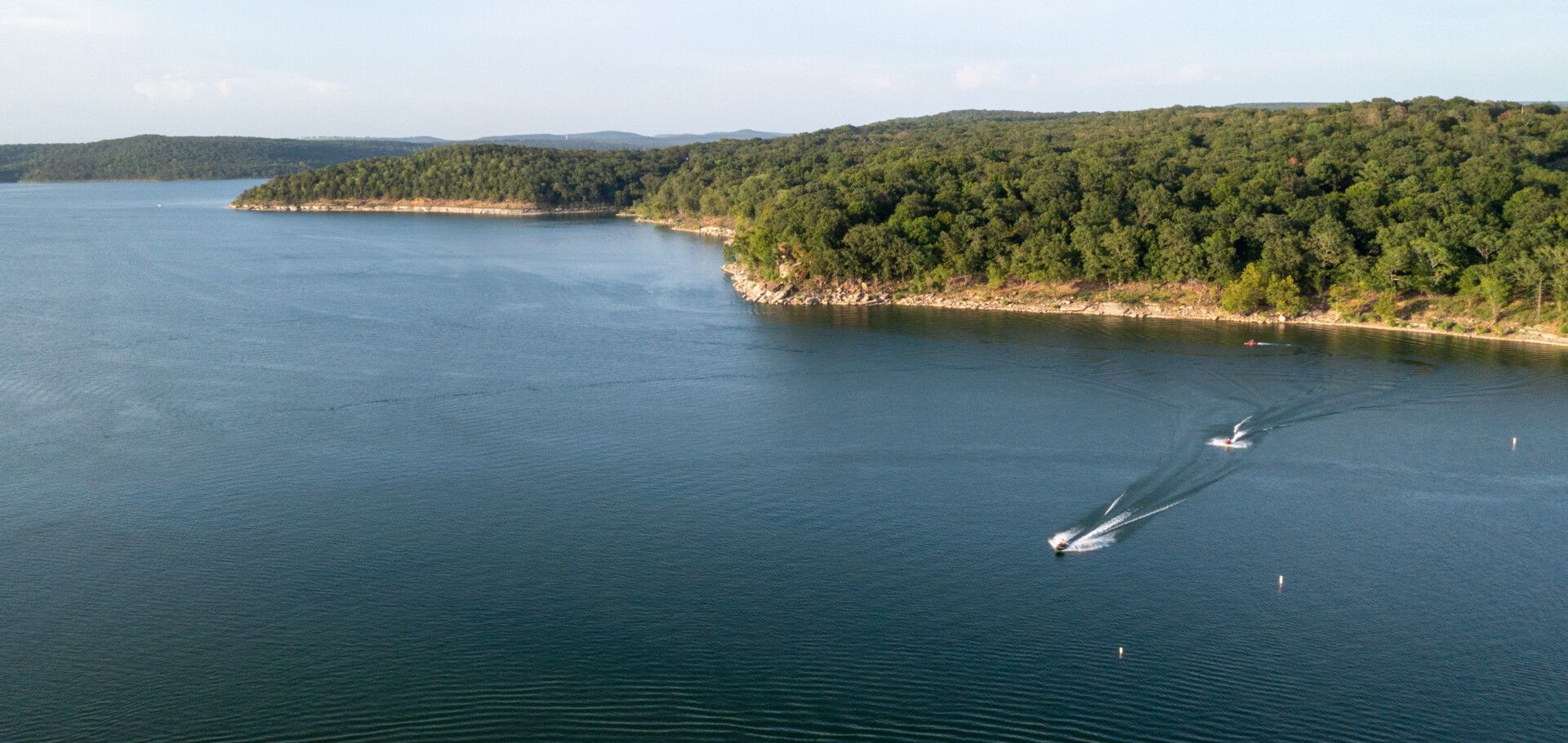
Grand Lake o’ the Cherokees
Often simply referred to as Grand Lake, this destination in the Ozark Mountains region is a hub for high-end boating and competitive fishing tournaments. With its winding shoreline and proximity to Grove, it functions as a lifestyle landmark where luxury cabins and waterfront dining meet traditional lake recreation.
How Geography Shapes Your Visit
The experience of visiting a lake in Oklahoma is deeply tied to the specific eco-region in which it resides. The state is a transition zone where the dry western plains meet the humid, forested east. Understanding this will help you plan the right kind of trip.
The Eastern Woodlands and Clear Waters
If you head east toward the Arkansas border, you will find deep, rocky lakes surrounded by hardwoods and pine. These lakes, like Tenkiller Ferry Lake, are renowned for their clarity and are preferred by divers and swimmers. The topography here is rugged and dramatic, creating a sense of seclusion and deep immersion in nature.
The Central Plains and Recreational Hubs
Closer to the population centers, the lakes take on a more communal, social atmosphere. Lake Hefner, located in the heart of Oklahoma City, serves as a social landmark where residents gather for sunset dinners at local restaurants overlooking the water. These lakes are primarily for day use, sailing, and urban escape rather than the deep wilderness experience offered in the eastern mountains.
The Western Plains and Wildlife Refuges
In the western part of the state, the lakes become essential oases. Great Salt Plains Lake is a fascinating landmark known for its salt-crusted shores and the unique ability to dig for hourglass selenite crystals. These bodies of water are critical for wildlife management and offer a stark, haunting beauty that appeals to birdwatchers and those seeking a landscape that is genuinely unique to the United States.
Planning Your Lake Adventure
When visiting these landmarks, it is essential to prepare for the specific environment. Oklahoma’s climate can be temperamental, shifting from balmy spring days to hot, humid summers, and windy, crisp autumns.
Seasonal Considerations
- Spring: Perfect for hiking and fishing, though be mindful of the state’s legendary thunderstorms.
- Summer: The peak time for water sports, boating, and swimming. Popular landmarks like Texoma will be vibrant and busy during this period.
- Autumn: The best time for photography, particularly at Tenkiller Ferry Lake or any reservoir surrounded by the turning leaves of the Ouachita Mountains.
- Winter: Ideal for bald eagle spotting, which is a major draw at lakes like Kaw Lake and Lake Keystone.

Sustainable Tourism Practices
As you explore these landmarks, keep in mind that the health of these reservoirs depends on the stewardship of its visitors. Many of these lakes are managed by state agencies dedicated to preserving the local habitat. Always adhere to “leave no trace” principles, respect the local wildlife, and follow all posted regulations regarding boating and fishing. By ensuring these landmarks remain pristine, you contribute to the longevity of Oklahoma as a premier travel destination.
Whether you are seeking the tranquility of a hidden cove in the Ozarks or the vibrant social scene of a central reservoir, the lakes of the state are a testament to the beauty hidden within the heart of the country. With hundreds of options, your next adventure is waiting at the edge of the water.
LifeOutOfTheBox is a participant in the Amazon Services LLC Associates Program, an affiliate advertising program designed to provide a means for sites to earn advertising fees by advertising and linking to Amazon.com. Amazon, the Amazon logo, AmazonSupply, and the AmazonSupply logo are trademarks of Amazon.com, Inc. or its affiliates. As an Amazon Associate we earn affiliate commissions from qualifying purchases.