
When travelers look toward the Great Plains of the United States, Oklahoma often stands out as a destination of intense meteorological fascination. Situated in the heart of what is colloquially known as “Tornado Alley,” the state’s relationship with extreme weather is as much a part of its cultural identity as its rolling prairies and vibrant Native American heritage. For those planning a visit to this captivating region, understanding the atmospheric climate is essential for both safety and appreciation of the state’s rugged beauty.
The Statistical Reality of Oklahoma’s Tornadoes
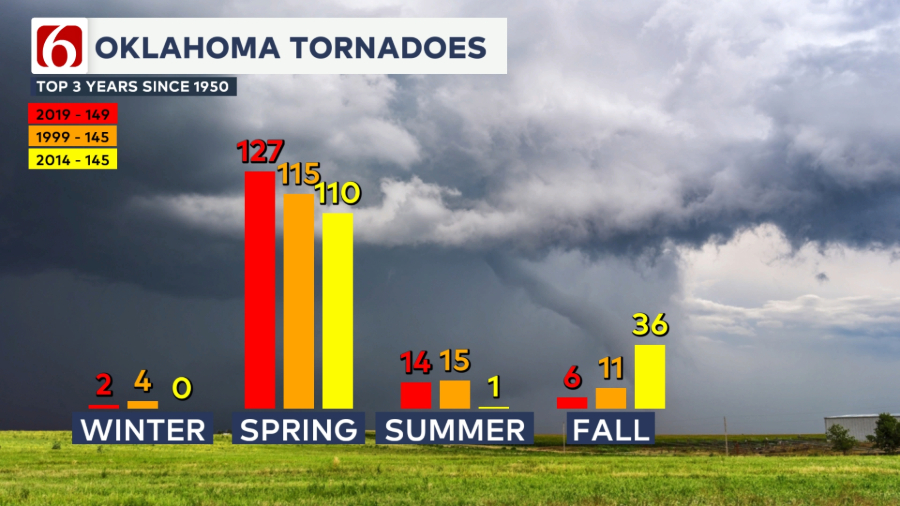
On average, Oklahoma experiences approximately 60 to 70 tornadoes annually. However, this number is a dynamic figure that can fluctuate wildly from year to year. While a quiet season might see only a few dozen touchdowns, an active year can result in over 100 recorded tornadoes.
Why the Numbers Fluctuate
The variance in annual tornado counts is largely due to the complex interplay of moisture, wind shear, and instability in the lower atmosphere. When warm, moist air from the Gulf of Mexico collides with cold, dry air descending from the Rocky Mountains, the atmospheric conditions become ripe for severe storm development.
Because Oklahoma sits at this critical intersection, it is uniquely positioned to receive these weather patterns. Meteorologists track these occurrences with precision, but even with modern technology, pinning down an exact number for a future year remains one of the great challenges of atmospheric science.
The Seasonal Peak
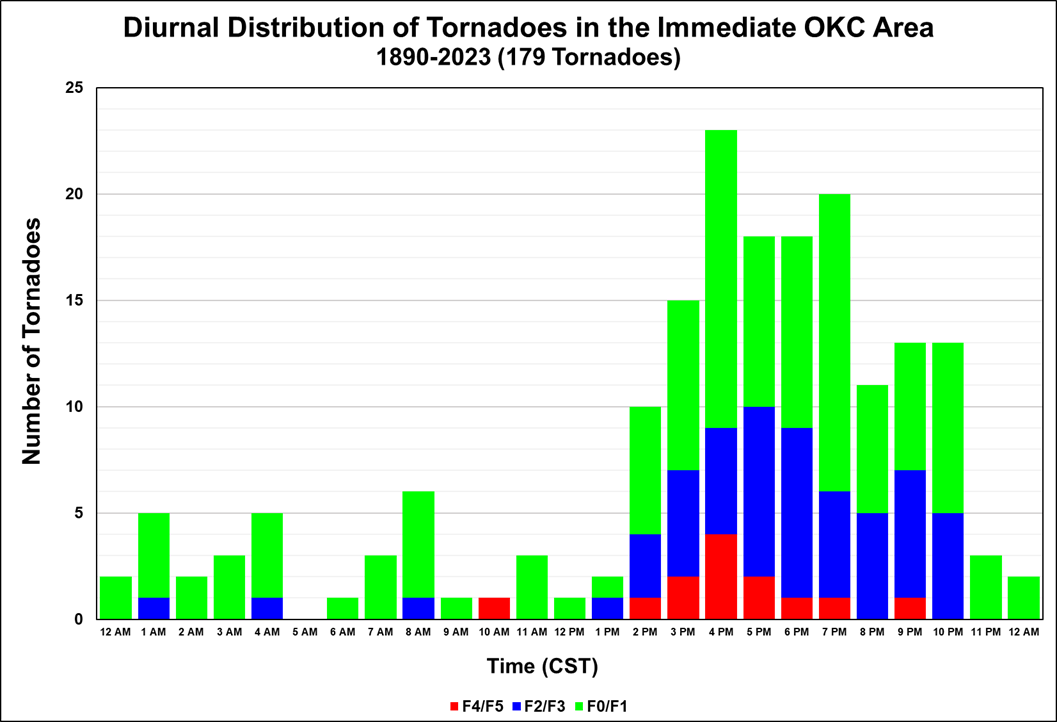
While tornadoes can technically occur in any month, the peak season for Oklahoma typically falls between late April and early June. During these months, the contrast between air masses is most pronounced, leading to the formation of supercell thunderstorms. Visitors planning travel during this window should remain mindful of the daily weather outlook, as the intensity of spring storms is a well-documented aspect of life on the plains.
Understanding the Geographical Impact
The geographical layout of the state plays a significant role in how and where tornadoes form. From the western High Plains to the forested regions of the east, the terrain influences storm movement and evolution.
The Role of Topography
In the western part of the state, near Amarillo or across the border in the Texas Panhandle, the terrain is relatively flat. This lack of obstruction allows storms to maintain their structure for longer periods, often moving across open land before dissipating.
Conversely, as storms move toward the central corridor near Oklahoma City and Tulsa, the transition from open plains to more rolling, forested hills can alter the behavior of supercells. While topography doesn’t stop a tornado, it can certainly complicate the tracking and visibility of these storms, which is why National Weather Service offices in these hubs are among the busiest in the country.
Safety Protocols for Tourists
Travelers visiting landmarks like the First Americans Museum or exploring the outdoor wonders of the Wichita Mountains Wildlife Refuge should always incorporate weather safety into their itinerary. Modern infrastructure in major cities is well-equipped to handle these events, with robust alert systems in place.
If you are staying in local hotels, it is standard practice to inquire about storm safety procedures upon check-in. Most reputable establishments throughout Oklahoma maintain clear signage regarding shelter locations for guests.
Cultural Perspectives on Storm Awareness
For residents, tornadoes are not just weather events—they are part of the seasonal rhythm of life in the Great Plains. There is a deep-seated respect for the power of nature that permeates the local culture.
Resilience and Preparedness
The resilience of the people in Oklahoma is evident in their architecture and community planning. You will often see storm shelters integrated into residential and public designs. This commitment to safety is a testament to the state’s long-standing history of dealing with severe weather.
When exploring historical sites such as the Oklahoma City National Memorial & Museum, travelers often notice how the community prioritizes protection and remembrance. This cultural appreciation for survival and recovery provides a unique lens through which to view the landscape.
Engaging with the Science of the Plains
For the adventurous traveler, there is a burgeoning industry centered around storm education. While “chasing” is a highly specialized activity, many tourists enjoy visiting the National Weather Center in Norman. This facility offers an unparalleled look into how meteorologists track and warn the public about tornadoes. Understanding the mechanics behind a tornado can transform the way one views a stormy sky, shifting the perspective from fear to profound respect for the atmospheric forces that shape this region.
Best Practices for Seasonal Travel
If you are planning a trip to Oklahoma, you do not need to avoid the state during the spring, but you should travel with common sense and a plan.
Stay Informed
The most effective tool in any traveler’s kit is access to real-time information. Downloading a reliable weather app that provides localized alerts for the specific county you are visiting is highly recommended.
Flexibility is Key
When traveling in the Great Plains, it is wise to keep your itinerary flexible. If a severe weather system is forecast, do not hesitate to adjust your plans. Many of the state’s best attractions, such as the Philbrook Museum of Art in Tulsa, are perfect for indoor exploration on days when the weather might be unsettled.

Appreciating the Beauty of the Storm
There is a unique beauty in the vast, open skies of the Midwest. Photographers and nature enthusiasts often find the dramatic lighting and cloud formations that precede storms to be incredibly photogenic. However, always prioritize safety by staying on public roads and maintaining a significant distance from any developing storm cells.
By understanding the frequency of tornadoes—and respecting the power they hold—travelers can better appreciate the raw, natural energy that defines the spirit of Oklahoma. Whether you are visiting for the rich history in Guthrie or the modern amenities of Bricktown, being informed ensures your experience is both memorable and secure. While the annual tornado count fluctuates, the resilience and welcoming nature of the state remain constant, making it a truly compelling destination for those who wish to experience the heart of the United States.
LifeOutOfTheBox is a participant in the Amazon Services LLC Associates Program, an affiliate advertising program designed to provide a means for sites to earn advertising fees by advertising and linking to Amazon.com. Amazon, the Amazon logo, AmazonSupply, and the AmazonSupply logo are trademarks of Amazon.com, Inc. or its affiliates. As an Amazon Associate we earn affiliate commissions from qualifying purchases.