
When planning a long-term relocation or scouting for professional opportunities in Oklahoma, understanding the local labor landscape is as vital as choosing the right neighborhood. For those considering a transition to this heartland state, the question of whether it is a “Right to Work” state is a significant factor. Navigating the regulatory environment of a potential new home is a cornerstone of responsible Lifestyle planning, particularly for digital nomads, entrepreneurs, and professionals who prioritize economic flexibility.
Understanding the Legal Landscape of Oklahoma Labor
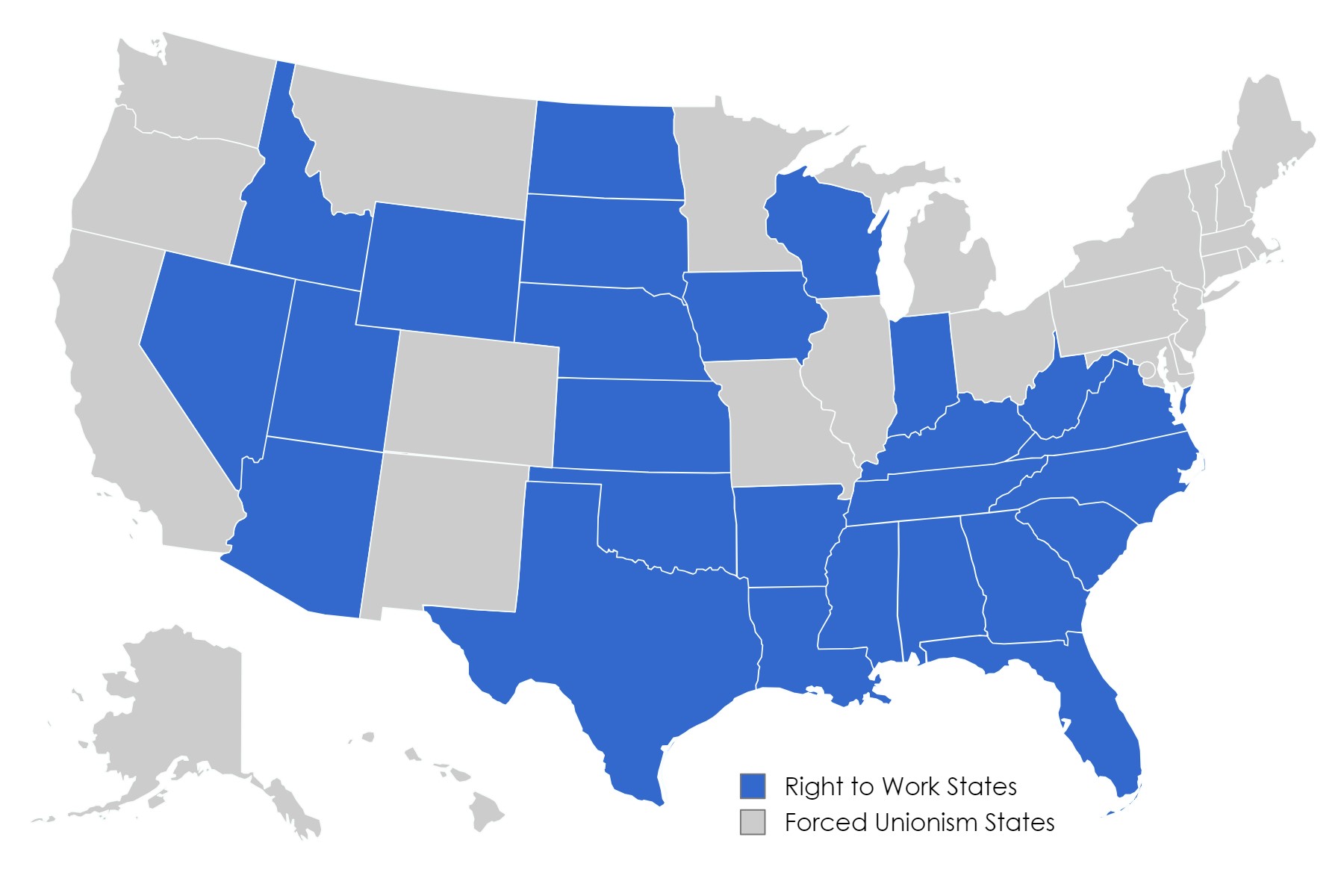
At its core, a “Right to Work” state is one that prohibits union security agreements between employers and labor unions. In such states, employees cannot be compelled to join a union or pay union dues as a condition of their employment, regardless of whether a collective bargaining agreement is in place.
The Constitutional Mandate
In Oklahoma, the answer is a definitive yes. The state’s status is not merely a matter of policy but is enshrined in the Oklahoma Constitution. In 2001, voters approved State Question 695, which added Article XXIII, Section 1A to the state constitution. This amendment explicitly forbids any requirement that a person must join or pay dues to a labor organization to gain or retain employment.
Impact on Employee Autonomy
For workers moving to hubs like Oklahoma City or Tulsa, this legal framework provides a specific type of autonomy. It ensures that the individual relationship between the employee and the employer remains the primary mechanism for determining compensation, benefits, and working conditions. This environment is often cited by business advocates as a primary driver for Oklahoma’s appeal to corporations looking to establish regional headquarters or secondary operations in the United States.
Economic Implications for Professionals and Business Travelers
The implications of being a Right to Work state ripple across the entire state economy. For the professional relocating for a mid-term or long-term contract, the legal environment creates a predictable, albeit distinct, set of expectations regarding employment contracts.
Growth and Business Attraction
Since the passage of the 2001 amendment, the state has actively marketed its labor-friendly reputation to attract manufacturing, aerospace, and energy sector giants. Cities like Norman and Edmond have seen a shift in their economic development strategies, focusing on creating professional environments that cater to a workforce that values individual negotiation.

Flexibility in Corporate Culture
For those traveling for business or setting up temporary satellite offices, the lack of union-mandated restrictions often means that companies can be more agile. Whether you are working from a high-end Hotel suite or a collaborative workspace in Broken Arrow, the prevailing business culture reflects a focus on efficiency and direct output. This flexibility is often appreciated by startups and remote workers who prefer a more streamlined, merit-based approach to professional engagement.
Navigating the Professional Culture of the Sooner State
While the legal statutes provide the framework, the actual day-to-day experience of working in the state is shaped by a unique blend of Southern hospitality and Western pragmatism. If you are relocating or staying in the region for an extended period, understanding these nuances is essential for professional success.
Regional Differences in Labor Dynamics
While the law is consistent statewide, the manifestation of labor culture varies. Tulsa, with its deep roots in the oil and gas industry, maintains a professional environment characterized by corporate discipline and formal networking. Conversely, Oklahoma City has cultivated a growing tech and creative scene, where the “Right to Work” environment is leveraged to attract talent that thrives in freelance or contract-heavy roles.
Networking and Professional Development
The emphasis on individual contract negotiation means that personal brand and professional networking are paramount. In a Right to Work state, your leverage is defined by your skills and your ability to market them directly to an employer. Professionals moving into the state often find that:
- Direct Negotiation: Employers are accustomed to discussing compensation packages directly with candidates, as there is no standardized, union-negotiated scale to dictate every facet of the offer.
- Agility: The labor market is often more reactive to shifting economic conditions, which can lead to faster hiring and firing cycles compared to states with stronger, more traditional labor unions.
- Incentivization: Many firms use equity, performance bonuses, and remote work flexibility as the primary tools for talent retention, rather than traditional collective bargaining perks.
Lifestyle and Long-Term Stays
For those who view their professional life as an extension of their lifestyle, Oklahoma offers a distinct balance. The state’s commitment to an open labor market is mirrored by its commitment to a low cost of living and a high quality of life.
Why Professionals Choose Oklahoma
When individuals consider a move, they weigh the economic benefits against the lifestyle perks. Oklahoma provides a unique value proposition:
- Housing Affordability: The capital saved by the absence of union dues—and often lower overall cost of living—is frequently funneled into superior Accommodation. Professionals often find they can afford spacious homes or luxury apartments that would be unattainable in more regulated labor markets on the East or West Coast.
- Work-Life Balance: Despite a competitive work culture, the state values leisure. Whether it is visiting the Wichita Mountains Wildlife Refuge for a weekend getaway or enjoying the nightlife in Bricktown, the environment supports a lifestyle where working hard allows for genuine exploration of the regional landscape.
- Community Integration: As a Right to Work state, the labor market remains decentralized. This mirrors the state’s culture, which prizes community-level interactions and independent, local business ventures over centralized, rigid corporate structures.

Planning Your Stay
For anyone evaluating a transition to this part of the United States, the legal status of the labor market is a green light for those who prioritize the power of the individual. As you research your potential move, consider the diverse urban centers that define the state. From the artistic districts in Tulsa to the historic charm of Guthrie, the state offers a backdrop that is as professional as it is welcoming.
By prioritizing transparency in employment agreements and fostering an atmosphere that encourages direct professional relationships, Oklahoma continues to distinguish itself as a destination for those who want their professional path to be as bold and independent as the spirit of the American West. Whether you are relocating for a specific career move or simply seeking a fresh start in a business-friendly environment, the state’s “Right to Work” status is a foundational element that ensures you are in the driver’s seat of your own professional journey.
LifeOutOfTheBox is a participant in the Amazon Services LLC Associates Program, an affiliate advertising program designed to provide a means for sites to earn advertising fees by advertising and linking to Amazon.com. Amazon, the Amazon logo, AmazonSupply, and the AmazonSupply logo are trademarks of Amazon.com, Inc. or its affiliates. As an Amazon Associate we earn affiliate commissions from qualifying purchases.