
When travelers begin mapping out their journey through the heart of the United States, Oklahoma City often emerges as a vibrant destination that blends frontier history with modern urban renewal. One of the most common logistical questions that arises for those planning their visit, particularly when dealing with navigation, mailing, or researching regional governance, is simple yet vital: What county is Oklahoma City in?
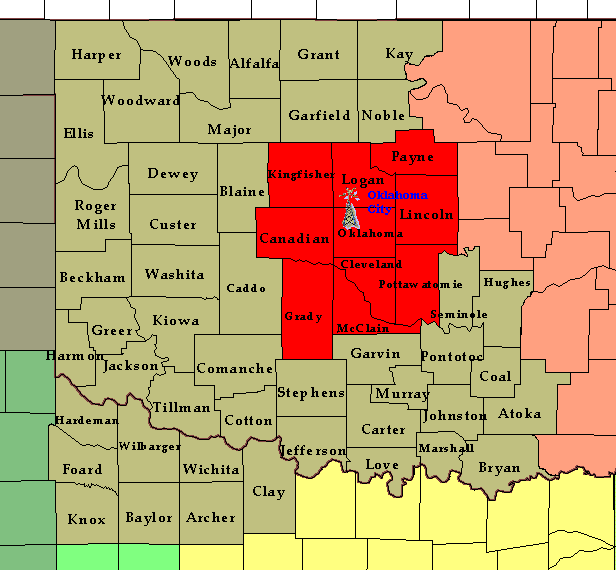
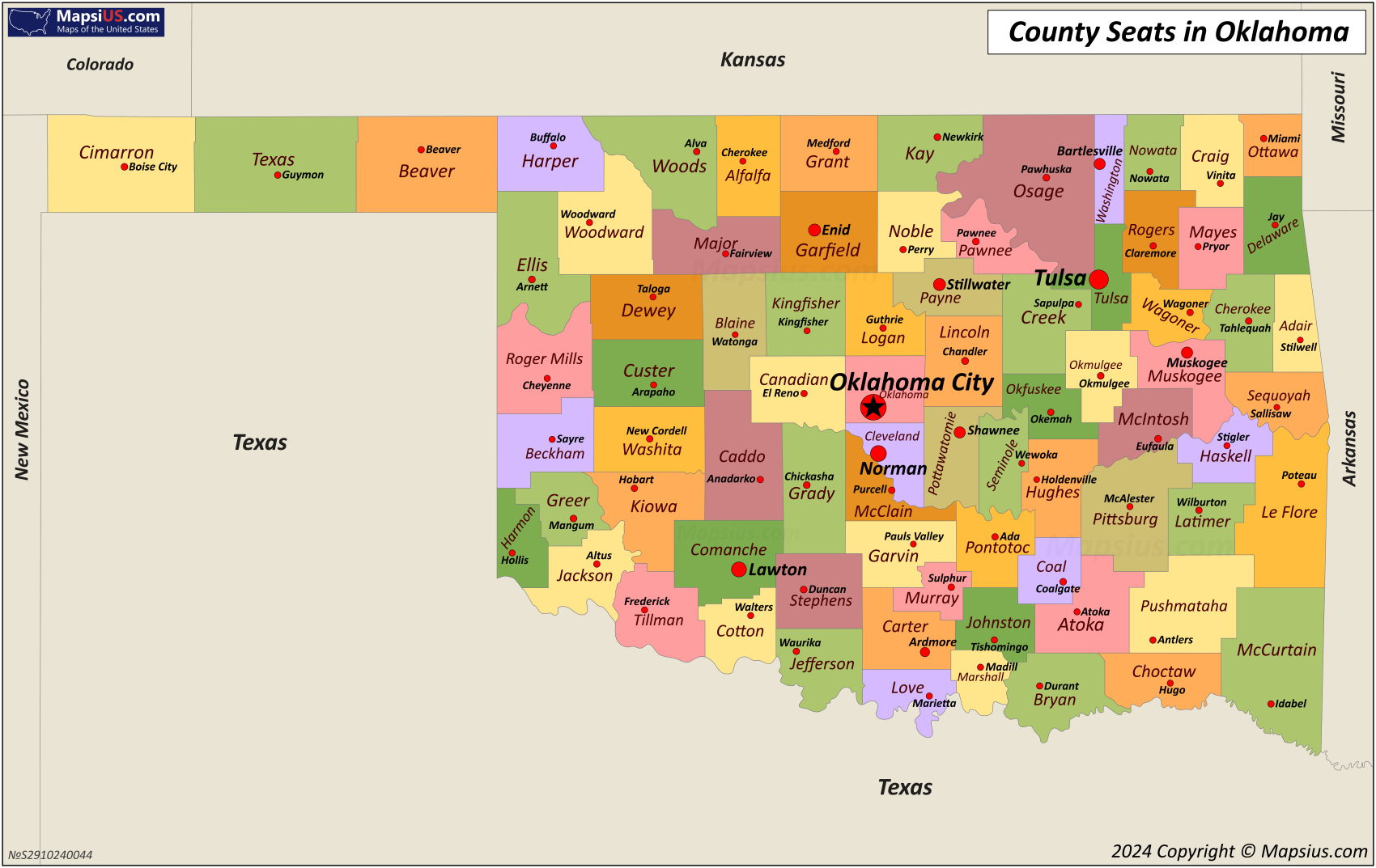
Oklahoma City is primarily located within Oklahoma County. However, because the city has expanded significantly over the decades, its sprawling metropolitan footprint actually stretches across four distinct counties: Oklahoma County, Cleveland County, Canadian County, and Pottawatomie County. Understanding this geographical distribution is key for anyone looking to navigate the region effectively, whether they are booking a stay in a suburban district or exploring the vast cultural landmarks spread throughout the metropolitan area.

The Geography of Oklahoma County
The vast majority of the core urban experience takes place in Oklahoma County. This is the seat of government and the heart of the commercial district, serving as the nucleus for most travelers visiting the region.
The Urban Core and Administrative Hub
For those interested in Landmarks, Oklahoma County is home to the most iconic sites in the state. The Oklahoma State Capitol stands as a testament to the region’s political history and architectural heritage. When visitors traverse the streets of downtown Oklahoma City, they are firmly planted in the administrative center of the county. This area serves as a gateway to the Bricktown district, a renovated warehouse area that now hosts a myriad of restaurants, entertainment venues, and the Chickasaw Bricktown Ballpark.
Suburban Expansion into Neighboring Counties
While Oklahoma County anchors the city, the modern sprawl of Oklahoma City represents a unique geographical phenomenon. As the city grew, its municipal borders pushed outward into Cleveland County to the south, where residents often commute to the University of Oklahoma in nearby Norman. To the west, the city extends into Canadian County, an area characterized by rapid residential growth and access to the Yukon region. Pottawatomie County, sitting to the east, represents the outer fringes of the metropolitan reach, offering a more rural transition for travelers heading toward Shawnee.
Navigating the Metropolitan Landscape
Understanding the county structure is more than just trivia; it is a fundamental aspect of navigating the Oklahoma landscape. Each county provides a different slice of the Midwest experience, influencing everything from dining options to recreational activities.
Why County Lines Matter for Travelers
If you are planning to visit specific attractions, knowing the county can help in understanding local transit and regional tourism branding. For instance, Cleveland County is often associated with academic excellence and a more collegiate atmosphere, while Oklahoma County remains the focal point for arts, culture, and high-intensity tourism. When traveling between Edmond in the north—located in Oklahoma County—and Moore in the south—located in Cleveland County—one truly grasps the scale of the city.
Regional Connectivity and Infrastructure
The highway system in Oklahoma is designed to connect these counties seamlessly. Interstate 35 acts as the primary artery running through Cleveland County and Oklahoma County, while Interstate 40 cuts horizontally through Canadian County and the center of Oklahoma City. This infrastructure allows tourists to hop from one county to another within a matter of minutes, ensuring that visitors are never far from their next destination, whether it is the National Cowboy and Western Heritage Museum or the scenic Scissortail Park.
Historical Context of Regional Governance
The formation of these counties dates back to the Land Run of 1889, a pivotal moment in American history that shaped the development of Oklahoma Territory. The creation of Oklahoma County was a direct result of the rapid settling of the region.
The Land Run and Early Development
As pioneers rushed to stake their claims, the borders were drawn to facilitate orderly settlement. This history is preserved today in the Oklahoma City National Memorial, which honors the resilience of the community. Travelers interested in history will find that the county structure is deeply tied to the Native American heritage that permeates the region. For example, Pottawatomie County remains a significant site for the history of the Citizen Potawatomi Nation.
Evolution of Modern Boundaries
The reason Oklahoma City crosses county lines is largely due to the city’s aggressive annexation policies during the 20th century. By expanding its borders, the city ensured it could manage infrastructure, water, and emergency services for its growing population. This administrative foresight has allowed the metropolitan area to remain cohesive, despite being geographically distributed across four distinct counties. For the modern visitor, this means that even when staying in a hotel that technically sits just across a county border, they are still firmly immersed in the Oklahoma City experience.
Tips for Visiting the Greater Metropolitan Area
When organizing a trip to Oklahoma City, the diversity of experiences available across these counties is your greatest asset. Whether you are looking for luxury accommodations, budget-friendly motels, or historical sites, the region offers it all.
Where to Stay and Explore
If your primary goal is to be close to the Myriad Botanical Gardens, look for lodging options within the urban core of Oklahoma County. If you prefer a quieter, more residential feel that still offers easy highway access to the Will Rogers World Airport, the suburban regions within Canadian County or Cleveland County might be more suitable.
Leveraging Local Knowledge
The beauty of Oklahoma lies in its accessibility. Because the counties are so well-integrated into the Oklahoma City metropolitan area, travelers don’t necessarily need to worry about changing travel plans when crossing a border. Instead, focus on the unique districts:
- The Arts District: Centered in Oklahoma County, this area features the Oklahoma City Museum of Art.
- The Academic Corridor: Located in Cleveland County, perfect for those interested in campus tours and high-energy collegiate sports.
- The Western Corridor: Expanding into Canadian County, offering a look at the modern suburban growth of the state.
By understanding that Oklahoma City is not just a single point on a map but a complex, multi-county metropolitan region, you can better appreciate the depth of your visit. From the bustling streets of Bricktown to the sprawling suburbs, your journey through Oklahoma County and its neighbors promises a rich tapestry of history, culture, and discovery.
LifeOutOfTheBox is a participant in the Amazon Services LLC Associates Program, an affiliate advertising program designed to provide a means for sites to earn advertising fees by advertising and linking to Amazon.com. Amazon, the Amazon logo, AmazonSupply, and the AmazonSupply logo are trademarks of Amazon.com, Inc. or its affiliates. As an Amazon Associate we earn affiliate commissions from qualifying purchases.