
When exploring the rich tapestry of the United States, Oklahoma stands out as a state defined by its sprawling prairies, rugged Wichita Mountains, and a deep-seated connection to the natural world. For those interested in the symbols that define American statehood, the question of what avian species represents the “Sooner State” is a frequent point of inquiry. The official state bird of Oklahoma is the Scissor-tailed Flycatcher, a bird that perfectly embodies the spirit and landscape of this Great Plains heartland.
The Scissor-tailed Flycatcher: An Icon of the Plains
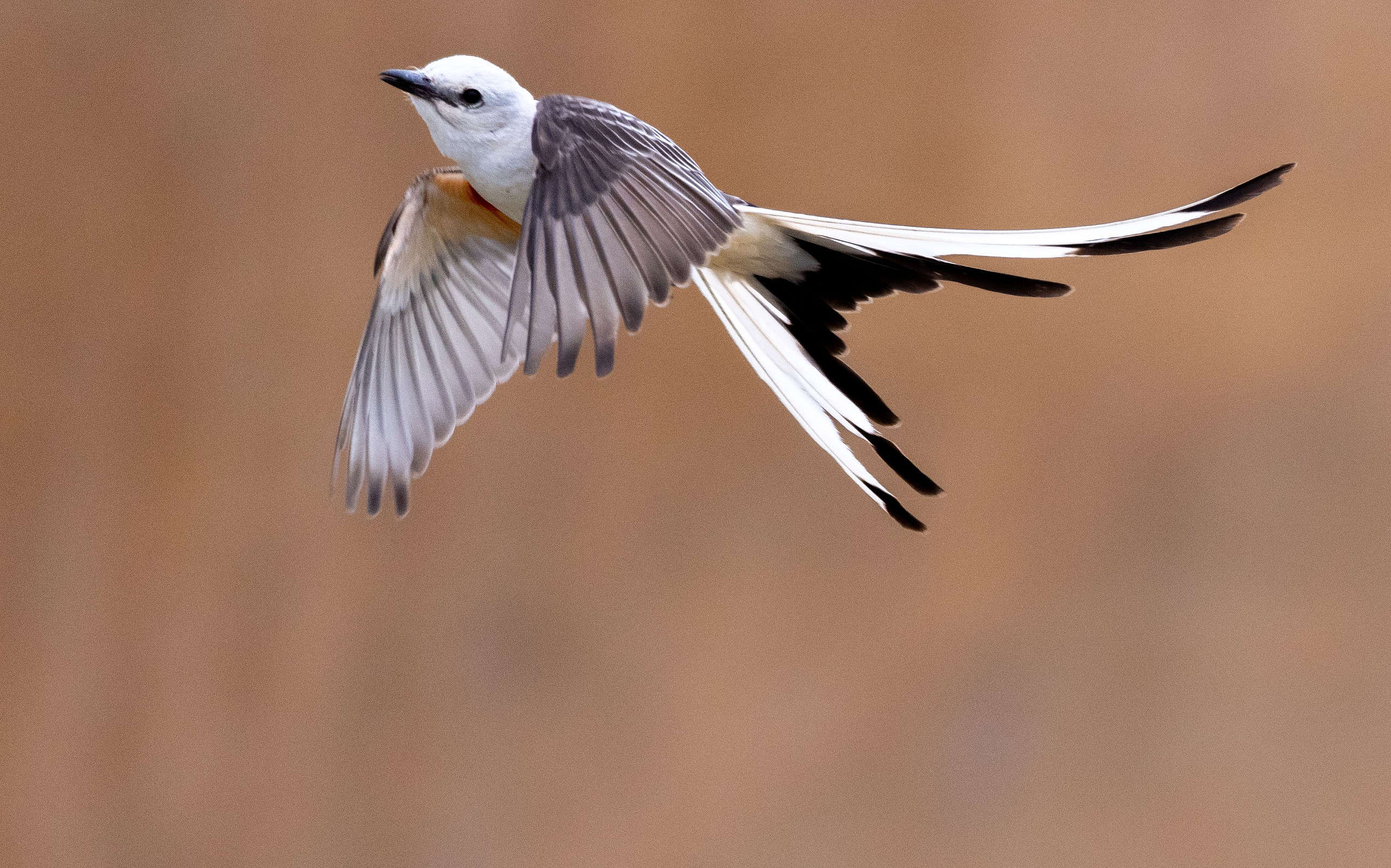
The Scissor-tailed Flycatcher (Tyrannus forficatus) is a striking member of the tyrant flycatcher family. Recognized by its long, deeply forked tail—often reaching lengths twice that of its body—this bird is a visual masterpiece during the warmer months in the central United States.
Physical Characteristics and Identification
The male Scissor-tailed Flycatcher is particularly distinct. Sporting a pale gray head and back, its underparts are white, while its wings and tail feathers are dark gray to black. The most breathtaking feature, however, is the patch of salmon-pink or orange under its wings and on its flanks. When in flight, these colors create a vivid flash that contrasts against the vast, azure skies of Oklahoma.
Observing this bird in the wild is a rewarding experience for any nature enthusiast. They are frequently seen perched on utility lines, fence posts, or the tops of small trees in open, grassy habitats. Their silhouette, characterized by the elongated tail feathers that they can open and close like a pair of scissors, is unmistakable.
Why Oklahoma Chose the Scissor-tailed Flycatcher
The designation of the Scissor-tailed Flycatcher as the state bird was not a random choice. In 1951, the Oklahoma legislature officially adopted the species to celebrate its prevalence in the state and its reputation as a beneficial bird for the agricultural community. Because these flycatchers feed primarily on insects—including grasshoppers, beetles, and crickets—they play a crucial role in maintaining the balance of the local ecosystem. By controlling populations of insects that might otherwise damage crops, the Scissor-tailed Flycatcher became an ally to the farmers who helped build Oklahoma.
Migration Patterns and Seasonal Habitats
The Scissor-tailed Flycatcher is a migratory species, a trait that adds to its allure. Understanding when and where to find them is essential for birdwatchers and travelers interested in the natural heritage of the American West.
Arrival and Breeding Season
As temperatures rise in the spring, these birds return to Oklahoma from their wintering grounds in Mexico and Central America. They typically arrive in late March or April. The wide-open spaces of the Great Plains provide the ideal breeding ground for these birds. They prefer open areas with scattered trees, making Oklahoma a veritable paradise for them. During the breeding season, they are known for their spectacular aerial displays, where males perform complex flight maneuvers to court females and defend their territory.

Winter Departure
As autumn approaches and temperatures begin to drop, the food supply—primarily flying insects—diminishes. By late September or early October, the Scissor-tailed Flycatchers congregate in large flocks and begin their long southward migration. Witnessing a mass migration event, where hundreds of these birds gather together before heading toward Central America, is a highlight for many ornithologists and amateur birders visiting the region.
Where to See the State Bird in Oklahoma
For travelers visiting Oklahoma, catching a glimpse of the state bird is a bucket-list item. While they are widespread, certain areas offer a higher probability of successful sightings.
Wildlife Refuges and Natural Areas
The Wichita Mountains Wildlife Refuge is perhaps the most iconic location for wildlife viewing in the state. The diverse habitats within the refuge—ranging from rocky peaks to lush prairie grasslands—provide ample opportunities for the Scissor-tailed Flycatcher to nest and hunt. Visitors exploring the Tallgrass Prairie Preserve in the northern part of the state also have a high likelihood of spotting these birds perched atop the fence lines that mark the edges of the vast preserve.
Urban and Suburban Settings
Interestingly, one does not always need to be deep in the wilderness to find the Scissor-tailed Flycatcher. They are surprisingly tolerant of human presence. In many suburban areas surrounding cities like Oklahoma City and Tulsa, these birds can be seen utilizing suburban power lines as lookout points. They are a common sight for residents in the Midwest who appreciate the persistent song and bold behavior of this elegant species.
Celebrating Oklahoma’s Natural Identity
The Scissor-tailed Flycatcher is more than just an entry in a field guide; it is a symbol of the resilience and beauty of the Oklahoma landscape. Its presence reminds residents and visitors alike of the importance of habitat conservation and the value of keeping the prairies open and healthy.
Conservation Efforts
As land use changes, ensuring that there is adequate habitat for these migratory birds remains a priority for environmental agencies in the Great Plains. Protecting the native grasses and minimizing the removal of old-growth fence lines and scattered trees helps ensure that future generations of Oklahomans will continue to see their state bird darting across the sky.

A Deeper Connection to the Land
When you stand in the middle of an Oklahoma field, with the wind rustling through the tall grass and the sun warming the earth, look up. You might just spot the iconic silhouette of the Scissor-tailed Flycatcher. It is a reminder that even in a world that is becoming increasingly modernized, the untamed beauty of the natural world is still on full display in the heart of the United States.
Whether you are a casual traveler passing through Oklahoma City on a cross-country journey or a dedicated birding enthusiast planning a trip to the Wichita Mountains, the Scissor-tailed Flycatcher offers a unique window into the regional identity of the state. It stands as a testament to the fact that the most meaningful symbols of a destination are often found not in museums or monuments, but in the vibrant, living creatures that call that place home. By taking the time to learn about the state bird, you are not just checking a fact off a list—you are engaging with the ecological soul of the Sooner State.
LifeOutOfTheBox is a participant in the Amazon Services LLC Associates Program, an affiliate advertising program designed to provide a means for sites to earn advertising fees by advertising and linking to Amazon.com. Amazon, the Amazon logo, AmazonSupply, and the AmazonSupply logo are trademarks of Amazon.com, Inc. or its affiliates. As an Amazon Associate we earn affiliate commissions from qualifying purchases.