
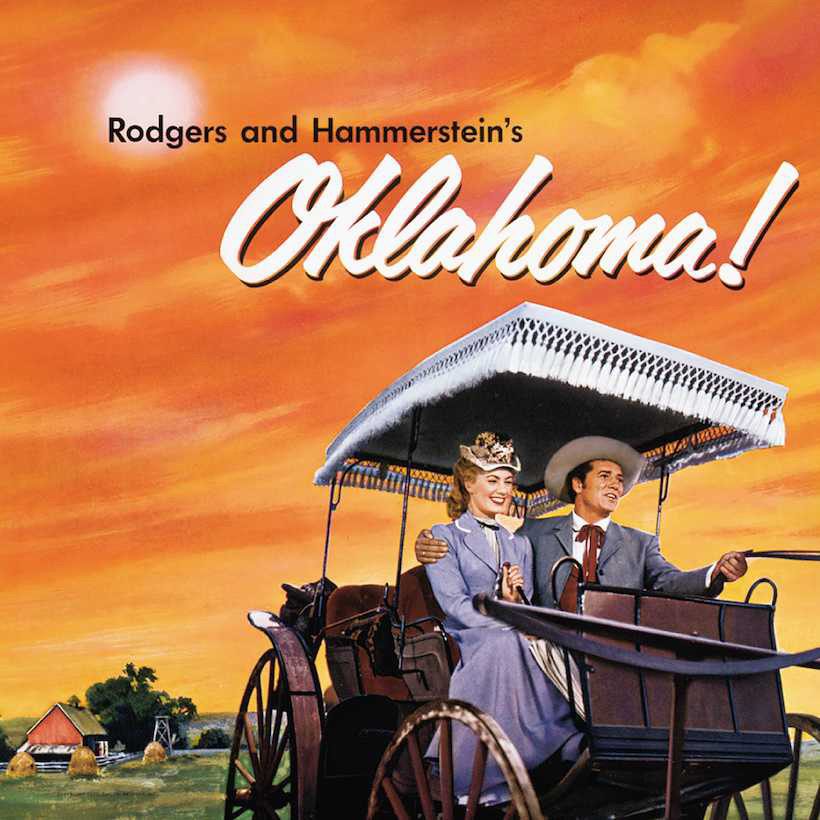
The cultural tapestry of the United States is woven with threads of folklore, expansion, and the delicate dance of human relationships. Perhaps no production captures the quintessence of the American frontier quite like the landmark musical Oklahoma!. Set against the backdrop of the Oklahoma Territory during the turn of the 20th century, the show is far more than a collection of upbeat songs and folk dances. It is a profound exploration of community, territorial pride, and the often-volatile intersection of romance and progress.
The Historical Context of the Frontier Spirit
To understand the narrative core of Oklahoma!, one must first grasp the setting. The musical takes place just before Oklahoma achieved statehood in 1907. This era was defined by the transition from a wild, lawless frontier to a structured society governed by agricultural cooperation and legal frameworks.
The Land Run and Early Settlement
The plot hinges on the aspirations of settlers who participated in the land runs that defined the region’s history. Characters like Curly McLain and Laurey Williams represent the younger generation—those born into the struggle of claiming the land and building a life from the dust of the prairie. The tension between the “cowmen” (ranchers) and the “farmers” (who fenced off land for crops) serves as a thematic microcosm of the larger struggle for order in the American West.
The Quest for Statehood
The impending statehood provides the high stakes of the musical. The desire for a stable, recognized community is a central driving force. It is not merely about finding a mate; it is about establishing a home in a region that is rapidly shedding its “Wild West” reputation in favor of becoming a formal member of the Union. The characters’ anxieties about the future mirror the historical reality of thousands who sought to define their identity within the boundaries of a new state.
The Narrative Arc: Love and Conflict in the Territory
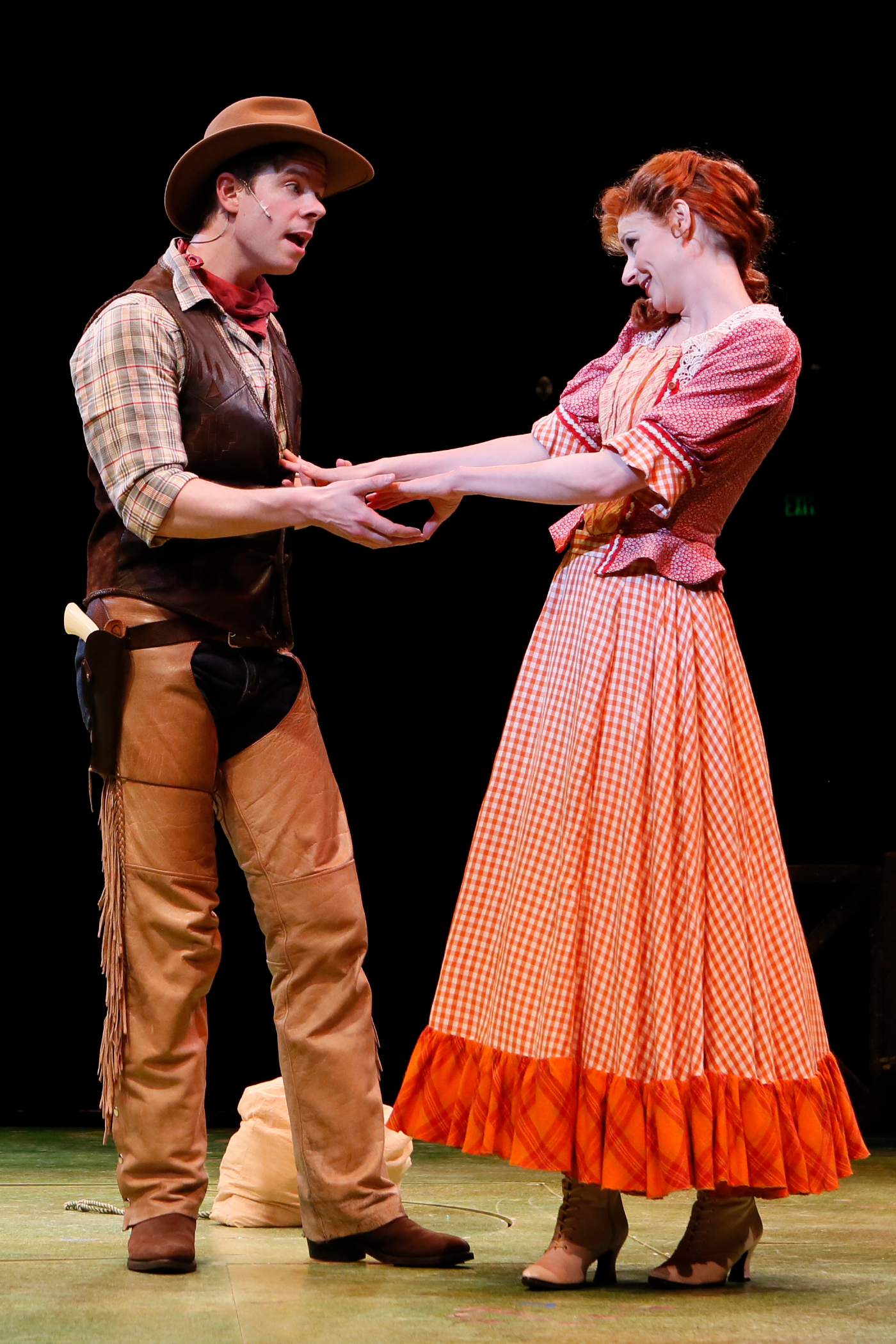
At its heart, the story centers on the courtship between Curly, a confident cowboy, and Laurey, a headstrong farm girl. While their romance provides the standard theatrical tension of “will-they-won’t-they,” the presence of Jud Fry complicates the narrative significantly.
The Archetype of the Outsider
Jud Fry is not a traditional villain; he is a manifestation of the dark, isolated side of the frontier. He represents the man who has been left behind by the march of progress. His obsession with Laurey and his brooding presence create a sense of unease that permeates the otherwise sunny atmosphere of the Oklahoma prairie. Through Jud, the musical examines themes of social alienation and the psychological toll of a life lived in isolation.
The Complexity of Domesticity
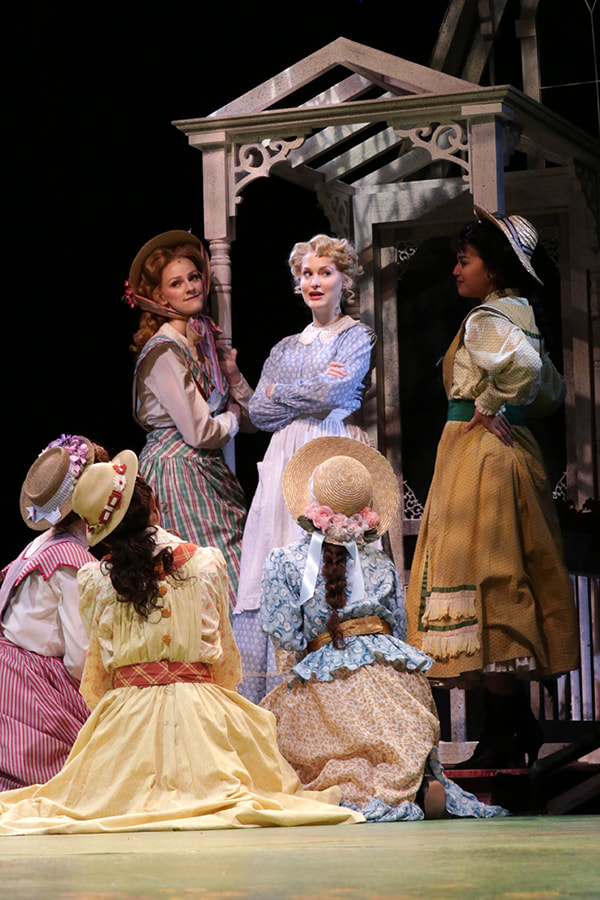
The subplot involving Ado Annie—the girl who “cain’t say no”—and the peddler Ali Hakim provides a comedic, yet insightful, look at changing social norms. Their interactions reflect the shifting landscape of courtship and the emergence of a more modern, albeit confused, approach to marriage and autonomy. As the characters navigate these relationships, they are forced to decide what kind of society they want to build: one based on rigid traditions or one that allows for the complexities of individual desire.
Cultural Symbolism and the American Identity
The enduring popularity of Oklahoma! is largely due to its success in codifying what many consider the “American mythos.” By blending music, dance, and a narrative grounded in the realities of pioneer life, the production creates a vision of America that is both nostalgic and aspirational.
The Choreography of Community
The dream ballet sequence, a hallmark of the show, offers a unique window into Laurey’s subconscious. It externalizes her fears regarding her impending marriage to Curly and her terror of Jud. This artistic choice elevates the show from a simple romantic comedy to a piece of psychological theater. It highlights the internal conflict of early settlers who were often caught between the comforts of domesticity and the untamed, dangerous nature of the land they occupied.
Musicality as a Regional Marker
The score by Rodgers and Hammerstein serves as a sonic representation of the Great Plains. Songs like “Oh, What a Beautiful Mornin'” capture the optimism of the era, while the titular song, “Oklahoma!”, functions as a patriotic anthem for a burgeoning state. These melodies helped define the sound of the American musical theater, grounding abstract feelings of pride and homecoming in the specific, dirt-and-sky geography of the region.
Why the Story Still Resonates Today
Though written in the 1940s, the story remains remarkably relevant for modern audiences. The themes of social belonging, the integration of outsiders, and the struggle to harmonize personal freedom with community expectations are as poignant now as they were a century ago.
Bridging the Past and Present
When audiences engage with the story today, they are invited to reflect on the nature of their own communities. The friction between the ranching culture and the agricultural development in the story mirrors the modern tension between traditional lifestyles and rapid urbanization. By revisiting these roots, the musical prompts a conversation about how a society defines its boundaries—both geographic and moral.
The Resilience of the Frontier Spirit
Ultimately, Oklahoma! is about resilience. It is about a group of people deciding, against the odds, to stand together and forge a new identity. Whether through the lens of a tourist visiting the National Cowboy and Western Heritage Museum or a viewer watching a local stage production, the narrative provides a vital connection to the history of the American landscape. It reminds us that our stories—the ones we tell about our homes, our struggles, and our hopes for the future—are the true bedrock of our civilization.
By understanding what this musical is about, we gain a deeper appreciation for the grit, the song, and the collaborative spirit that transformed a rugged territory into an integral part of the nation. It is a testament to the fact that wherever we build our homes, we are all, in a sense, trying to find our place in the sun of a new frontier.
LifeOutOfTheBox is a participant in the Amazon Services LLC Associates Program, an affiliate advertising program designed to provide a means for sites to earn advertising fees by advertising and linking to Amazon.com. Amazon, the Amazon logo, AmazonSupply, and the AmazonSupply logo are trademarks of Amazon.com, Inc. or its affiliates. As an Amazon Associate we earn affiliate commissions from qualifying purchases.