
When exploring the vast landscapes and rich heritage of the American Great Plains, few states offer as deep a connection to the frontier spirit as Oklahoma. For travelers, historians, and nature enthusiasts, understanding the state’s symbols provides a unique window into its identity. Central to this identity is the official state animal, an icon that represents the rugged endurance of the prairie: the American Bison.
The Bison: An Icon of the American West
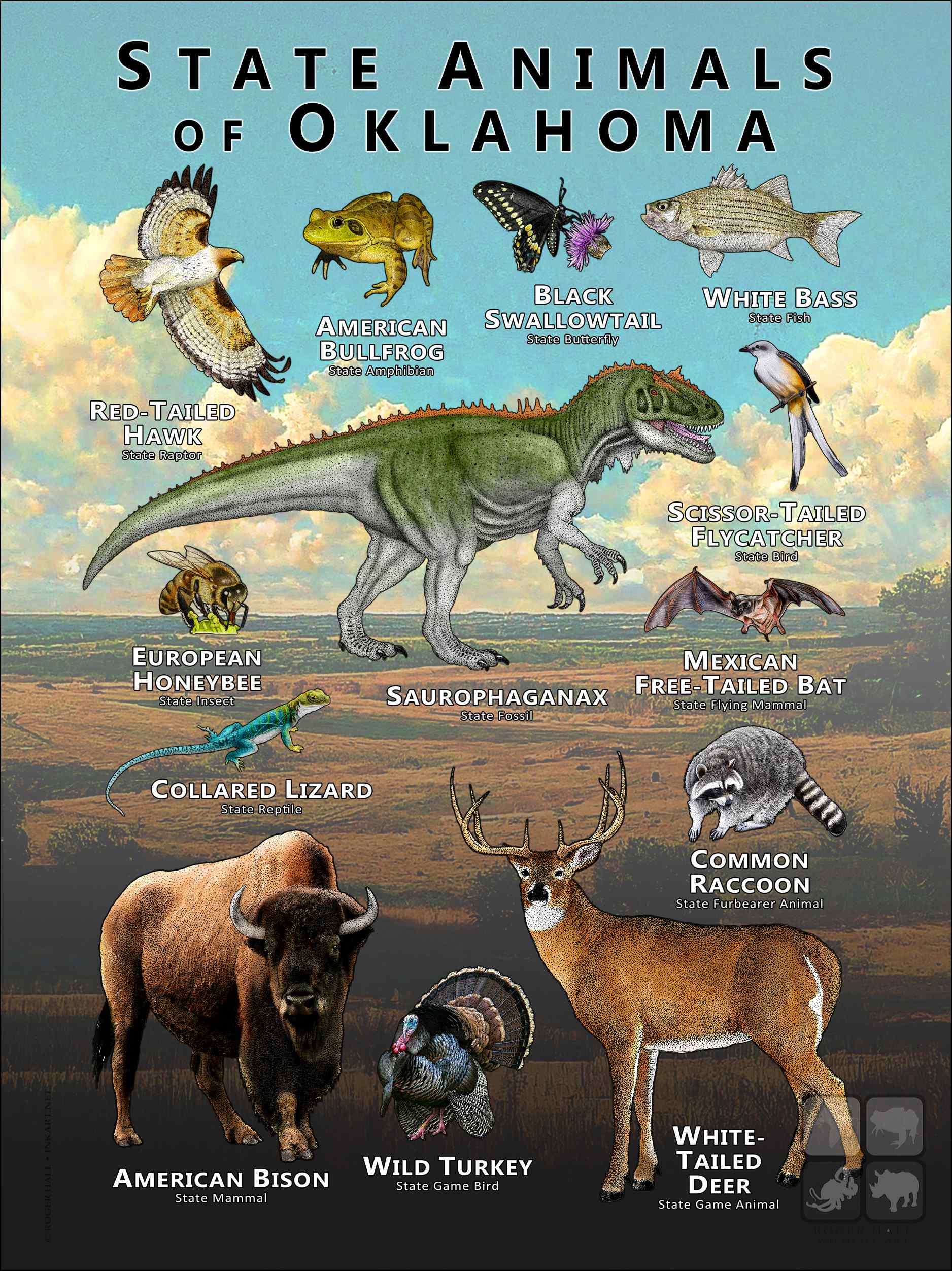
The American Bison, often colloquially referred to as the buffalo, serves as the proud state animal of Oklahoma. This choice is far more than a mere bureaucratic designation; it is a tribute to the animal that historically anchored the survival and culture of the indigenous peoples of the Southern Plains. For visitors exploring the rolling grasslands and protected preserves within the state, seeing a bison in its natural habitat is often the highlight of a trip to the region.
A Legacy of Survival
The history of the bison in Oklahoma is a narrative of near-extinction followed by a remarkable comeback. During the 19th century, the bison population across North America plummeted due to overhunting and habitat loss. The preservation efforts centered in the Southern Plains have played a pivotal role in the species’ resurgence. Today, the bison stands as a living testament to environmental conservation and the importance of protecting the biodiversity that defines the American wilderness.
Biological Significance
Beyond its cultural weight, the bison is a keystone species. Its presence in the tallgrass and shortgrass prairies of Oklahoma influences the ecosystem in profound ways. By grazing on native grasses, bison facilitate the growth of diverse wildflowers and support a range of other native fauna, including birds, insects, and smaller mammals. Understanding this biological role makes a visit to the state’s wildlands an educational endeavor for families and science-minded tourists alike.
Where to Witness the State Animal in Nature
For those traveling through Oklahoma, there are several premier locations where one can observe the state animal in a semi-wild, protected environment. These sites offer more than just a wildlife sighting; they provide a comprehensive look at the history of the region and the efforts to preserve its natural beauty.
The Wichita Mountains Wildlife Refuge
Perhaps the most famous destination for viewing the bison is the Wichita Mountains Wildlife Refuge. Located in the southwestern part of the state near Lawton, this sanctuary is a premier destination for outdoor enthusiasts. Spanning thousands of acres of rugged terrain, the refuge is home to a robust, free-roaming herd of bison.
- Scenic Drives: The winding roads through the refuge offer frequent opportunities to spot herds grazing near the roadside.
- Hiking Opportunities: Visitors can explore trails that wind through granite boulders and prairie vistas, where the likelihood of encountering bison or longhorn cattle is high.
- Educational Centers: The visitor center provides deep insights into how the refuge manages the bison population and the geological history of the Wichita Mountains.
Tallgrass Prairie Preserve
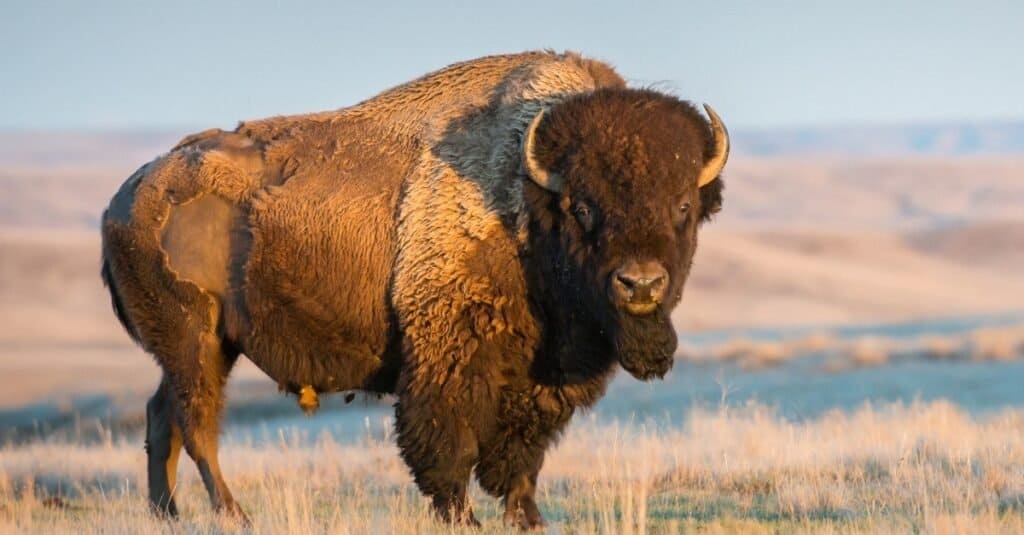
Located in the northern part of the state near Pawhuska, the Tallgrass Prairie Preserve managed by the Nature Conservancy offers a different, but equally breathtaking, experience. As one of the largest protected tallgrass prairies in the world, it provides a glimpse into what the landscape looked like before European settlement. The bison here roam across vast expanses of swaying grasses, offering photographers and nature lovers an authentic, undisturbed view of the prairie as it once was.
Cultural Connections and Local Tourism
The selection of the bison as the state animal has permeated the local culture of Oklahoma. It appears on the official state seal, in local art galleries, and serves as an inspiration for many community festivals. For a tourist, recognizing the bison’s significance adds a layer of depth to the experience of visiting cities like Oklahoma City and Tulsa.
Arts and Representation
Throughout Oklahoma, the bison is a recurring motif in the works of local artists. From bronze sculptures in public squares to paintings hanging in the National Cowboy and Western Heritage Museum, the animal is celebrated as a symbol of strength and resilience. Tourists often find that browsing local art boutiques leads to discovering unique handcrafted items that honor this iconic creature.
Educational Tourism
The state’s commitment to its heritage is evident in the numerous museums and historical sites that explain the bison’s relationship with the indigenous tribes of the area, such as the Osage Nation and the Comanche Nation. Integrating a trip to these cultural centers with a visit to the wildlife refuges creates a well-rounded itinerary that highlights both the natural and social fabric of Oklahoma.
Travel Tips for Your Wildlife Excursion
If you are planning a trip to Oklahoma specifically to see the bison, preparation is key to ensuring a safe and rewarding experience.
Best Times to Visit
While bison can be spotted year-round, spring and autumn are generally considered the best seasons. During the spring, the prairies are vibrant with wildflowers, and newborn bison calves—often called “red dogs” due to their reddish-brown coats—can be seen following their mothers. Autumn offers cooler temperatures, making it a comfortable time for long hikes through the Wichita Mountains Wildlife Refuge or the Tallgrass Prairie Preserve.
Safety and Etiquette
The American Bison may look slow and docile, but it is a powerful and potentially dangerous animal. When visiting these sites, always adhere to the following guidelines:
- Maintain Distance: Always keep at least 100 yards of distance between yourself and the bison. Use binoculars or a telephoto lens for a closer look.
- Stay in Your Vehicle: In areas where driving is permitted, the car acts as a safe viewing blind. Do not exit your vehicle if bison are nearby.
- Respect the Environment: Stick to marked trails to protect the prairie ecosystem and ensure you do not inadvertently disturb the habitat.
- No Feeding: Never attempt to feed or approach the wildlife. This is dangerous for the humans and disruptive to the animals’ natural behaviors.

Why the Bison Defines the Oklahoma Experience
The American Bison is more than just a symbol on a flag or a point of interest for wildlife photographers. It is the living heart of Oklahoma. Its resilience mirrors the spirit of the people who call this state home. By seeking out the bison in its native habitat, travelers gain a better understanding of the Great Plains and the delicate balance required to maintain such an awe-inspiring landscape.
Whether you are traversing the high-altitude vistas of the Wichita Mountains or walking the quiet, grassy trails of Pawhuska, the presence of the bison serves as a reminder of the raw, untamed beauty that remains in North America. A trip to see the state animal is not just an excursion; it is a pilgrimage to the past and a hopeful look at the conservation efforts of the future. By supporting the parks and preserves that protect these herds, travelers are actively contributing to the legacy of one of the world’s most iconic animals. As you plan your next vacation to Oklahoma, make sure to add a bison sighting to your itinerary—it is an encounter that will stay with you long after you have left the prairie.
LifeOutOfTheBox is a participant in the Amazon Services LLC Associates Program, an affiliate advertising program designed to provide a means for sites to earn advertising fees by advertising and linking to Amazon.com. Amazon, the Amazon logo, AmazonSupply, and the AmazonSupply logo are trademarks of Amazon.com, Inc. or its affiliates. As an Amazon Associate we earn affiliate commissions from qualifying purchases.