
When exploring the diverse botanical landscapes of the United States, few symbols carry as much historical and ecological weight as the official state tree of Oklahoma. Nestled in the heart of the Great Plains, this state boasts a rugged beauty defined by sweeping prairies, sandstone bluffs, and dense woodlands. Among its natural treasures, the Eastern Redbud stands as a testament to the resilience and vibrant spirit of the region.
The Eastern Redbud: A Botanical Icon
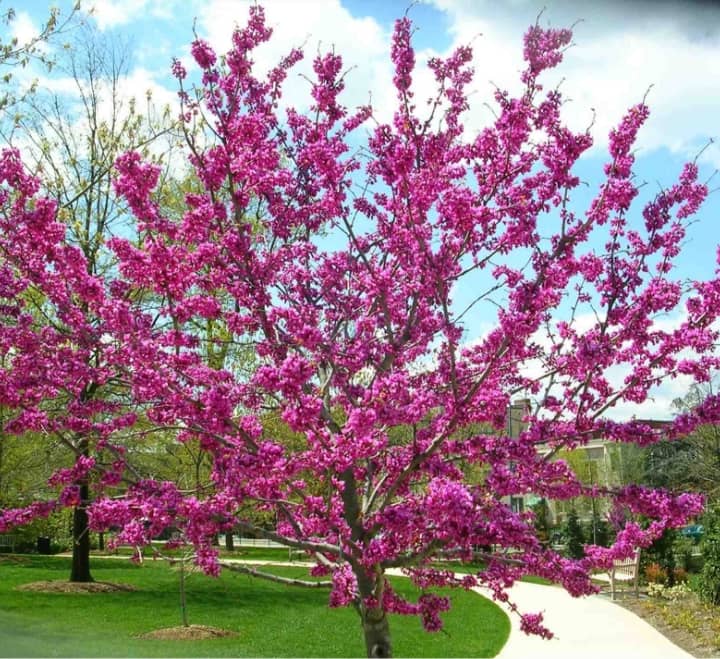
The Eastern Redbud (Cercis canadensis) was officially designated as the state tree of Oklahoma in 1937. It is not merely a piece of legislation; it is a beloved fixture of the Oklahoma landscape that signals the arrival of spring with a spectacular display of color.
Characteristics and Appearance
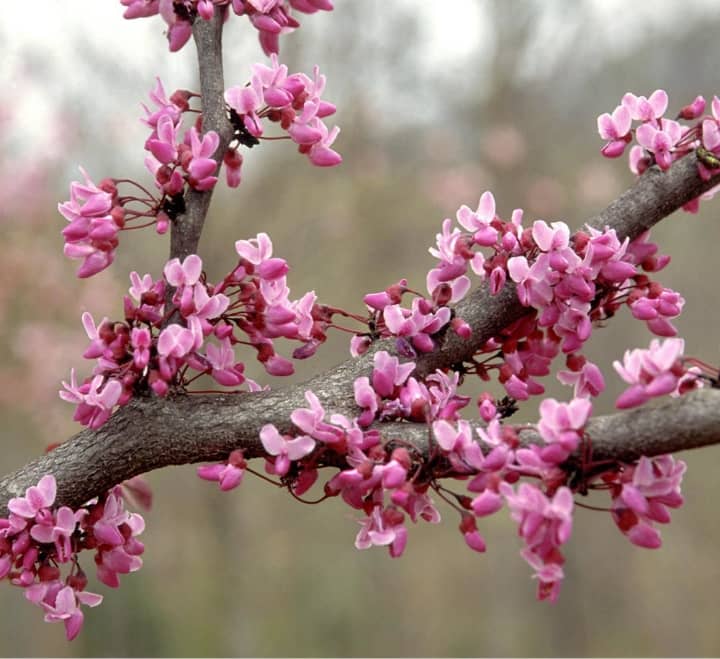
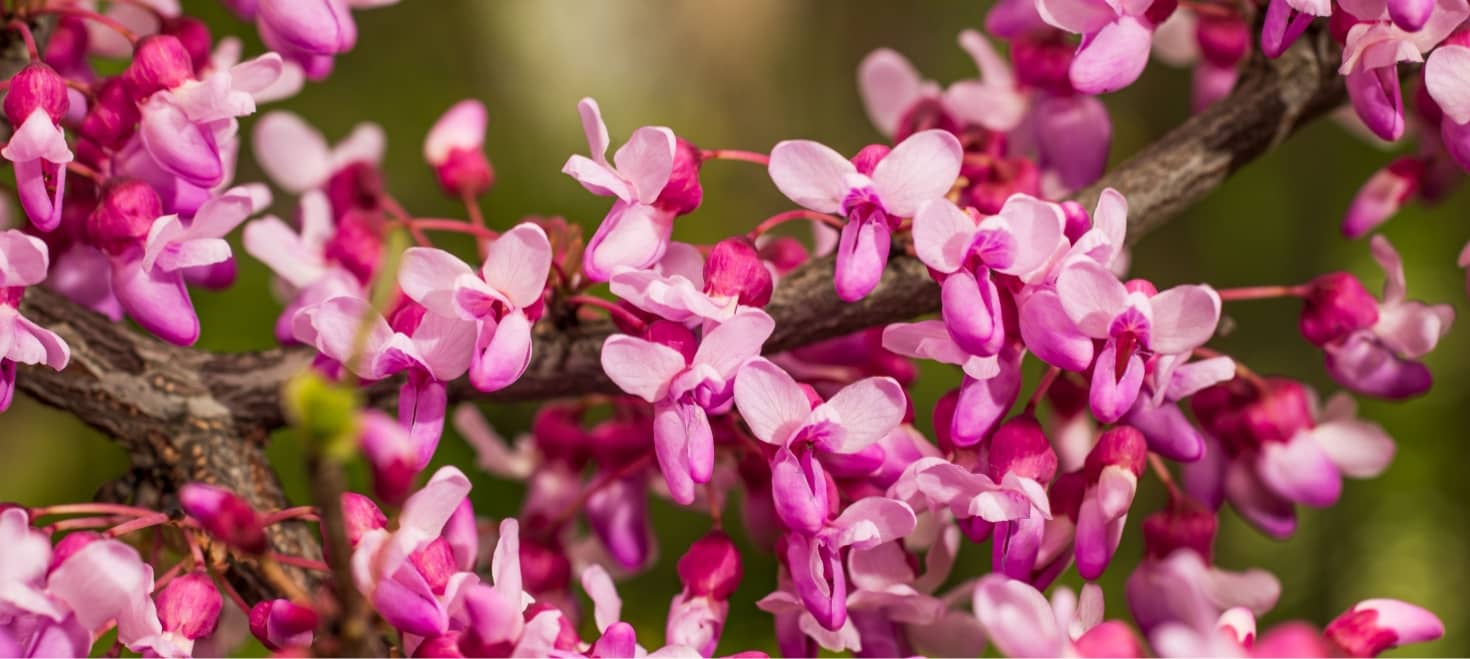
The Eastern Redbud is a small-to-medium-sized deciduous tree known for its striking pinkish-purple blossoms. Unlike many other trees that bloom after leafing out, the Redbud produces flowers directly on its branches and trunk in early spring, often before the heart-shaped leaves appear. This “cauliflory” creates a brilliant, cloud-like effect that transforms the forests and gardens of Oklahoma City and Tulsa into canvases of magenta and violet.
In the summer, the tree transitions to a lush, dark green canopy, offering much-needed shade in the humid plains. By autumn, the foliage turns a soft, pale yellow, providing a subtle contrast to the fiery oranges and reds of neighboring oaks and maples.
Cultural and Historical Significance
The choice of the Eastern Redbud reflects the state’s deep connection to its natural environment. During the early 20th century, as the state sought to define its identity through official emblems, the Redbud was a natural candidate. It is indigenous to the region, growing wild along the bluffs of the Ouachita Mountains and the Ozark Plateau. For many Oklahomans, the sight of the Redbud in bloom is a nostalgic reminder of the seasonal cycles that have shaped the lives of those who inhabit these lands.
Exploring Oklahoma’s Natural Heritage
Beyond the status of the state tree, the natural beauty of Oklahoma is a major draw for visitors who appreciate the wonders of the American landscape. The state offers a unique intersection of Eastern forests and Western prairies, creating a biological crossroads of immense value.
Landmarks and Botanical Sanctuaries
For travelers interested in observing the Eastern Redbud in its natural habitat, several locations offer exceptional experiences. The Wichita Mountains Wildlife Refuge provides an opportunity to see these trees nestled among ancient granite peaks. The stark contrast between the pink blooms and the weathered, ancient stone creates a landscape that feels almost prehistoric.
Additionally, the Tulsa Botanic Garden offers a more curated experience, where visitors can study the cultivar variations of the Redbud while enjoying a stroll through meticulously maintained landscapes. These areas are crucial for preserving the biodiversity of the state and provide an educational look at why the Redbud was selected to represent the state’s botanical identity.
Seasonal Travel and Timing
Timing your visit to see the Eastern Redbud is essential. Because the blooms are early-season arrivals, the prime viewing window typically occurs between late March and mid-April, depending on the severity of the winter. Travelers heading to the Arbuckle Mountains will find that the varied elevation creates a staggered blooming period, allowing for extended opportunities to witness the spectacle throughout the spring season.
The Role of Native Trees in Local Ecology
The Eastern Redbud does more than look beautiful; it serves as a cornerstone of the local ecosystem. Understanding its role provides a deeper appreciation for why state landmarks often feature native species that support local wildlife.
Supporting Biodiversity
The Redbud is a critical early-season nectar source for bees, butterflies, and other pollinators. As the winter frost recedes, the tree provides the necessary resources for pollinators to begin their seasonal work. This support system is vital for the health of Oklahoma’s agricultural sector and the stability of its wild plant populations.
Furthermore, the seeds produced by the tree—housed in flat, legume-like pods—are a food source for various birds, including the Northern Cardinal and various finches. By preserving these trees, the state actively participates in the maintenance of healthy bird and insect populations across the Great Plains.
Conservation and Stewardship
Conservation efforts across Oklahoma emphasize the importance of planting native species over non-native alternatives. Land managers and homeowners are encouraged to include the Eastern Redbud in their landscaping projects to support local pollinators and maintain the aesthetic character of the region. By fostering a connection between the public and their state tree, educational initiatives help ensure that the Redbud remains a vibrant part of the environment for generations to come.
Traveling to Experience the State’s Natural Icons
For the intrepid traveler, Oklahoma offers much more than just a passing glance at its state tree. It is a state defined by its parks, its indigenous history, and its expansive, wild spaces.
Integrating Nature into Your Itinerary
When planning a trip to explore the natural heritage of the state, consider a route that spans from the lush forests of the southeast to the rolling hills of the north. Stopping at the Chickasaw National Recreation Area allows for an immersion into the type of terrain where the Eastern Redbud thrives. Whether you are interested in hiking, photography, or simply taking in the breathtaking views, Oklahoma provides a diverse range of experiences for the nature enthusiast.
The Importance of Preserving Botanical Heritage
State symbols are more than just items for trivia; they are reflections of a region’s history, soul, and future. The Eastern Redbud captures the essence of Oklahoma—resilient, colorful, and deeply rooted in the landscape. By visiting these areas and learning about the trees that define them, travelers contribute to the ongoing appreciation and protection of these vital natural assets.
Whether you find yourself in the bustling urban center of Oklahoma City or exploring the quiet, secluded trails of the Ozark Plateau, the Eastern Redbud serves as a constant companion. It reminds us that even in a rapidly changing world, the simple beauty of a native tree remains one of the most enduring symbols of our natural heritage. As you navigate the winding roads of this beautiful state, keep an eye out for the unmistakable pink blossoms that define the spirit of the Sooner State. From the high ridges of the Wichita Mountains to the lush river valleys, the Eastern Redbud stands as a proud, living monument to the enduring beauty of Oklahoma.
LifeOutOfTheBox is a participant in the Amazon Services LLC Associates Program, an affiliate advertising program designed to provide a means for sites to earn advertising fees by advertising and linking to Amazon.com. Amazon, the Amazon logo, AmazonSupply, and the AmazonSupply logo are trademarks of Amazon.com, Inc. or its affiliates. As an Amazon Associate we earn affiliate commissions from qualifying purchases.